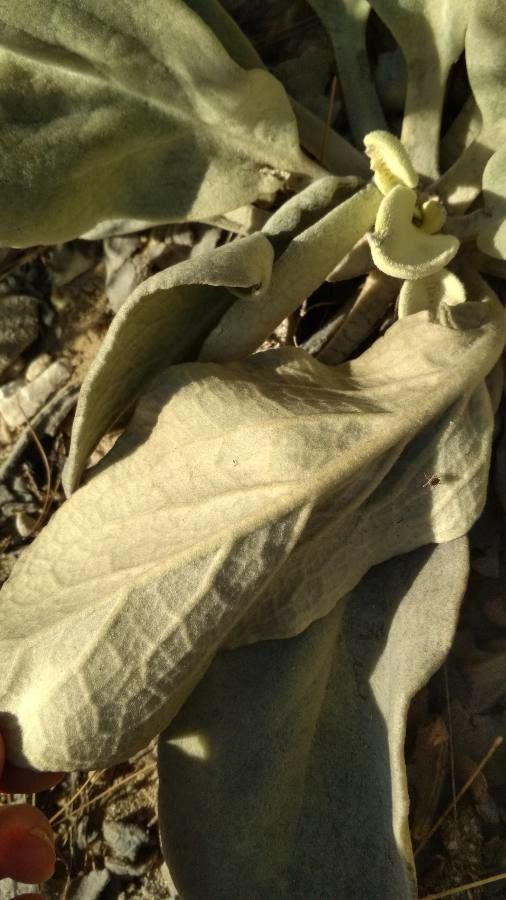
Oh, Verbascum nevadense! Isn’t it a stunner? Those tall, elegant spires of bloom are just show-stopping in the garden, aren’t they? And the best part? You can easily multiply this beauty yourself. I’ve been coaxing new Verbascum plants into existence for years, and it’s such a rewarding feeling to see them thrive. While not the absolute easiest plant for a brand new beginner, I think with a little guidance, anyone can have success.
The Best Time to Start
For Verbascum nevadense, I find the sweet spot for propagation, especially from cuttings, is late spring to early summer. This is when the plant is actively growing and has plenty of healthy, new shoots to work with. You want those stems to be about 4-6 inches long, firm but not woody. Starting at this time gives your new cuttings ample growing season to establish themselves before cooler weather arrives.
Supplies You’ll Need
Here’s what I always have on hand when I’m ready to get propagating:
- Sharp pruning shears or a clean knife: For making clean cuts.
- Rooting hormone powder or gel (optional but recommended): This really gives cuttings a boost.
- Small pots or seed trays: With drainage holes, of course!
- A good quality potting mix: I like a blend of peat moss, perlite, and a little bit of compost. This drains well but still holds some moisture. A succulent or cactus mix works well too for sharp drainage.
- Plastic bags or a propagator lid: To create a humid environment.
- Watering can with a fine rose spray: For gentle watering.
Propagation Methods
My go-to method for Verbascum nevadense is stem cuttings. It’s reliable and gives me a great success rate.
- Take Your Cuttings: Using your sharp shears or knife, take 4-6 inch cuttings from healthy, non-flowering shoots. Make your cut just below a leaf node (where a leaf attaches to the stem). Remove the lower leaves from the cutting, leaving just the top few.
- Apply Rooting Hormone: If you’re using rooting hormone, dip the cut end of the stem into the powder or gel. Tap off any excess.
- Plant Your Cuttings: Fill your pots or trays with your prepared potting mix. Make a small hole in the center with your finger or a pencil. Gently insert the cut end of the Verbascum cutting into the hole, ensuring it’s firm in the soil.
- Provide Humidity: Water the mix gently, then cover the pots with plastic bags or place them in a propagator. This keeps the moisture in and the humidity high, which is crucial for cuttings to form roots before they dry out.
- Place in Bright, Indirect Light: Find a warm spot out of direct sunlight. A windowsill that doesn’t get baked by the afternoon sun is perfect.
The “Secret Sauce”
Here are a couple of little tricks I’ve learned over the years that really make a difference:
- Don’t Crowd Your Cuttings: Give each cutting a bit of space in the pot. Overcrowding can lead to fungal issues and competition. I usually plant just one or two per small pot.
- Bottom Heat is Your Friend: If you have a heated propagator or a seedling heat mat, using it can dramatically speed up root formation. Verbascum roots are often quite happy with a little extra warmth from below.
Aftercare & Troubleshooting
Once your Verbascum cuttings have been in their humid environment for a few weeks, you can start to check for roots. Gently tug on a cutting – if you feel resistance, it’s a good sign!
- Acclimatize Gradually: When roots have formed, slowly begin to remove the plastic bag or propagator lid for short periods each day. This helps the new plant adjust to normal humidity levels.
- Watering: Keep the soil consistently moist but not sodden. Overwatering is the quickest way to invite trouble.
- Watch for Rot: The most common sign of failure is rot. If your cuttings start to turn mushy or black at the base, it’s usually a sign of too much moisture and not enough airflow. Don’t be discouraged; just start fresh with a new cutting.
A Little Encouragement
Propagating plants is a journey, and sometimes there are a few bumps along the way. Be patient with your Verbascum nevadense cuttings. The process takes time, but the reward of seeing those tiny root systems develop and then growing into magnificent plants is simply wonderful. Happy propagating!
Resource:
https://identify.plantnet.org/k-world-flora/species/Verbascum%20nevadense%20Boiss./data