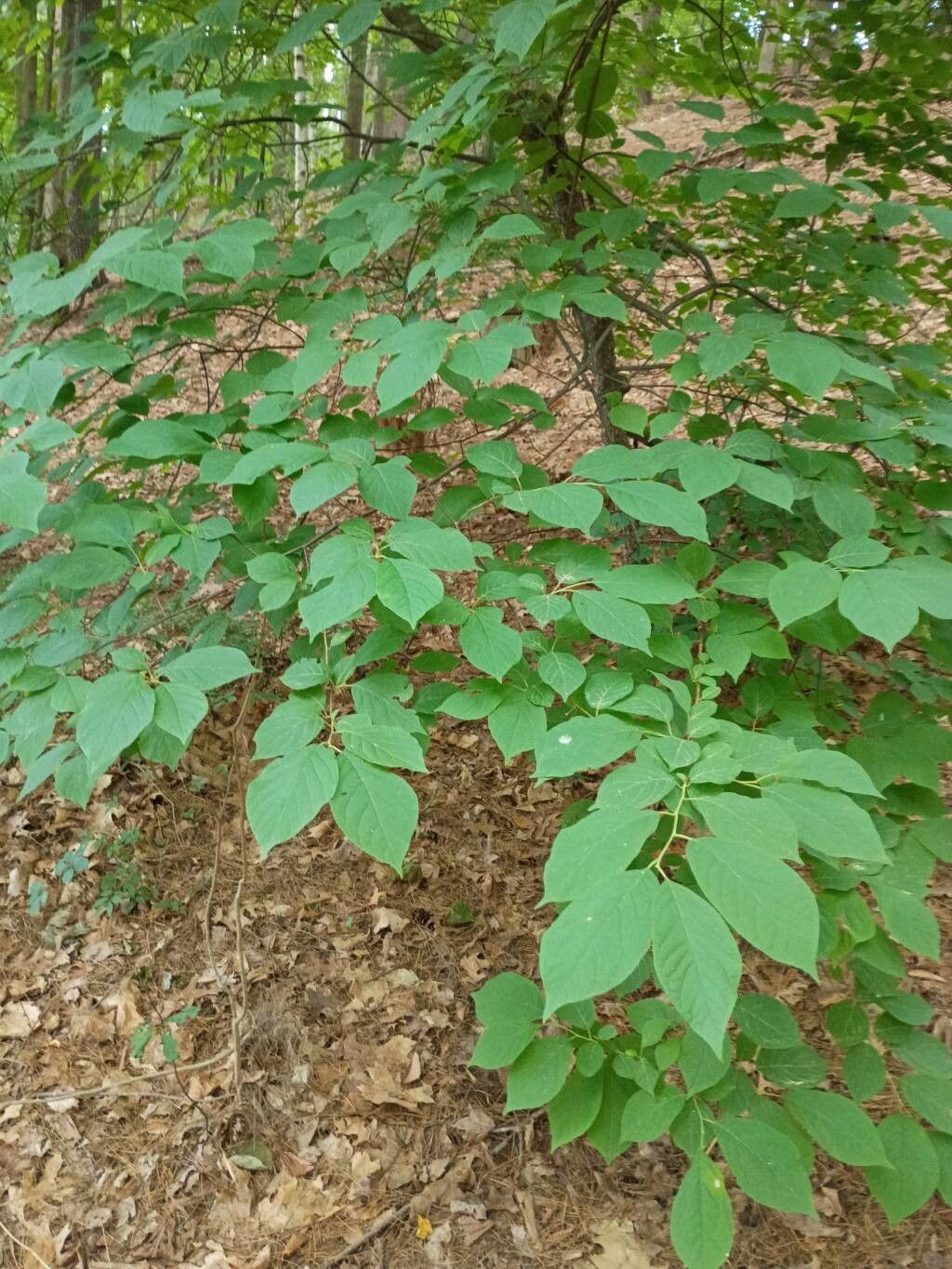
Oh, hello there! So glad you stopped by. Today, we’re diving into a real gem of the garden – Styrax grandifolius, or Bigleaf Snowbell. If you haven’t met this beauty yet, imagine delicate, bell-shaped white flowers cascading from graceful branches, often with a sweet, subtle fragrance. It’s a plant that whispers elegance rather than shouting it. And the best part? You can coax new plants into existence from your existing ones. Propagating it is a wonderfully rewarding endeavor, a chance to share this subtle magic with friends or simply expand your own little piece of paradise. Now, truthfully, while not tricky, Styrax grandifolius isn’t exactly a “stick it in the ground and forget it” kind of plant for propagation. It requires a touch of care and understanding, but with a few pointers, you’ll be well on your way to success!
The Best Time to Start
When it comes to getting your Styrax grandifolius to take root, timing is everything. I find the late spring to early summer is truly your sweet spot. This is when the plant is actively growing, pushing out new, yet still somewhat soft, stems. These semi-hardwood cuttings – not too woody, not too soft – have the best chance of forming roots. Avoid trying this too early in the spring when growth is just waking up, or too late in the summer when the stems are hardening off too much.
Supplies You’ll Need
Before you get your hands dirty, let’s gather our tools. Having everything ready makes the process so much smoother.
- Sharp Pruning Shears or a Clean Knife: For making clean cuts. Dull tools can damage the plant and increase the risk of disease.
- Rooting Hormone (Powder or Gel): This isn’t strictly mandatory, but it gives your cuttings a significant boost in rooting success. I personally prefer a gel.
- Potting Mix: A light, well-draining mix is crucial. I like a blend of equal parts peat moss or coco coir and perlite or coarse horticultural sand. You can also buy a good quality seed-starting mix.
- Small Pots or Trays: Clean pots with drainage holes are a must. Small peat pots or even repurposed yogurt cups (with holes poked in the bottom) will work.
- Plastic Bags or a Humidity Dome: To create a humid microclimate around your cuttings.
- Watering Can or Spray Bottle: For gentle watering.
- Labeling Stakes and a Permanent Marker: So you don’t forget what you planted where!
Propagation Methods
While Styrax grandifolius can be grown from seed, it’s a much slower and less predictable process. For getting a plant that’s true to the parent and quicker results, stem cuttings are my go-to method.
Stem Cuttings:
- Select Your Cuttings: In late spring or early summer, look for healthy, vigorous stems that are about pencil-thick and have started to firm up but are still flexible. You want to take cuttings that are around 4 to 6 inches long. Gently bend a shoot – if it snaps cleanly, it’s usually a good candidate.
- Make the Cut: Using your clean shears or knife, take your cutting just below a leaf node. This is the point where a leaf attaches to the stem, and it’s where a lot of the magic happens.
- Prepare the Cutting: Carefully remove the lower leaves from the cutting, leaving just a few at the top. This reduces water loss. If you’re using rooting hormone, dip the cut end into the powder or gel, tapping off any excess.
- Plant Your Cuttings: Make a hole in your prepared potting mix (this prevents the rooting hormone from rubbing off). Insert the cutting into the hole, ensuring the bottom leaf nodes are buried. Gently firm the soil around the base of the cutting.
- Create Humidity: Water the soil gently until it’s moist but not soggy. Then, cover the pot with a plastic bag or place it under a humidity dome. Make sure the leaves aren’t touching the sides of the bag, as this can encourage rot. You can use chopsticks or wires to prop up the bag if needed. Place the pot in a bright location that receives indirect light. Avoid direct sun, which can scorch the delicate cuttings.
The “Secret Sauce” (Pro Tips)
Here are a couple of little tricks I’ve learned over the years that can really give your Styrax cuttings the edge:
- Bottom Heat is Your Friend: If you have the setup, placing your pots on a seedling heat mat can make a world of difference. This gently warms the soil, encouraging root development from below while the top stays cooler. It mimics the natural conditions where roots want to grow.
- Don’t Disturb Too Soon! Resist the urge to yank on your cuttings to see if they have roots. Patience is a gardener’s greatest virtue here. It can take several weeks, sometimes even a couple of months, for roots to establish. If you’re unsure, a gentle tug is usually enough to feel resistance. If it wiggles easily, it’s not ready. Sometimes, you’ll see tiny new leaf buds appearing – that’s a good sign that roots are forming too.
Aftercare & Troubleshooting
Once you feel those roots have developed – and you’ll know it when you give a gentle tug and feel resistance – it’s time for a little more attention.
- Gradual Acclimation: Before you fully remove the humidity cover, gradually open the bag for increasing periods each day over a week. This helps the new plant adjust to normal humidity levels.
- Potting Up: Once the cutting is well-rooted, you can carefully pot it up into a slightly larger pot with good quality potting soil. Continue to keep it in bright, indirect light and water consistently.
- Watch for Rot: The most common problem you’ll encounter is rot. If your cutting turns mushy, black, or smells foul, it’s likely succumbed to rot. This is usually due to overwatering, poor drainage, or insufficient air circulation. It’s a good reminder to ensure your mix is well-draining and to be judicious with your watering, especially in the early stages. Don’t be disheartened if a few don’t make it; it happens to all of us!
A Encouraging Closing
Propagating Styrax grandifolius is a journey, and like any good garden adventure, it’s about the learning and the slow unfolding of nature’s wonders. Be patient with your cuttings, offer them consistent care, and celebrate each tiny success. Soon, you’ll have the joy of watching these beautiful new plants establish themselves, carrying a piece of your garden’s story forward. Happy propagating!
Resource:
https://identify.plantnet.org/k-world-flora/species/Styrax%20grandifolius%20Aiton/data