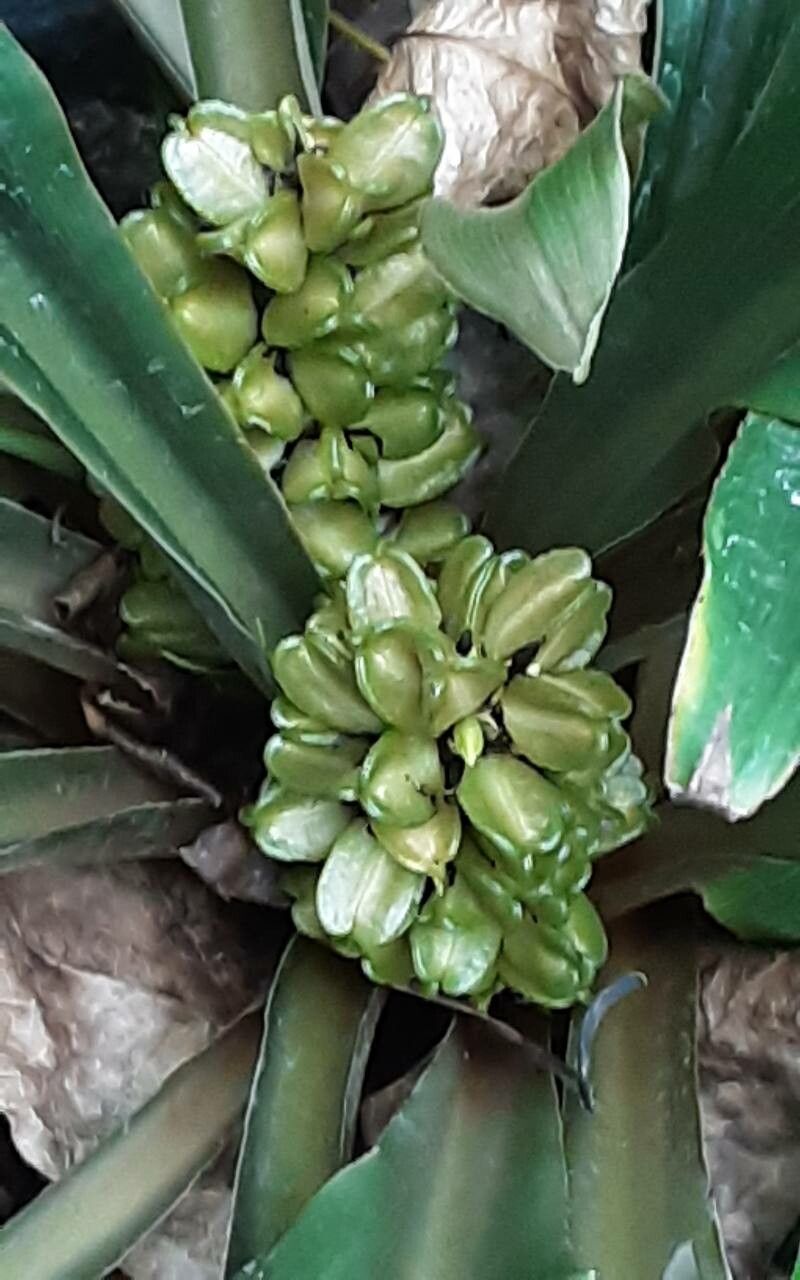
Hey there, fellow plant lovers! I’m so excited to chat with you today about a plant that’s been a quiet darling in my own collection for years: Chlorophytum madagascariense. You might know its more famous cousin, the Spider Plant (Chlorophytum comosum), but this one has a unique charm all its own. Think of lush, arching leaves, often with a subtle variegation, and a wonderfully graceful presence.
Propagating Chlorophytum madagascariense is one of those simple joys that makes you feel like you’ve unlocked a little plant magic. And the best part? It’s remarkably easy, even for those of you just dipping your toes into the world of plant propagation. You’ll be rewarded with new baby plants to share or to fill your own space with more greenery in no time!
The Best Time to Start
When it comes to getting the best results, spring and early summer are your golden ticket with Chlorophytum madagascariense. This is when the plant is in its active growing phase. You’ll notice new growth is vigorous, and the plant has plenty of energy to put into creating new life. Waiting until after your plant has finished its peak bloom or active leaf production is also a good bet.
Supplies You’ll Need
Before you get your hands dirty, let’s gather our tools. It’s not much, but having everything ready makes the process so much smoother:
- Sharp pruning shears or a clean knife: For making clean cuts.
- Small pots or seed trays: Whatever you have that’s a good size for young plants.
- Well-draining potting mix: A standard houseplant mix with added perlite or bark works beautifully.
- Perlite or coarse sand: To improve drainage.
- (Optional) Rooting hormone: While Chlorophytum madagascariense is pretty forgiving, it can give an extra boost.
- Watering can with a fine rose: For gentle watering.
Propagation Methods
There are a couple of straightforward ways to multiply your Chlorophytum madagascariense. I usually lean towards the easiest, and for this plant, that’s division.
Division is Key
This is hands-down my favorite method for Chlorophytum madagascariense. It’s like giving your plant a haircut and getting new plants as a bonus!
- Gently remove the plant from its pot. If it’s root-bound, you might need to gently squeeze the pot or run a knife around the edge.
- Inspect the root ball. You’re looking for distinct clumps or sections of the plant that have their own roots. Sometimes you can even see where one plant ends and another begins.
- Carefully separate the clumps. You can do this with your hands, teasing the roots apart. If it’s a bit stubborn, use your clean pruning shears or knife to cut through the root ball into smaller sections. Make sure each piece has a good amount of roots attached.
- Pot up your new divisions. Use your well-draining potting mix in small pots. Plant each division so the crown (where the leaves emerge from the roots) is at soil level.
- Water gently. Give them a good drink initially, and then water whenever the top inch of soil feels dry.
The “Secret Sauce” (Pro Tips)
You’ve got the basics down, but here are a few little tricks I’ve learned over the years that can make a big difference:
- Don’t overwater newly divided plants. They’re a bit sensitive while they establish new roots. Let the soil dry out slightly between waterings. It’s better to err on the dry side than to invite root rot.
- Use bottom heat if you can. While not strictly necessary for this plant, placing your pots on a gentle heat mat (like those used for seed starting) can significantly speed up root development, especially if your home tends to be on the cooler side. Just a gentle warmth is all it needs.
- Give them a bit of shade. Once you’ve divided and repotted, place your new plants in bright, indirect light. Direct sunlight can be too harsh for these young, vulnerable roots.
Aftercare & Troubleshooting
Once your divisions start to show new leaf growth, you know strong roots are developing underneath! Continue to water as you would your mature plant, ensuring good drainage. Watch out for signs of trouble. The most common issue you might encounter is rot, which usually stems from overwatering. If the leaves start to look mushy and yellow, or the base of the plant feels soft, it’s likely too much moisture. In this case, you may need to carefully remove the affected parts and let the soil dry out completely before watering again, or even repot in drier soil.
See? Isn’t that wonderfully straightforward? Propagating Chlorophytum madagascariense is a delightful way to expand your plant family. Be patient, enjoy the process, and celebrate every new little leaf that unfurls! Happy planting!
Resource:
https://identify.plantnet.org/k-world-flora/species/Chlorophytum%20madagascariense%20Baker/data