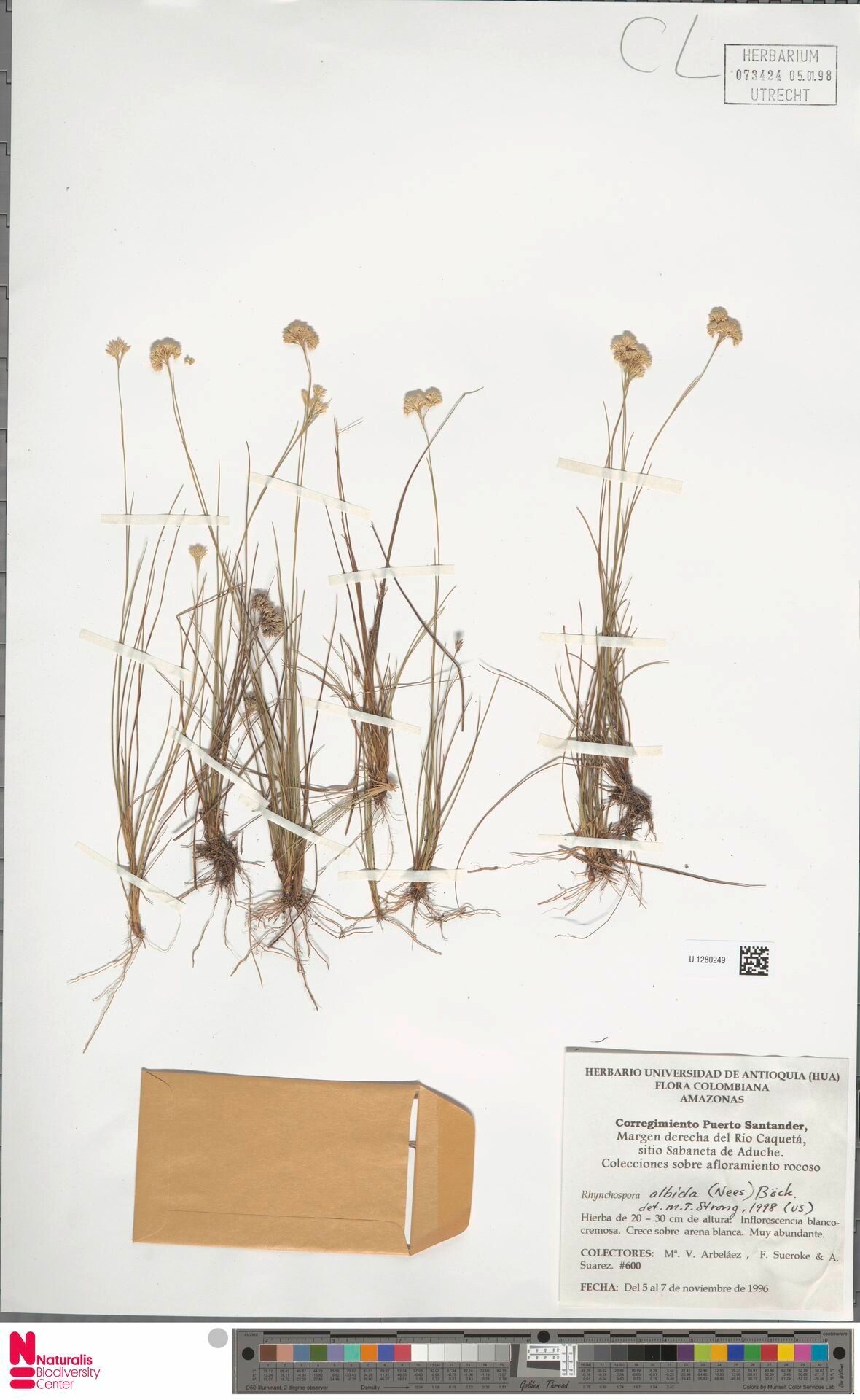
Hey there, fellow garden lovers! It’s your friend here, ready to chat about a truly special plant – Rhynchospora albida. You might know it by its common name, White Beak-sedge. It’s this elegant, grass-like beauty with delicate white flowering spikes that dance in the breeze. Honestly, it adds such a touch of refined wildness to any garden, especially to those damp, boggy spots where not much else thrives.
There’s something incredibly satisfying about creating new life from a single cutting or division. It’s like magic, and with Rhynchospora albida, it’s a magic you can absolutely achieve. Now, is it a beginner’s plant? I’d say it’s a mild challenge, but with a little know-how, even those of you just starting your gardening journey can have success. I’m excited to walk you through it!
The Best Time to Start
When it comes to coaxing Rhynchospora albida into making babies, spring is your golden ticket. This is when the plant is actively growing and has the most energy reserves to put into rooting. I like to get started just as new shoots are emerging, usually after the last frost has safely passed. You can also have some success in early summer if you catch the plant at a vigorous growth stage.
Supplies You’ll Need
Gathering your tools beforehand makes the whole process smoother. Here’s what I recommend:
- Sharp Pruning Shears or a Clean Knife: For making clean cuts.
- Well-Draining Potting Mix: A mix of peat moss, perlite, and a bit of coarse sand works wonders for these guys. They like moisture, but not stagnant water.
- Small Pots or Trays: Clean, with drainage holes, of course!
- Optional: Rooting Hormone: While not strictly necessary for Rhynchospora albida, it can give you a helpful boost, especially if you’re aiming for faster results. Look for a powder or gel designed for cuttings.
- Watering Can or Spray Bottle: For gentle hydration.
- A Clear Plastic Bag or Dome: To create a mini-greenhouse effect.
Propagation Methods
Let’s get our hands dirty! For Rhynchospora albida, I find two methods work best: division and stem cuttings.
Division (My Go-To for Established Plants)
This is wonderful for mature plants. It’s like giving your Rhynchospora albida a haircut and getting a brand new plant out of it!
- Gently remove the entire plant from its pot or carefully dig around it in the garden.
- Inspect the root ball. You’re looking for distinct clumps or sections that have their own root system and emerging shoots.
- Using your sharp pruning shears or even your hands (if the roots are loose), carefully separate a clump. Make sure each division has some healthy roots and at least a few shoots. Try not to tear the roots too much.
- Pot up each division into its own clean pot filled with your well-draining mix.
- Water thoroughly but gently.
- Place the pots in a bright, indirect light location.
Stem Cuttings (For More Plants!)
This method is great when you want to expand your collection or if you have a particularly vigorous specimen.
- Using your clean shears, take a cutting about 4-6 inches long from a healthy, non-flowering stem. Make the cut just below a leaf node (where a leaf attaches to the stem).
- Remove the lower leaves from the cutting, leaving just a couple at the very top. This prevents them from rotting when buried.
- If you’re using rooting hormone, dip the cut end into it, tapping off any excess.
- Gently insert the cut end about an inch deep into your prepared potting mix.
- Mist the cutting and the soil lightly.
- Cover the pot loosely with a clear plastic bag or a propagator lid to maintain humidity. This is crucial!
- Place the pot in a warm spot with bright, indirect light. Avoid direct sun, which can scorch the tender cutting.
The “Secret Sauce” (Pro Tips)
Here are a few little tricks I’ve learned over the years that can really make a difference:
- Don’t Drown Your Cuttings: While Rhynchospora albida loves moisture, sitting in waterlogged soil is a fast-track to rot. Ensure good drainage and water when the top inch of soil feels dry. For stem cuttings, I like to make sure no leaves are touching the water if I were to try water propagation (though soil is generally better for this plant).
- Bottom Heat is Your Friend: Especially for stem cuttings, placing your pots on a propagator mat or gentle heat source can significantly speed up root formation. It mimics the warmth of spring soil.
- Be Patient with Divisions: Sometimes, divisions can look a bit sad for a week or two. Don’t panic! As long as the roots aren’t mushy and there’s no sign of mold, give them time. They’re just settling into their new digs.
Aftercare & Troubleshooting
Once you see signs of new growth, that’s your cue! For divisions, keep them consistently moist but not soggy. For cuttings, once you see new shoots emerging from the top, it’s a strong indicator that roots have formed. You can gently tug on the cutting – if there’s resistance, roots are there!
- Gradual Acclimatization: When new growth is evident, gradually reduce the humidity by poking holes in your plastic bag or removing the dome for longer periods each day. This helps the new plant adjust to normal room conditions.
- First Fertilization: Wait until your new plant has developed a decent amount of healthy foliage before offering it a very diluted liquid fertilizer. Less is more here.
- Watch for Rot: The biggest enemy of new propagations is rot. If you see yellowing leaves that quickly turn black and mushy, or if the stem at the soil line becomes soft and dark, it’s likely rot. This often happens due to overwatering or poor air circulation. If you catch it early, you might be able to save a healthy part, but often it’s a loss. Ensure you’re using good drainage and not letting pots sit in saucers full of water for too long.
A Little Encouragement
Propagating Rhynchospora albida is a journey, and like any good gardening adventure, it requires a bit of patience. Don’t be discouraged if your first attempt isn’t perfect. Every gardener has had failures – it’s part of the learning process! Just keep trying, observe your plants, and most importantly, enjoy the wonder of nurturing new life into existence. Happy growing!
Resource:
https://identify.plantnet.org/k-world-flora/species/Rhynchospora%20albida%20(Nees)%20Boeckeler/data