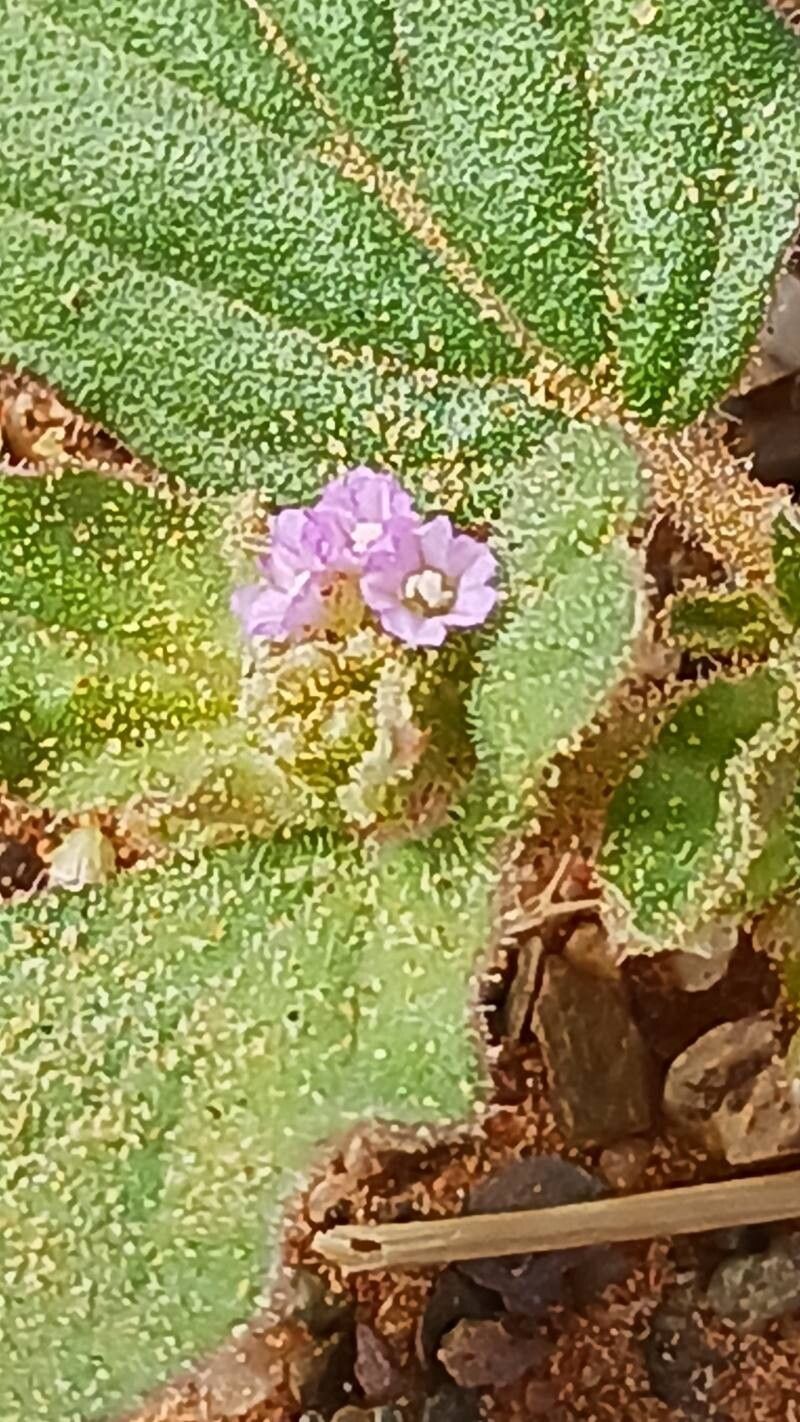
Hello there, fellow plant enthusiasts! It’s so lovely to share a moment with you. Today, we’re diving into the wonderful world of propagating Boerhavia repens. Now, if you haven’t met this little gem yet, you’re in for a treat. It’s a fascinating plant, often loved for its unique groundcover habit and its subtle, understated charm. Watching a tiny sliver of a plant grow into a thriving specimen is one of life’s simple, yet profound, joys. As for beginners, I’d say propagating Boerhavia repens is moderately easy. It’s not quite as foolproof as a spider plant, but with a little attention, you’ll find great success.
The Best Time to Start
When it comes to getting new Boerhavia repens plants, I always find the late spring and early summer to be the sweet spot. This is when the plant is actively growing, full of vigor, and just bursting with energy. You’ll have plenty of healthy new growth to work with, and the warmer temperatures provide a perfect environment for cuttings to establish roots. Think of it as the plant’s prime time to show off, and our prime time to get a little help from it!
Supplies You’ll Need
Gathering your tools before you begin always makes the process smoother. Here’s what I usually have on hand:
- Sharp pruning shears or a clean knife: For making those crucial, clean cuts.
- Small pots or seed trays: Anything that can hold your propagation medium.
- A well-draining potting mix: I like a blend of potting soil, perlite, and a little sharp sand. This ensures no soggy feet!
- Rooting hormone (optional but helpful): A powder or gel can give your cuttings a nice boost.
- Small labels and a marker: To keep track of what you’ve planted and when.
- A watering can with a fine rose: For gentle watering.
- A clear plastic bag or a propagation dome: To create a humid environment for your cuttings.
Propagation Methods
Boerhavia repens can be propagated through a couple of reliable methods. I tend to favor stem cuttings as they’re straightforward and often yield excellent results.
Stem Cuttings: My Go-To Technique
- Select your parent plant: Look for a healthy, actively growing Boerhavia repens. You want stems that are not too woody but also not entirely soft and floppy. Aim for stems that are about 4-6 inches long.
- Take the cuttings: Using your clean shears or knife, make a clean cut just below a leaf node. A leaf node is that little bump on the stem where a leaf grows from – it’s where the magic of root development often begins.
- Prepare the cuttings: Gently remove the lower leaves, leaving just a couple of leaves at the very tip. This prevents them from rotting in the soil and focuses the plant’s energy on rooting.
- Apply rooting hormone (if using): Dip the cut end of the stem into the rooting hormone. Tap off any excess.
- Plant the cuttings: Fill your small pots with your prepared, moistened potting mix. Make a small hole in the center with your finger or a pencil.
- Insert the cuttings: Gently place the cut end of each stem into the hole, ensuring it reaches the bottom of the pot. Firm the soil gently around the base of the cutting.
- Water gently: Give the pots a light watering to settle the soil.
- Create humidity: Place your pots inside a plastic bag or cover them with a propagation dome. This traps moisture, which is essential for cuttings to root. Ensure the leaves don’t touch the plastic – if they do, poke the bag up a bit to create more space.
- Find them a cozy spot: Place your cuttings in a bright, indirect light location. Avoid direct sun, as this can scorch the delicate cuttings.
Water Propagation (A Fun Alternative)
Sometimes, I just love watching the roots develop! For water propagation:
- Prepare cuttings: Follow steps 1-3 above.
- Place in water: Put your prepared cuttings in a clean jar or vase filled with fresh water.
- Change water regularly: Change the water every few days to keep it fresh and prevent bacterial growth.
- Watch and wait: You should start to see tiny white roots emerge from the nodes within a few weeks.
- Pot up when ready: Once the roots are about an inch long, you can carefully transplant them into potting mix, following the steps for stem cuttings. Be extra gentle when handling those new roots!
The “Secret Sauce” (Pro Tips)
Over the years, I’ve learned a few little tricks that really boost my success rates.
- Bottom Heat is Your Friend: If you have a heat mat designed for seedlings or propagation, using it can make a world of difference. Providing a little bottom warmth signals to the plant that it’s time to get those roots growing. It’s like a little spa treatment for your cuttings!
- Don’t Overwater the Soil: This is a big one! Soggy soil is the enemy of cuttings. They need moisture to survive, but they also need air around their roots to prevent rot. I always aim for the soil to be consistently moist, but not waterlogged. Stick your finger in about an inch – if it feels dry, it’s time for a gentle drink.
- Patience is a Virtue (and a Necessity): Some plants are raring to go, while others take their sweet time. Boerhavia repens can be a bit of a slow starter. Don’t get discouraged if you don’t see new growth immediately. Give them at least 4-6 weeks before you start worrying too much.
Aftercare & Troubleshooting
Once you see signs of new growth – tiny leaves unfurling or a resistance when you gently tug on the cutting – you know they’ve rooted!
- Acclimatize: Gradually reduce the humidity over a week or so. You can do this by opening the plastic bag a little more each day or removing the dome for longer periods. This helps the new plant adjust to your home’s ambient humidity.
- Watering: Continue to water when the top inch of soil feels dry. As the plant grows and becomes more established, you can start watering it like any other mature Boerhavia repens.
- Fertilizer: Wait until you see active new growth before considering a very dilute liquid fertilizer.
- Troubleshooting: The most common issue you’ll encounter is rot. If a cutting turns black and mushy, it’s usually a sign of too much moisture and not enough air circulation. Unfortunately, severely rotted cuttings are usually beyond saving. Prevention is key here – use that well-draining soil and don’t overwater! Yellowing leaves can sometimes indicate insufficient light, or occasionally, the plant is just shedding older leaves to focus energy on rooting.
A Little Encouragement to Close
Propagating Boerhavia repens is a journey, and like all good garden adventures, it’s filled with learning and rewarding moments. Don’t be afraid to experiment, and most importantly, enjoy the process of nurturing new life. With a little patience and these tips, you’ll soon have a delightful collection of these charming plants to share or keep for yourself. Happy growing!
Resource:
https://identify.plantnet.org/k-world-flora/species/Boerhavia%20repens%20L./data