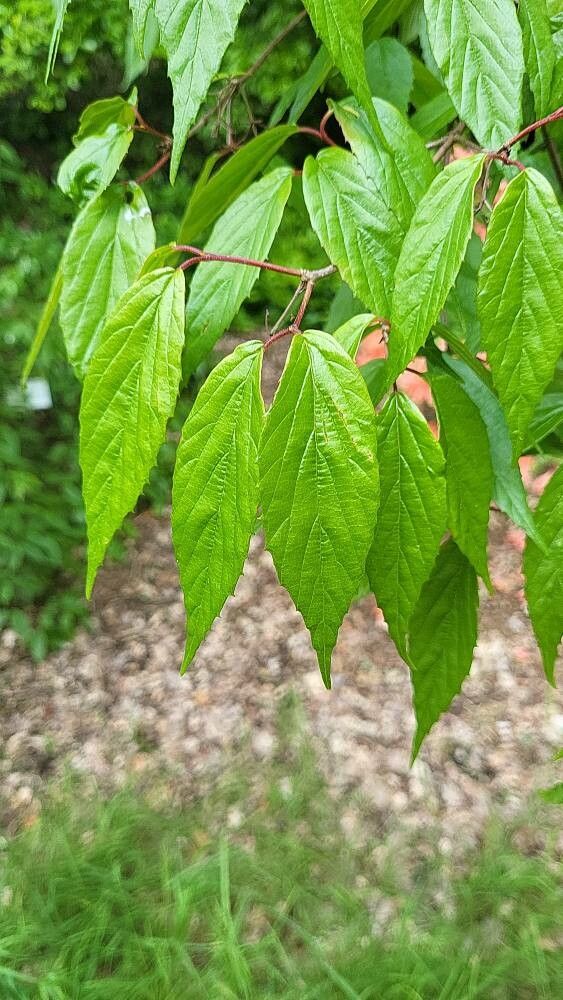
Oh, Viburnum formosanum! If you’re looking for a shrub that offers a sweet, fragrant reward for a little bit of effort, this is it. Its delicate, almost lace-like white flowers in spring and lovely, glossy foliage make it a real stand-out in the garden. Trust me, having more of these beauties to share or just to fill out your own landscape is incredibly satisfying. Now, for beginners, I’d say propagating Viburnum formosanum is moderately easy. It’s not quite as foolproof as, say, a Pothos, but with a little care, you’ll see success.
The Best Time to Start
For Viburnum formosanum, the sweet spot for taking cuttings is late spring to early summer. This is when the plant is actively growing, but before the stems get too woody. You’re looking for what we call “semi-hardwood” cuttings. These are stems that are a little firm but still bendy. If they snap cleanly, they’re probably too soft. If they’re really stiff and brittle, they’re too hard.
Supplies You’ll Need
Gathering your tools beforehand makes the whole process smoother. You’ll want to have these ready:
- Sharp pruning shears or a clean knife: For making clean cuts. Sterilize them with rubbing alcohol, please!
- Rooting hormone: Liquid or powder, whatever you prefer. It gives your cuttings a helpful boost.
- A well-draining potting mix: I like a blend of peat moss or coco coir, perlite, and a bit of compost. You can also buy a commercial seed-starting mix.
- Small pots or a propagation tray: With drainage holes, of course.
- A plastic bag or a clear dome: To create a humid environment.
- Water: For misting or for water propagation.
- A small trowel or dibber: To make holes for your cuttings.
Propagation Methods
Let’s get our hands dirty with a couple of tried-and-true methods for Viburnum formosanum.
Stem Cuttings
This is my go-to method for this plant.
- Take your cuttings: Select healthy, vigorous stems that are about 4-6 inches long. Make a clean cut just below a leaf node. A leaf node is where a leaf attaches to the stem – that’s where the magic happens for root formation.
- Prepare the cuttings: Remove the lower leaves, leaving just one or two at the very top. This prevents them from rotting in the soil and directs the plant’s energy into rooting.
- Apply rooting hormone: Dip the cut end of each cutting into your rooting hormone. Tap off any excess.
- Plant the cuttings: Fill your pots or tray with your prepared potting mix. Use your dibber or trowel to make a hole. Gently insert the cutting into the hole, pushing it down so the leaf nodes that had leaves removed are beneath the soil surface.
- Water gently: Water the soil thoroughly, making sure it’s moist but not waterlogged.
- Create humidity: Cover the pot or tray with a plastic bag or a clear dome. Poke a few small holes in the bag for ventilation.
Water Propagation
This is a simpler method, and sometimes it works wonderfully for Viburnums.
- Take your cuttings: Similar to the stem cutting method, take 4-6 inch cuttings from healthy, non-flowering stems. Again, cut just below a leaf node.
- Prepare the cuttings: Remove all but the top 1-2 leaves.
- Place in water: Put the cuttings in a clean jar or vase filled with water. Ensure the part where you removed the leaves is submerged, but don’t let the leaves themselves touch the water. This is crucial to prevent rot.
- Find a good spot: Place the jar in a bright spot that gets indirect sunlight.
- Change the water regularly: Every few days, change the water to keep it fresh and oxygenated. You should start seeing tiny roots emerge within a few weeks.
The “Secret Sauce” (Pro Tips)
Here are a few things I’ve learned over the years that can really give your cuttings an edge:
- Bottom Heat is Your Friend: Viburnums, like many shrubs, really appreciate a little warmth from below when they’re trying to root. A heated propagation mat placed under your tray or pots can significantly speed up the process and increase success rates. It encourages root development from the bottom up.
- When in Doubt, Sacrifice a Flower Bud: If you notice any flower buds forming on your cuttings, pinch them off immediately. The plant’s energy should be focused on growing roots, not producing flowers.
- Don’t Rush to Pot Up: Be patient! For stem cuttings, wait until you see good root development – you’ll see roots peeking out of the drainage holes or feel resistance when you gently tug on the cutting. For water propagation, wait for roots that are at least an inch long before attempting to pot them.
Aftercare & Troubleshooting
Once you see those lovely roots appearing, it’s time for a little more attention.
- Transplanting: Gently transplant your rooted cuttings into small pots filled with your well-draining potting mix. Water them in well.
- Gradual Acclimation: If you used a plastic bag or dome, gradually remove it over a week or so. This helps the new plants adjust to the ambient humidity.
- Light and Water: Keep them in bright, indirect light and water consistently, allowing the top inch of soil to dry out between waterings.
- Troubleshooting: The most common issue you might face is rot. This is usually due to overwatering or poor drainage. If a cutting turns mushy and black, it’s likely rotted. You might also see cuttings shrivel up and dry out – this can happen if they’re not getting enough humidity or if they’re placed in direct sun too soon. Don’t be discouraged if you lose a few; it’s all part of the learning curve!
A Encouraging Closing
Propagating plants is a beautiful journey of patience and observation. Don’t be afraid to experiment and learn as you go. Watching a tiny cutting transform into a new, vibrant plant is one of gardening’s greatest joys. So, grab your shears, get your hands dirty, and enjoy the process of growing more of these wonderful Viburnum formosanum!
Resource:
https://identify.plantnet.org/k-world-flora/species/Viburnum%20formosanum%20(Hance)%20Hayata/data