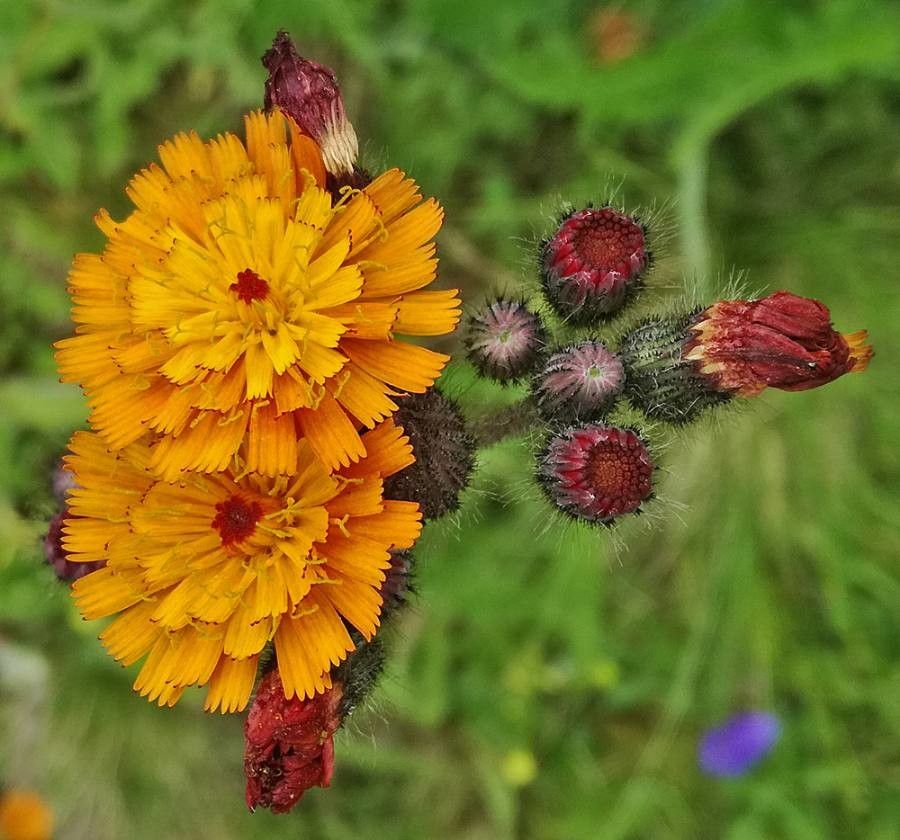
Hello, fellow plant enthusiasts! It’s me, your gardening friend with a few decades of dirt under my fingernails. Today, we’re diving into the wonderful world of propagating one of my favorite cheerful bloomers: Pilosella aurantiaca, commonly known as Orange Hawkweed or Devil’s Paintbrush.
Why You’ll Love Propagating Orange Hawkweed
Honestly, who can resist those bright, sunny, orange flowers? They bring such zest to any garden bed, attracting bees and butterflies like little magnets. And the best part? Propagating them is surprisingly straightforward. Even if you’re new to the plant propagation game, I think you’ll find this one to be a delightful success. It’s a fantastic way to fill up a border or share the beauty with friends.
When to Get Your Hands Dirty
The absolute best time to get started with propagating Orange Hawkweed is late spring or early summer. This is when the plant is actively growing and usually has plenty of energy to put into new root development. You’ll often see it putting out those long, arching stems, which are perfect for our efforts.
Your Propagation Toolkit
Here’s what you’ll want to have on hand:
- Sharp secateurs or scissors: For clean cuts on your stems.
- Small pots or trays: With drainage holes, of course!
- Well-draining potting mix: A good quality all-purpose mix with added perlite or coarse sand works wonders.
- Rooting hormone (optional but recommended): Especially for stem cuttings, it gives them a little boost.
- A small trowel or spoon: For handling soil.
- Watering can with a fine rose: To avoid disturbing your delicate new cuttings.
- Plastic bags or a propagator lid: To create a humid environment.
Let’s Get Propagating!
Orange Hawkweed is a bit of a spreader by nature, so we’ll take advantage of that! The easiest and most common methods involve its runners and stems.
Method 1: Division – The “It’s Already Doing It!” Approach
This is probably the most hands-off method because Orange Hawkweed is a pretty enthusiastic plant.
- Look for runners: You’ll often see stolons, which are like little plant stems, growing out from the parent plant. These runners will have tiny leaves and sometimes even little plantlets forming at the tips.
- Gently separate: Once these runners have a few leaves and look sturdy, you can carefully sever them from the parent plant with your secateurs. If the runner has already started to form roots, even better!
- Pot them up: Plant these runner sections directly into small pots filled with your well-draining potting mix.
- Water and wait: Water them gently. These usually take off pretty quickly!
Method 2: Stem Cuttings – For a Little Extra Effort
This method is also very effective and gives you more control.
- Select your stems: Look for healthy, non-flowering stems that are about 4-6 inches long. The stems should be somewhat firm but not woody.
- Make the cut: Using your clean secateurs, take cuttings just below a leaf node (where a leaf attaches to the stem). This is where the plant is most likely to form roots.
- Prepare the cutting: Gently remove the lower leaves, leaving just a couple at the top. If you’re using rooting hormone, dip the cut end into it.
- Plant the cuttings: Make small holes in your potting mix with a pencil or your finger. Insert the cut end of the stem into the hole and gently firm the soil around it.
- Create humidity: Water lightly and then cover the pots with a plastic bag, or place them in a propagator with a lid. This keeps the humidity high, which is crucial for preventing the cuttings from drying out before they form roots.
The “Secret Sauce” – My Top Tips
- Don’t let the leaves touch the water (if water propagating): While I haven’t detailed water propagation here, it’s a common method for some plants. For Orange Hawkweed, if you were to experiment, ensure the leaves stay above the water line. Leaves submerged tend to rot, and that’s not what we want! For pot propagation, ensure the leaves aren’t constantly sitting in damp soil.
- Bottom heat works wonders: If you have space or are propagating a larger batch, placing your pots on a gentle heat mat can significantly speed up root development. It mimics the warmth of spring soil and really encourages those roots to stretch out.
- Patience with the runners: When you divide runners, they might look a bit sad for a day or two. Give them a little time and consistent moisture, and they’ll perk up. Don’t be tempted to overwater out of worry; that’s a quick route to root rot.
Aftercare & Troubleshooting
Once your cuttings or divisions have begun to show signs of rooting – usually evidenced by new leaf growth or a gentle tug on the stem meeting resistance – it’s time to transition them.
- Gradually acclimate: If you’ve covered them with plastic, start by opening the bag or propagator lid for a few hours each day to let them adjust to less humid air.
- Keep the soil moist, not soggy: Water when the top inch of soil feels dry.
- Watch for rot: The biggest enemy here is overwatering. If you see stems turning mushy or black at the base, you might be overwatering, or the drainage isn’t quite right. Pull out any affected cuttings immediately to prevent it from spreading.
Go Forth and Bloom!
Propagating Orange Hawkweed is a truly rewarding experience. It’s a plant that gives back with its vibrant color and its willingness to be shared. Be patient with your new little plants, enjoy the process of nurturing them, and soon you’ll have a whole garden full of cheering orange blooms. Happy gardening!
Resource: