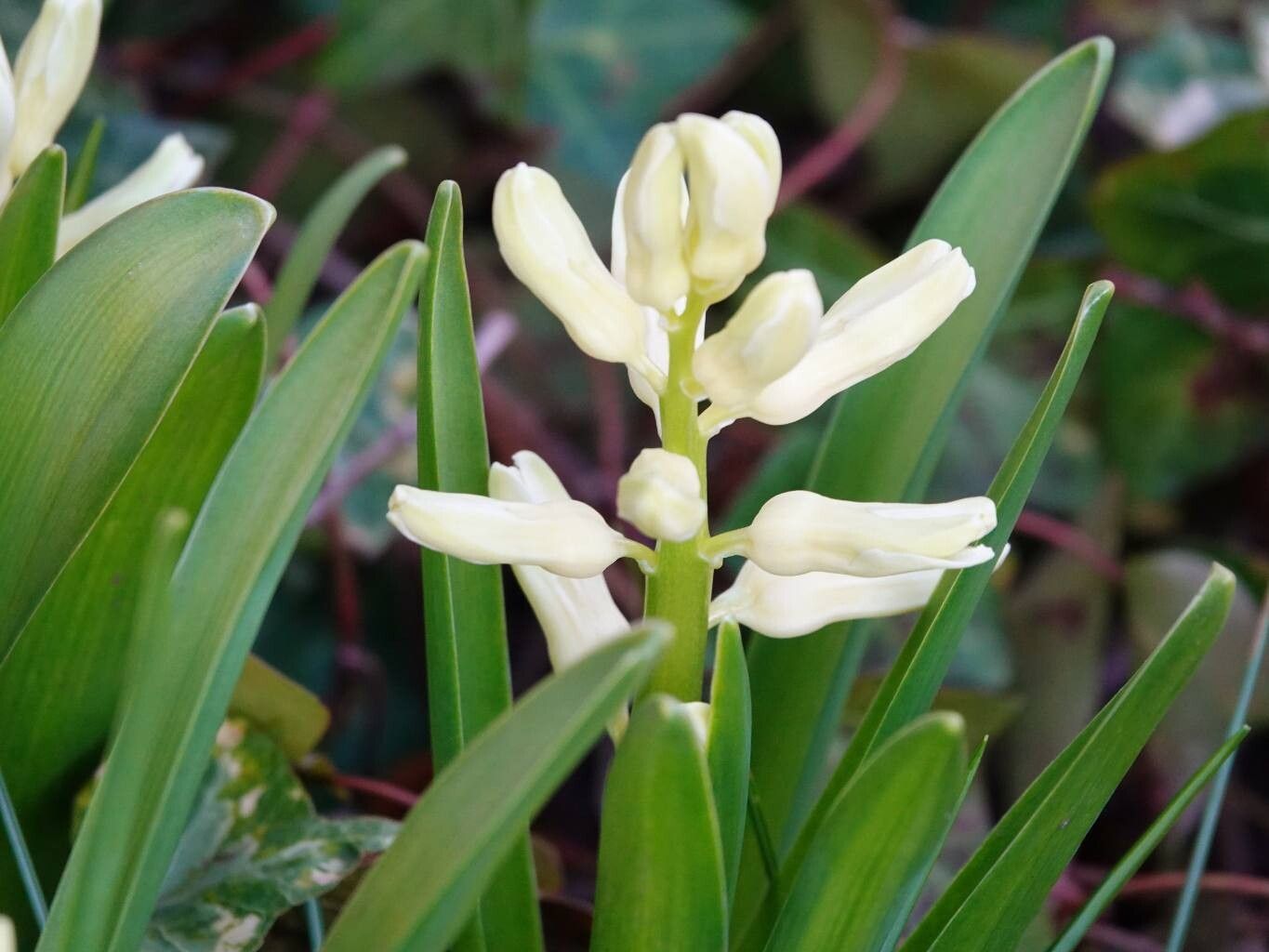
Oh, hello there! It’s so nice to have you join me for a chat about one of my absolute favorite spring bloomers: the Hyacinthus orientalis, or as we know them, the glorious hyacinths. Their intoxicating fragrance and vibrant colors are simply a delight after a long winter. And you know what makes them even more special? Growing them yourself from a parent plant! It’s a wonderfully rewarding process, and while they can be a smidge tricky compared to, say, a simple pothos, I promise, with a little patience, you’ll be successful.
The Best Time to Start
For hyacinths, division is absolutely the way to go, and the perfect time to do it is after they’ve finished flowering and the foliage has begun to yellow and die back. This is usually late spring or early summer. Waiting until the leaves have naturally withered is crucial because the plant is busy storing up energy in the bulb for the following year. Disturbing them too early can weaken the parent bulb.
Supplies You’ll Need
Here’s what you’ll want to have on hand:
- A trowel or a small spade
- Pruning shears or a sharp knife (cleaned well, of course!)
- A sterile potting mix – a good blend for bulbs, or a mix of compost and gritty sand works beautifully.
- New pots or containers, preferably with drainage holes.
- Gloves (optional, but good for keeping hands clean).
- A watering can.
Propagation Methods: The Magic of Division
Hyacinths primarily propagate through offsets, which are essentially baby bulbs that form around the base of the parent bulb. It’s like a little family growing underground!
- Digging Up the Bulbs: Gently, and I mean gently, dig around the base of the plant using your trowel. You want to lift the entire bulb clump. Be careful not to nick the bulbs themselves – they’re surprisingly delicate.
- Cleaning Them Up: Once you’ve got the clump out, gently brush off as much of the soil as you can. You’ll start to see the smaller bulbs attached to the main one.
- Separating the Offsets: This is where your sharp knife or shears come in. Carefully cut or twist away the smaller offset bulbs from the parent bulb. Make sure each offset has at least a small base from which roots can grow. Don’t worry if there’s still a bit of the parent bulb attached; that’s perfectly fine.
- Letting Them Dry (Slightly): Once separated, lay the offset bulbs out in a warm, dry, and airy spot for a day or two. This helps any cuts to callus over and reduces the risk of rot later on.
- Planting Your New Babies: Fill your clean pots with your potting mix. Plant the offset bulbs about 4-6 inches deep, pointy end up, of course! You can plant multiple offsets in one pot, ensuring they have a little space between them. Water them in gently.
The “Secret Sauce” (Pro Tips)
I’ve learned a few tricks after years of coaxing these beauties to grow. Here are a couple of my favorites:
- Don’t rush the foliage: Seriously, resist the urge to tie up those dying leaves or cut them back too soon. They are feeding the bulb for next year’s show. Let nature do its thing.
- Inspect for disease: Before you plant your separated offsets, give them a quick once-over. Discard any bulbs that show signs of soft spots, mold, or a foul smell. It’s better to lose a questionable bulb than to risk infecting your healthy ones.
Aftercare & Troubleshooting
Once your offsets are planted, give them a good watering. You can keep them in a cool, bright spot indoors or plant them directly into the garden. Don’t expect them to bloom the very next spring; offsets often need a year or two to mature into a blooming-size bulb. Continue to water them during dry spells.
The most common issue you might encounter is rot. This usually happens if the bulbs are kept too wet or if they didn’t have a chance to callus properly after division. If you see a bulb turn mushy and smell off, unfortunately, it’s a goner. Just remove it and discard it.
A Encouraging Closing
Propagating hyacinths is a journey, not a race. Be patient with your little offsets. With a little care and the passage of time, you’ll be rewarded with your very own hyacinths, grown with your own two hands. Happy gardening!
Resource:
https://identify.plantnet.org/k-world-flora/species/Hyacinthus%20orientalis%20L./data