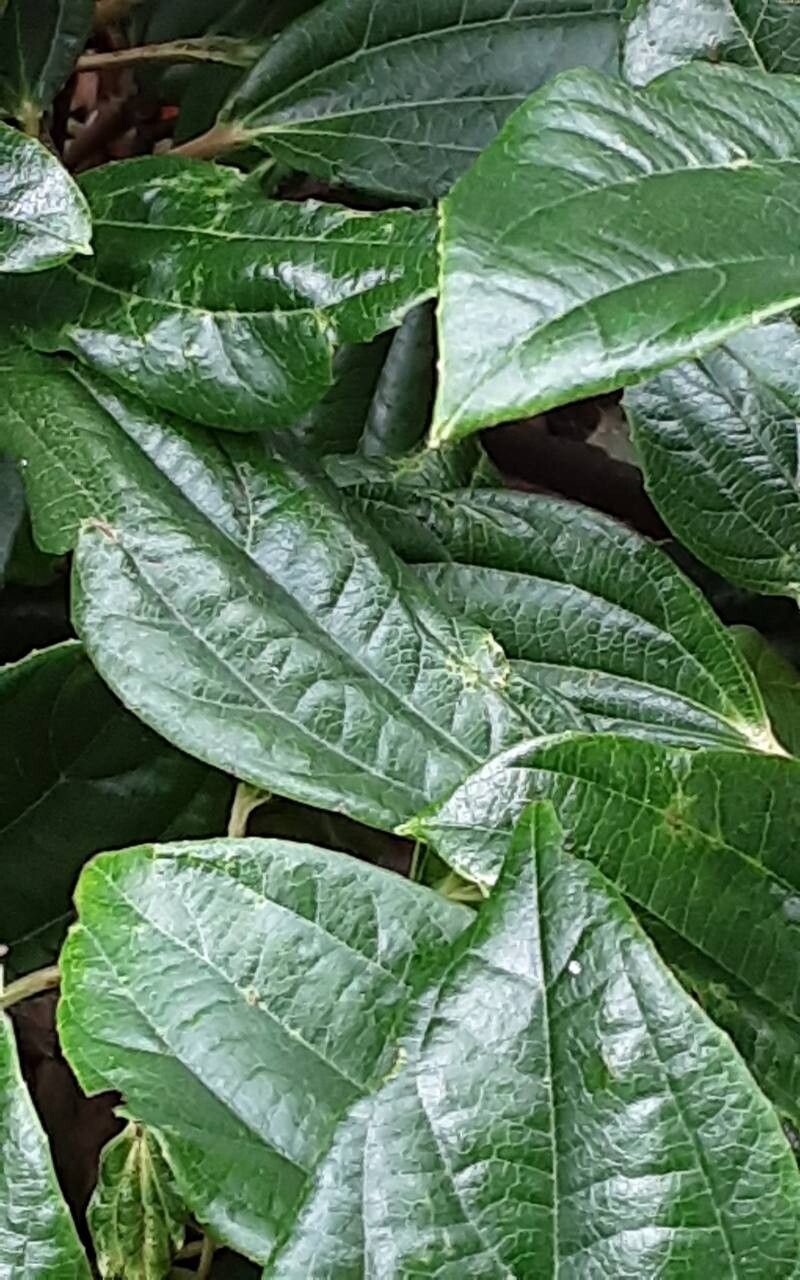
Oh, hello there! Come on in, grab a cup of something warm. Let’s chat about Viburnum cinnamomifolium. I’ve had a soft spot for this beauty for years. That glossy, leathery foliage? It’s just so elegant, especially when the spring blossoms arrive, often followed by lovely berries. Growing your own from cuttings is incredibly satisfying, a real garden win. If you’re new to propagation, don’t worry – this one is surprisingly good for beginners. You’ll be hooked!
When to Get Your Hands Dirty
The sweet spot for propagating Viburnum cinnamomifolium is late spring to early summer. This is when the plant is in a phase of active growth, but the stems have started to firm up a bit. We’re looking for what gardeners call semi-hardwood cuttings. They’re not so soft and floppy that they’ll rot instantly, but not so old and woody that they’ll struggle to root.
Your Propagation Toolkit
Before we dive in, let’s gather our supplies:
- Sharp Pruning Shears or a Craft Knife: Cleanliness is key!
- Rooting Hormone Powder or Gel: This is a real confidence booster for fussy plants.
- A Well-Draining Potting Mix: I like a mix of equal parts peat moss or coir, perlite, and compost.
- Small Pots or Seed Trays: With drainage holes, of course.
- A Plastic Bag or Humidity Dome: To keep things nice and moist.
- Watering Can with a Fine Rose: For gentle watering.
- Labels and a Permanent Marker: To remember what you’ve planted and when!
Bringing New Life: Stem Cuttings
This is my go-to method for Viburnums. It’s really effective.
- Take Your Cuttings: In late spring or early summer, select healthy, non-flowering shoots. Using your sharp shears, cut lengths of about 4-6 inches. Make the cut just below a leaf node (where a leaf attaches to the stem).
- Prepare the Cuttings: Gently remove the leaves from the lower half of each cutting. You want to avoid having leaves submerged in soil or water, as this can lead to rot. Leave just a couple of leaves at the top. If the leaves are very large, you can even cut them in half horizontally to reduce water loss.
- Apply Rooting Hormone: Dip the cut end of each stem into your rooting hormone. Tap off any excess. This stuff really encourages root development!
- Plant Your Cuttings: Fill your pots with the potting mix. Make a small hole in the center using a pencil or your finger. Insert the prepared cutting into the hole, ensuring the rooting hormone stays on the stem. Gently firm the soil around it.
- Water Gently: Water the potting mix thoroughly until it’s moist but not waterlogged.
- Create a Mini Greenhouse: Place the pots into a plastic bag, sealing it loosely at the top, or cover them with a humidity dome. This traps moisture and creates the humid environment cuttings crave.
The “Secret Sauce” from My Garden Diary
Here are a few things I’ve learned over the years that make a big difference:
- Don’t Crowded: Give your cuttings some breathing room! While it’s tempting to cram a lot into one pot, they’ll have a better chance of success if they aren’t touching each other. This also helps prevent the spread of any potential fungal issues.
- Bottom Heat is Your Friend: If you have a spare heat mat, placing your pots on it can dramatically speed up root formation. Viburnums, like many woody plants, benefit from a warm base in addition to good humidity. Just be sure your heat mat isn’t too hot – a gentle warmth is perfect.
- The “Scratch Test”: After a few weeks, if you’re unsure if your cutting has rooted, gently scrape away a tiny sliver of bark on the stem with your fingernail. If you see green underneath, it’s alive and still trying to root! If it’s brown and dry, it’s likely not going to make it.
Aftercare and When Things Go Wrong
Once your cuttings have developed a good root system – you’ll know this when you see new leaf growth and feel a bit of resistance when you gently tug on the cutting – it’s time for them to graduate.
Transplanting: Carefully transplant each cutting into its own small pot filled with your regular potting mix. Water them in well. Keep them in a bright spot, but out of direct, harsh sun for another few weeks.
Troubleshooting: The most common culprit for failure is rot, often caused by overwatering or poor drainage. If your cuttings turn black and mushy, that’s a sign of rot. Make sure your soil is drying out slightly between waterings and that your pots have good drainage. Another issue can be drying out too much – that’s why that humidity dome is so important! Don’t let it get completely desiccated.
Go Forth and Grow!
Propagating Viburnum cinnamomifolium is a wonderfully rewarding endeavor. It requires a little patience, a touch of observation, and a whole lot of garden love. Don’t be discouraged if every single cutting doesn’t make it – that’s part of the learning process for all of us. Enjoy the journey, and soon you’ll have your own lovely Viburnums to admire and share! Happy gardening!
Resource:
https://identify.plantnet.org/k-world-flora/species/Viburnum%20cinnamomifolium%20Rehder/data