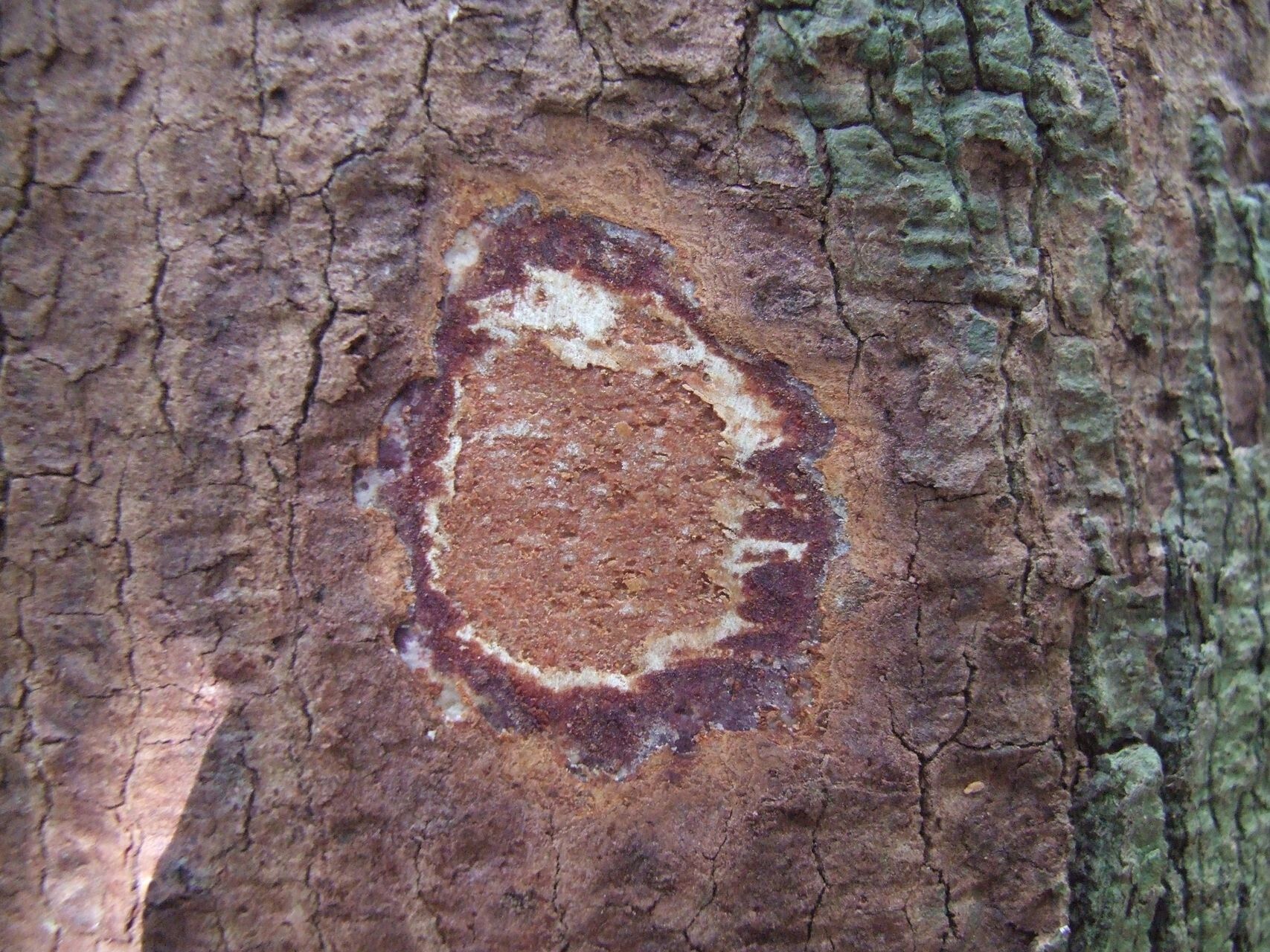
Hello, fellow plant lovers! Today, we’re diving into the delightful world of propagating Endiandra baillonii. If you’re drawn to plants with a bit of exotic flair, you’re in for a treat. This beautiful tree, often called the Queensland Walnut, offers glossy leaves and a handsome structure that can bring a touch of the tropics to your garden or home.
There’s something truly special about coaxing a new life from a bit of a parent plant. It’s a rewarding way to expand your collection, share with friends, or simply marvel at nature’s ingenuity. For those just starting out, Endiandra baillonii can be a bit of a learning curve, but with a little care and patience, you’ll be successful.
The Best Time to Start
The sweet spot for propagating Endiandra baillonii is generally late spring through early summer. This is when the plant is actively growing, and its stems have a good amount of energy to focus on developing roots. Look for stems that are semi-hardwood – they’ve recently matured a bit but are still flexible. Avoid brand new, bright green, and soft growth, as it’s too tender, and overly woody stems, which can be slow to root.
Supplies You’ll Need
To give our little cuttings the best start, here’s what you’ll want to have on hand:
- Sharp, clean pruning shears or a knife: Essential for making clean cuts.
- Rooting hormone (optional but recommended): A powder or gel that helps cuttings develop roots faster.
- Well-draining potting mix: A blend of perlite, peat moss, and coarse sand works wonders. You can also find specialized seed-starting mixes.
- Small pots or seed trays: Clean ones are a must.
- A watering can or spray bottle: For gentle watering.
- Plastic bags or a propagation dome: To create a humid environment.
- Perlite or coarse sand: For amending your potting mix or as a rooting medium.
Propagation Methods
Stem cuttings are your best bet for multiplying Endiandra baillonii. Here’s how we’ll do it:
First, select a healthy branch from your mature plant. Look for a stem that’s about pencil-thick and has developed some firmness. Using your sharp pruning shears, make a clean cut just below a leaf node. A leaf node is that little bump where a leaf meets the stem – it’s packed with growth potential.
Next, prepare your cutting. Remove the lower leaves where you’ll be placing it in the soil, leaving just a few at the top. This prevents them from rotting. If your cutting is long, you can even cut larger leaves in half to reduce water loss. Now, dip the cut end into your rooting hormone, tapping off any excess.
Fill your clean pots or trays with your chosen, well-draining potting mix. Make a small hole in the center with your finger or a pencil. Gently insert the cut end of your Endiandra baillonii cutting into the hole, ensuring the rooting hormone stays intact. Firm the soil gently around the stem.
Water thoroughly until water drains from the bottom of the pot. To create a humid microclimate, you can cover the pots with a clear plastic bag, ensuring the leaves don’t touch the plastic, or use a propagation dome. Place them in a bright spot that gets indirect light.
The “Secret Sauce” (Pro Tips)
Over the years, I’ve learned a few tricks that can really boost your success rate:
- Bottom heat makes a difference! If you can, place your pots on a heat mat designed for seedlings. This encourages root development from below, even if the air temperature is a bit cooler. It’s like a warm hug for your cuttings.
- Don’t overwater, but don’t let them dry out either! This is a delicate balance. The soil should feel consistently moist, like a wrung-out sponge. If the leaves look a bit droopy, that’s a sign they need a drink.
- Be patient with those nodes. Sometimes, you won’t see much happening for weeks. Don’t be discouraged! Those nodes are where the magic happens, and they can take their sweet time. Give it at least a month before you start to worry too much.
Aftercare & Troubleshooting
Once you see signs of new growth – tiny leaves or perhaps a gentle tug of resistance when you lightly pull the cutting – you know roots are forming! At this point, you can gradually acclimate your new plant to less humidity. Start by opening the plastic bag for a few hours each day, or lifting the propagation dome.
Keep the soil consistently moist, but avoid waterlogging. As the plant gets stronger, you can eventually transplant it into its own small pot with a good quality potting mix.
The most common issue you might encounter is rot. This usually happens due to overwatering or poor drainage. If you see mushy, black stems, or yellowing leaves that fall off easily, it’s often a sign of rot. Unfortunately, if rot sets in, the cutting is usually lost. This is why proper drainage and careful watering are so crucial.
A Little Bit of Patience Goes a Long Way
Propagating Endiandra baillonii is a journey. It requires observation, a bit of intuition, and, above all, patience. Don’t be discouraged if your first few attempts aren’t perfect. Each cutting teaches you something new. Enjoy the process, celebrate each tiny root that emerges, and soon you’ll have a whole new generation of these lovely Queensland Walnuts to admire. Happy growing!
Resource: