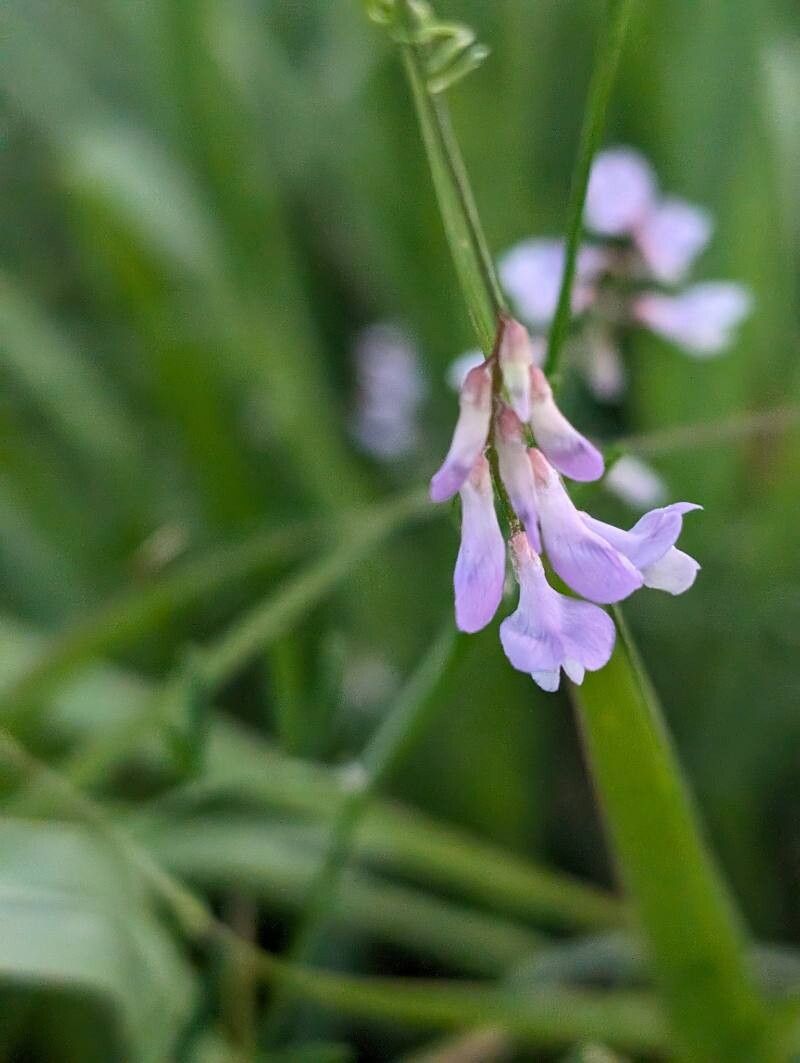
Oh, hello there! Come on in and pull up a chair. It’s always a pleasure to chat about plants, and today, we’re diving into the wonderful world of propagating Vicia americana, also known as American vetch.
Why Grow and Propagate Vicia Americana?
American vetch brings such a lovely, natural charm to any garden. Its delicate, vining habit and beautiful pea-like flowers add a touch of wild grace. It’s a fantastic native plant that’s quite beneficial for our pollinators. Plus, there’s something incredibly satisfying about watching a tiny cutting or seed transform into a thriving plant. I find it to be a pretty beginner-friendly plant to propagate, which is always a bonus, isn’t it?
The Best Time to Start
For Vicia americana, the sweet spot is usually late spring to early summer. This is when the plant is actively growing and has plenty of energy to put into root development. You can also collect seeds as they mature in late summer or fall. Starting with healthy, vigorous parent plants will always give you the best chance of success.
Supplies You’ll Need
Here’s a little checklist to make sure you have everything on hand:
- Sterilized Pruning Shears or Scissors: Clean tools prevent the spread of disease.
- Small Pots or Seed Starting Trays: With drainage holes, of course!
- Well-Draining Potting Mix: A good blend for starting seeds or cuttings is usually a mix of peat moss or coco coir, perlite, and a bit of compost.
- Rooting Hormone (Optional but Recommended for Cuttings): This gives your cuttings a little boost.
- Watering Can with a Fine Rose: Gentle watering is key.
- Plastic Bags or a Propagation Dome: To keep humidity high for cuttings.
- Labels: So you don’t forget what you planted where!
Propagation Methods
Let’s get our hands dirty! Vicia americana is quite amenable to a couple of different methods.
Seed Propagation
This is often the most straightforward way if you have access to seeds.
- Collect Your Seeds: Look for mature, dry seed pods in late summer or fall. Gently break them open to collect the seeds.
- Scarification (Important Step!): Vetch seeds have a tough seed coat that can prevent germination. You need to nick or lightly sand this seed coat with sandpaper or a small file. Just be careful not to damage the inner part of the seed.
- Soaking: After scarifying, soak the seeds in warm water for about 12-24 hours. This will further help soften the coat.
- Sow Your Seeds: Fill your pots or trays with your well-draining mix. Plant seeds about ½ inch deep and cover them lightly.
- Water Gently: Moisten the soil thoroughly but avoid waterlogging.
- Provide Warmth and Light: Place the pots in a warm location (around 65-75°F / 18-24°C). A sunny windowsill is perfect. Keep the soil consistently moist. You should see germination in about one to three weeks.
Stem Cuttings
This method allows you to replicate a specific plant you love.
- Take Your Cuttings: In late spring or early summer, select healthy, non-flowering stems from your parent plant. Using your sterilized shears, take cuttings that are about 4-6 inches long. Remove any lower leaves, leaving just a few at the top.
- Apply Rooting Hormone (Optional): Dip the cut end of the stem into rooting hormone, tapping off any excess.
- Plant Your Cuttings: Fill small pots with your potting mix. Make a small hole in the center with a pencil or dibber. Gently insert the cutting into the hole, ensuring the nodes where you removed the leaves are below the soil surface. Firm the soil around the cutting.
- Create a Humid Environment: Water the soil lightly. Then, cover the pot with a clear plastic bag or a propagation dome to maintain high humidity. This is crucial!
- Provide Light: Place the pots in a bright location but out of direct, harsh sunlight, as this can overheat the cuttings.
The “Secret Sauce” (Pro Tips!)
Here are a few things I’ve learned over the years that can really make a difference:
- For Stem Cuttings, Bottom Heat is Your Friend: If you have a seedling heat mat, placing your pots on it can significantly speed up root formation. It mimics the warmth of the soil in summer.
- Don’t Let Leaves Touch the Water (for Water Propagation): While I often mention water propagation, for vetch, I find it can sometimes lead to rot if leaves are submerged. If you try it, make SURE only the stem touches the water. Direct planting into soil is usually more successful for this particular plant.
- Patience with Seed Germination: Some seeds are just a bit stubborn! If you don’t see anything after a few weeks, don’t give up immediately. Ensure the soil stays consistently moist and warm.
Aftercare & Troubleshooting
Once your seeds have germinated or your cuttings have developed a good root system (you might see roots emerging from the drainage holes), it’s time to give them a bit more attention.
- Gradual Acclimation: If you used a plastic bag or dome for cuttings, slowly begin to reduce the humidity by opening the bag for a few minutes each day. This helps them adjust to drier air.
- Watering: Continue to water gently, allowing the top inch of soil to dry out slightly between waterings. Avoid overwatering, which is a common culprit for root rot.
- Transplanting: Once your seedlings are a few inches tall or your cuttings have a strong root ball, you can carefully transplant them into individual, slightly larger pots or directly into their final garden location (if the weather is appropriate).
Common signs of trouble? Wilting can be a sign of underwatering or not enough humidity. Yellowing leaves might indicate overwatering or poor drainage. Mushy, dark stems at the soil line are a clear sign of rot. If you see rot, it often means you need to start over, but don’t be discouraged! Learning what not to do is a big part of gardening.
Keep Growing!
There you have it! Growing Vicia americana from seed or cuttings is a really rewarding experience. Remember, gardening is a journey, and every plant you nurture is a little victory. Be patient with yourself and with your little green charges, and enjoy the process of bringing more beauty into your world. Happy propagating!
Resource:
https://identify.plantnet.org/k-world-flora/species/Vicia%20americana%20Muhl.%20ex%20Willd./data