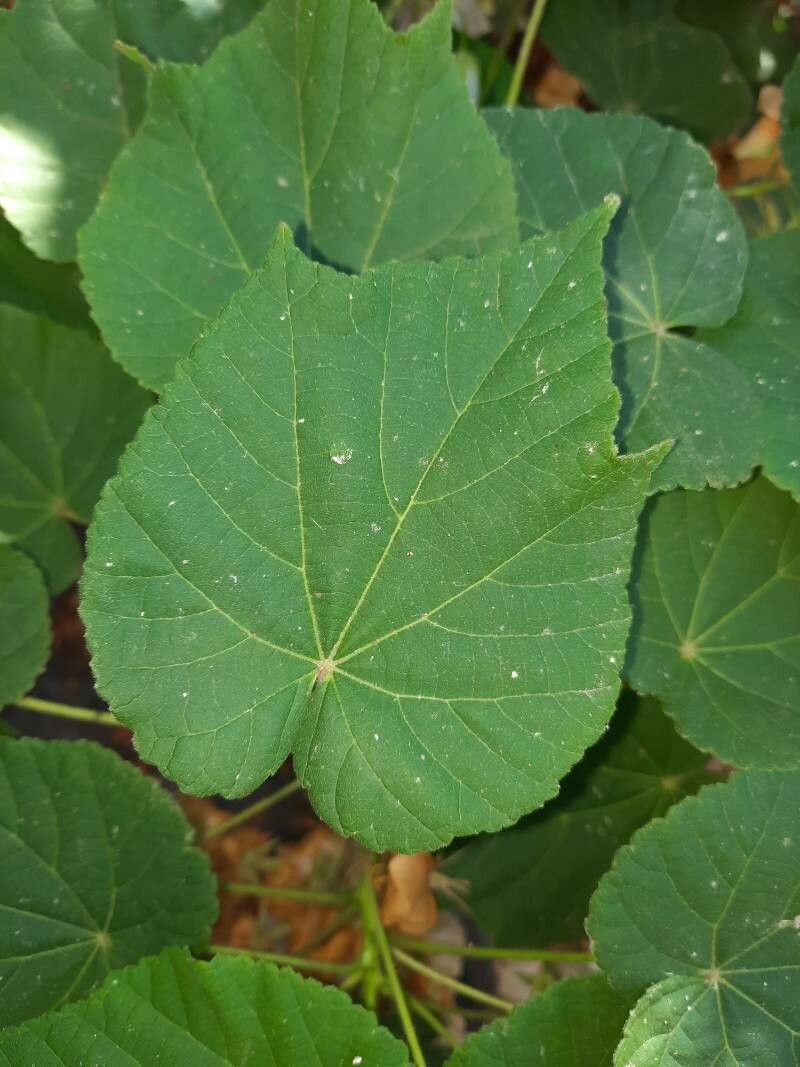
Oh, hello there, fellow plant enthusiast! If you’ve ever been captivated by the glorious, fragrant blooms of a Dombeya tiliacea, you’re in for a treat. These beauties, with their delicate pink flowers that cascade like a waterfall, are a joy to have in any garden. And the best part? You can easily bring more of that beauty into your life by propagating them yourself!
Now, I know sometimes the idea of creating new plants from scratch can sound a bit daunting. But trust me, with Dombeya, it’s a journey that’s quite forgiving, even for those of you just dipping your toes into the wonderful world of propagation. It’s incredibly rewarding to watch a tiny cutting transform into a thriving plant, a little piece of your garden to share with friends or to simply admire.
The Best Time to Start
When it comes to Dombeya tiliacea, the sweet spot for propagation is generally late spring to early summer. This is when the plant is actively growing after the spring flush. You’re looking for new, semi-hardwood growth – stems that are no longer completely soft and floppy, but not yet woody and old. Think of it like this: they’ve got a bit of flexibility but are starting to firm up. This type of growth has the best energy reserves for rooting.
Supplies You’ll Need
Gathering your bits and bobs beforehand makes the whole process smoother. Here’s what will make your propagation journey a success:
- Sharp Pruning Shears or a Clean Knife: For making clean cuts.
- Rooting Hormone: A powder or liquid can really give your cuttings a helpful boost.
- Small Pots or Propagation Trays: Clean ones are key!
- Well-Draining Potting Mix: I like a mix of 50% peat or coco coir and 50% perlite or coarse sand. It needs to drain like a sieve!
- Plastic Bags or a Propagator Lid: To create a humid environment.
- Water: For misting and watering.
- Labels and a Pen: To keep track of what’s what!
Propagation Methods
For Dombeya tiliacea, stem cuttings are wonderfully effective. It’s my go-to method, and I find it yields the best results.
- Take Your Cuttings: In late spring or early summer, select healthy stems from your mature Dombeya. Using your sharp pruners, take cuttings that are about 4-6 inches long. Look for those semi-hardwood pieces I mentioned.
- Prepare the Cuttings: Once you have your cuttings, remove the lower leaves. You want to expose at least two “nodes” (where the leaves were attached). If the cutting is very long, you can cut it in half to create more plants – just ensure each piece has at least one node.
- Dip in Rooting Hormone: This is where the magic potion comes in! Dip the cut end of each cutting into a rooting hormone powder or liquid. Tap off any excess.
- Planting Time: Fill your clean pots or trays with your well-draining potting mix. Make a hole with your finger or a pencil that’s deep enough for the cutting. Gently insert the prepared cutting into the hole, ensuring the nodes where you removed the leaves are below the soil surface. Firm the soil gently around the base of the cutting.
- Create Humidity: Water your cuttings lightly. Then, cover the pots with a clear plastic bag or place the propagator lid on top. This creates a miniature greenhouse effect, keeping the humidity high, which is crucial for preventing the cuttings from drying out before they can grow roots. You can prop up the bag with stakes if it touches the leaves.
The “Secret Sauce” (Pro Tips)
After years of getting my hands dirty, I’ve picked up a few tricks that often make all the difference.
- “Cleanliness is Next to Godliness” (for Cuttings!): I can’t stress this enough – sterilize your tools and pots! This is your first line of defense against fungal diseases and rot, which are the biggest enemies of newly formed roots. A quick wipe with rubbing alcohol is your friend.
- Don’t Overwater, Just Keep it Moist: While humidity is key, avoid waterlogging the soil. I like to check the soil moisture by gently pressing a finger in. If it feels dry to about an inch deep, it’s time for a light watering or a misting. Soggy soil will invite rot faster than you can say “Dombeya delight!”
- A Little Warmth Goes a Long Way: If you can, try to provide a bit of gentle bottom heat. This can be achieved with a seedling heat mat. Warmer soil temperatures encourage root development, giving your cuttings that extra push they need to get going.
Aftercare & Troubleshooting
Once you start to see signs of life – new leaf buds emerging or a gentle tug resistance on the cutting – it’s a good sign that roots are forming!
At this point, you can gradually acclimate your new plants to normal room humidity by opening the plastic bag a little more each day over a week or so. Continue to water them when the top inch of soil feels dry. Once they are well-established and you’ve got a decent root ball, you can transplant them into their own slightly larger pots.
What if things go wrong? The most common culprit is rot. If your cuttings turn mushy, black, or start to wilt dramatically, it’s usually a sign of too much moisture and not enough air circulation, or a less-than-ideal sterile environment. If you see rot, it’s often best to discard the affected cutting and learn for next time. Sometimes, a cutting just doesn’t take, and that’s okay! It’s all part of the learning process.
A Encouraging Closing
Propagating Dombeya tiliacea is a wonderful way to connect with your plants and multiply their beauty. Don’t be discouraged if your first attempt isn’t a runaway success. Be patient, observant, and enjoy the process of nurturing something new. Before you know it, you’ll have a garden bursting with these fragrant pink wonders! Happy growing!
Resource:
https://identify.plantnet.org/k-world-flora/species/Dombeya%20tiliacea%20(Endl.)%20Planch./data