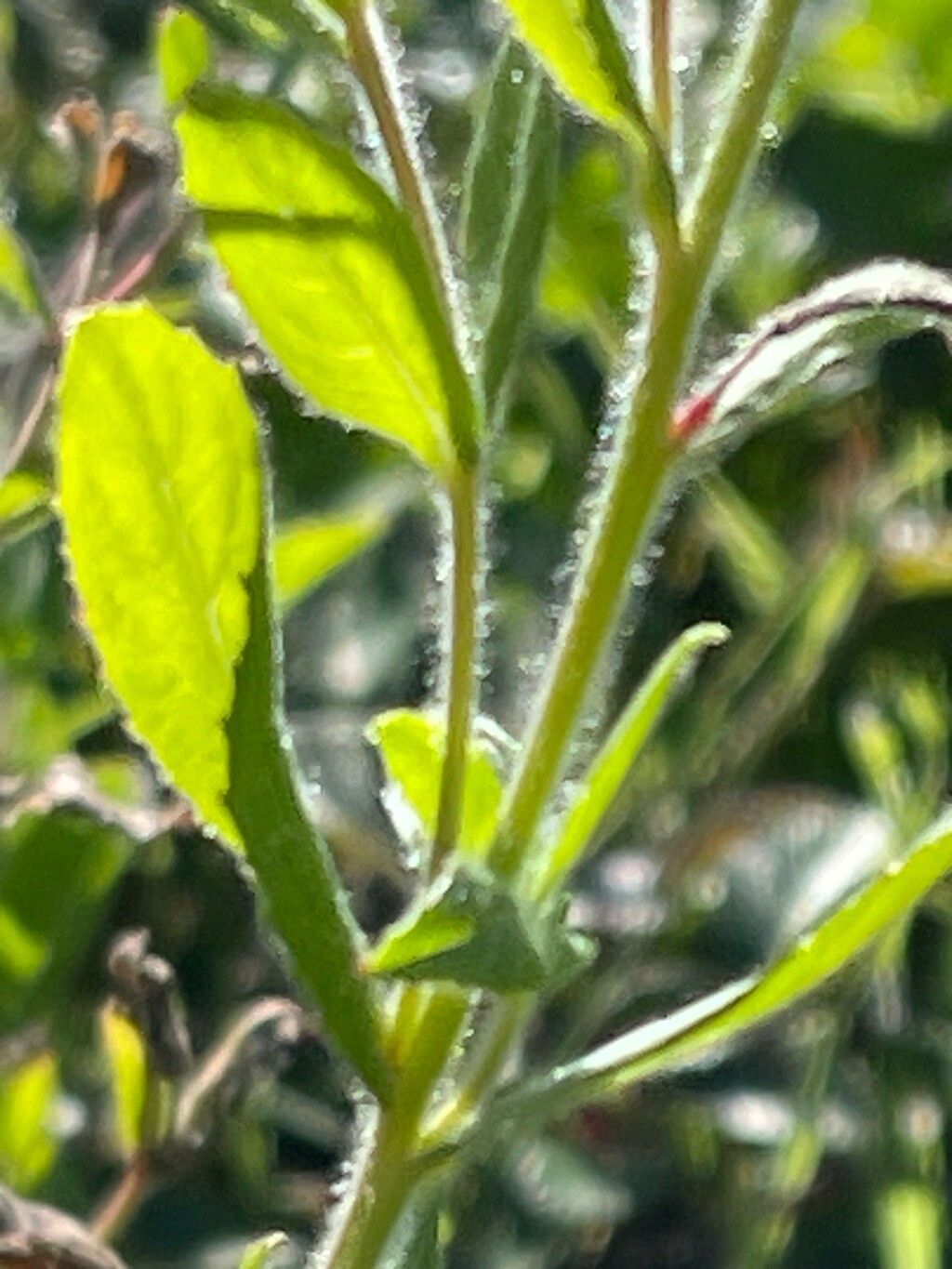
Hello, fellow garden enthusiasts! Today, we’re diving into the wonderful world of Epilobium hirsutum, or as it’s more affectionately known, Hairy Willowherb. If you’ve ever seen this vibrant beauty gracing the edges of ponds, streams, or damp meadows, you’ll understand its charm. Those gorgeous pinkish-purple blooms really do light up the landscape, and the fuzzy stems are just delightful.
The best part? Epilobium hirsutum is surprisingly easy to propagate. For those of you just starting out with plant sharing, this is a fantastic one to try. It’s a truly rewarding process to take a little piece of your garden and coax it into a brand new, thriving plant.
The Best Time to Start
For the happiest results, I find that late spring to early summer is the absolute sweet spot for propagating Hairy Willowherb. This is when the plant is in its active growth phase, and those young, tender stems are brimming with life and energy, ready to root up.
Supplies You’ll Need
Gathering your supplies makes the whole process so much smoother. Here’s what I usually have on hand:
- Sharp pruning shears or a clean craft knife: For making nice, clean cuts.
- Small pots or trays: Whatever you have available will work.
- A good quality, well-draining potting mix: I often mix my own with standard potting soil and a good amount of perlite or coarse sand.
- Rooting hormone (optional but helpful): Especially for water propagation, it can give things a little boost.
- A spray bottle: For misting.
- A plastic bag or propagation dome: To create a humid environment.
Propagation Methods
Hairy Willowherb is wonderfully adaptable. Here are a couple of my favorite ways to get more of it:
Stem Cuttings
This is my go-to method for a reason! It’s straightforward and effective.
- Select your plant: Find a healthy, non-flowering stem on your mature Hairy Willowherb plant.
- Take your cuttings: Using your clean shears, cut a piece of stem about 4-6 inches long. Make the cut just below a leaf node (where a leaf attaches to the stem).
- Prepare the cuttings: Gently remove the lower leaves from your cuttings, leaving just a few at the top. This helps the plant focus its energy on rooting rather than supporting too many leaves.
- Rooting hormone (if using): Dip the cut end of each stem into rooting hormone powder. Tap off any excess.
- Plant your cuttings: Fill your pots or trays with your prepared potting mix. Make a small hole with your finger or a pencil and insert the cut end of the stem. Gently firm the soil around it.
- Water and cover: Water the soil lightly from the top. Then, cover the pot with a plastic bag, securing it around the rim with a rubber band, or place it inside a propagation dome. This creates a mini greenhouse effect.
Division
If your Hairy Willowherb is already a mature clump, division is a fantastic way to multiply your plants and give the parent plant a little refresh.
- Dig up the clump: In late spring or early summer, carefully dig up the entire plant.
- Gently separate: Inspect the root ball. You can usually gently pull the clump apart with your hands or use a clean spade if it’s very dense. Each section you separate should have at least a few stems and some healthy roots.
- Replant: Immediately replant your divisions into their new spots in the garden or into pots with fresh soil. Water them well.
The “Secret Sauce” (Pro Tips)
Over the years, I’ve picked up a few little tricks that make a difference.
- When taking stem cuttings, avoid stems that are already flowering. They’re putting their energy into blooms, not roots. Young, leafy growth is always best.
- If you’re doing water propagation (which also works for Hairy Willowherb!), make sure to place your cuttings in a clean jar of water and change the water every few days. Keeping it fresh helps prevent rot and encourages root development. Also, try to keep the leaves out of the water as much as possible.
- Bottom heat can be a real game-changer, especially if your environment is a bit on the cooler side. Placing your pots on a heat mat designed for seedlings can significantly speed up root formation.
Aftercare & Troubleshooting
Once your cuttings have developed good roots (you’ll see them peeking out the drainage holes or feel resistance when you gently tug on the stem), it’s time to give them a bit more space.
Carefully transplant your rooted cuttings into individual pots or into their permanent garden locations. Continue to keep them well-watered, especially during their first few weeks, but avoid soggy soil, which can lead to root rot. Fungus gnats and wilting are also signs that something might be wrong. Usually, it’s a balance issue – too much water or not enough airflow.
A Encouraging Closing
Don’t be discouraged if every single cutting doesn’t take. Gardening is a journey of learning and experimenting! Be patient, enjoy the process of nurturing these new little plants, and before you know it, you’ll have plenty of beautiful Hairy Willowherb to share with friends or to fill your own garden with its cheerful presence. Happy propagating!
Resource:
https://identify.plantnet.org/k-world-flora/species/Epilobium%20hirsutum%20L./data