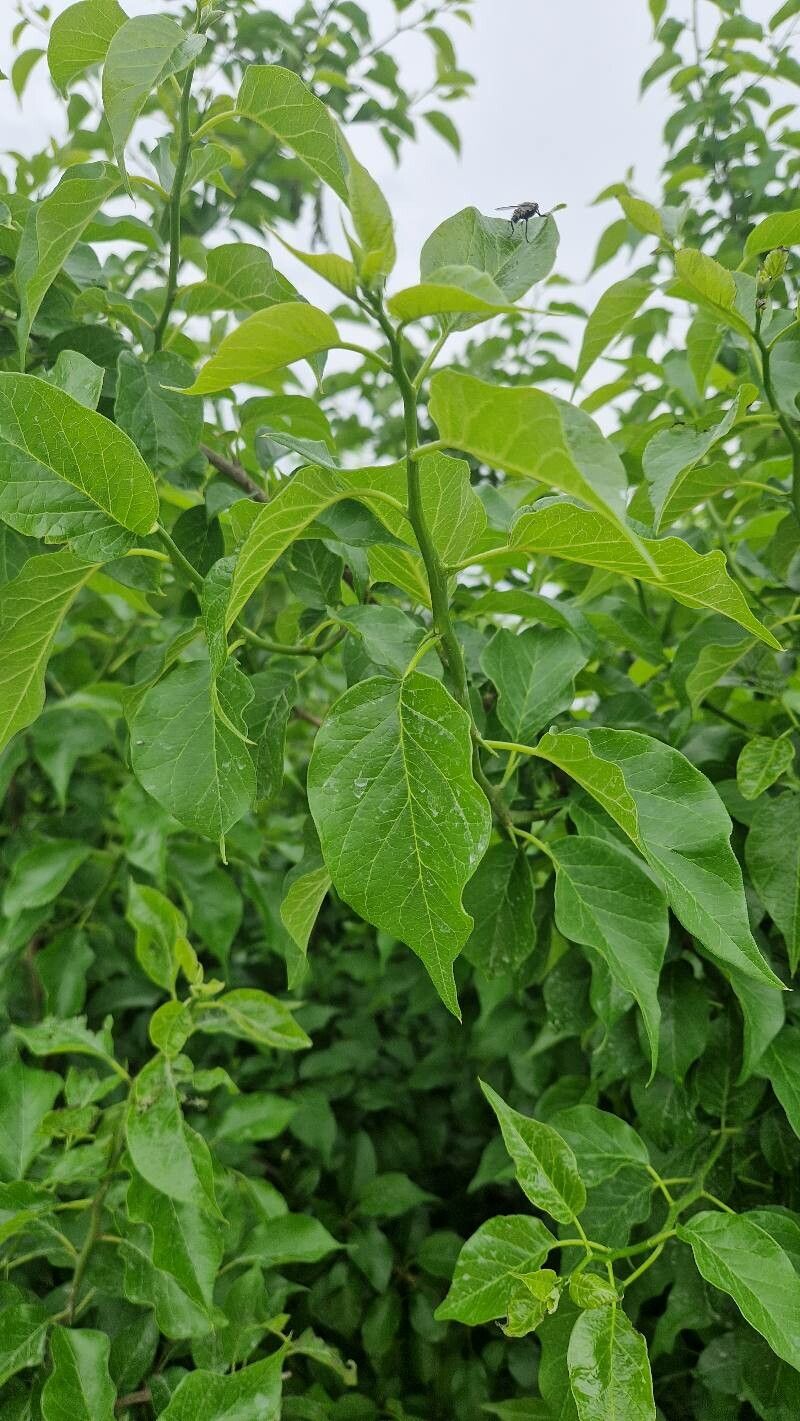
Hello fellow plant lovers! Today, we’re diving into the wonderful world of propagating Maclura pomifera, also known as Osage Orange. These fascinating trees, with their distinctive bumpy fruit and thorny branches, have a tough-as-nails reputation. But don’t let that scare you! Propagating them can be surprisingly rewarding, and I’m here to guide you through it. It’s a great project for beginners looking to get their hands dirty and expand their green collection without breaking the bank.
The Best Time to Start
My top recommendation for propagating Maclura pomifera is to start in late winter or early spring. This is when the plant is dormant, meaning it’s not actively growing, and you can take cuttings with minimal stress to the parent plant. Alternatively, you can attempt propagation from seed in the fall, letting nature do some of the stratification work over winter.
Supplies You’ll Need
Here’s a quick rundown of what you’ll want to have on hand:
- Sharp pruning shears or a clean knife: For making precise cuts.
- Rooting hormone (optional but recommended): Specifically for woody cuttings.
- Potting mix: A well-draining mix is crucial. I like a blend of peat moss, perlite, and a little bit of compost.
- Small pots or trays: With drainage holes, of course!
- Watering can or spray bottle: For gentle watering.
- Plastic bags or a propagator: To create a humid environment.
- Labels: To keep track of your projects!
Propagation Methods
There are a couple of reliable ways to get new Maclura pomifera plants going.
Stem Cuttings (The Most Common Method)
- Take your cuttings: In late winter or early spring, when the plant is dormant, select healthy, pencil-thick branches from the previous year’s growth. Cut sections that are about 6-8 inches long. Make the cut just below a leaf node (where a leaf was attached). Remove any lower leaves, leaving just a couple at the very top.
- Prepare the cuttings: Lightly nick the bark at the bottom inch of each cutting with your knife. This encourages root formation.
- Apply rooting hormone: Dip the bottom inch of each cutting into rooting hormone. Gently tap off any excess.
- Plant the cuttings: Fill your pots or trays with your well-draining potting mix. Insert the cuttings about 2-3 inches deep, ensuring the bottom nodes are buried. Gently firm the soil around them.
- Create humidity: Water the soil thoroughly until it drains from the bottom. Then, cover the pots with a plastic bag or place them in a propagator. This creates a microclimate that helps the cuttings stay hydrated while they root. Ensure the plastic doesn’t touch the leaves.
Seed Propagation
- Collect seeds: If you’re collecting from your own trees, gather the fruit in the fall. The seeds are inside the fleshy pulp.
- Extract and clean the seeds: This can be a bit messy! Wash the seeds thoroughly to remove all pulp. Let them dry for a day or two.
- Stratify the seeds: Maclura pomifera seeds need a period of cold, moist stratification to germinate. You can simply mix the seeds with moist sand or peat moss in a plastic bag and store them in the refrigerator for 2-3 months. Check periodically to ensure the medium stays moist.
- Sow the seeds: In early spring, after stratification, sow the seeds about 1/2 inch deep in your well-draining potting mix. Keep the soil consistently moist.
The “Secret Sauce” (Pro Tips)
- Bottom Heat is Your Friend: Especially for stem cuttings, providing a gentle warmth from below (like a heat mat used for seedlings) can significantly speed up root development. It mimics the warmth of spring soil and gives those cuttings a real boost.
- Be Patient with Sterility: Osage Orange is hardy, but nobody likes a moldy start! Make sure your pruning shears, pots, and tools are clean before you begin. This simple step can prevent fungal diseases from setting in.
- Don’t Drown Them: While a humid environment is necessary, overwatering is the quickest way to kill your cuttings. The soil should feel consistently moist, not soggy. If the plastic bag looks overly steamy, open it up for a few hours to let it air out.
Aftercare & Troubleshooting
Once you see new growth on your cuttings (this can take several weeks to a few months!), it’s a good sign that roots are forming.
- Gradually Acclimate: Once your seedlings or cuttings have developed a decent root system, slowly start to acclimate them to lower humidity. Gradually open the plastic bag or propagator over a week or two.
- Watering: Continue to keep the soil consistently moist but not waterlogged. Water when the top inch of soil feels dry to the touch.
- Repotting: When your new plants are a few inches tall and have a good root structure, you can repot them into larger containers with fresh potting mix.
The most common issue you might encounter is rot. If your cuttings turn black and mushy, it’s a clear sign of too much moisture and poor drainage. Unfortunately, if this happens, they likely won’t recover. Don’t get discouraged if a few don’t make it – that’s part of gardening! Just try again.
A Encouraging Closing
Propagating Maclura pomifera is a journey, and like any good gardening project, it requires a little patience. Watching a tiny cutting or a seed transform into a new plant is incredibly satisfying. So gather your supplies, find a good spot in your garden or home, and give it a try. You’ll be amazed at what you can grow! Happy planting!
Resource:
https://identify.plantnet.org/k-world-flora/species/Maclura%20pomifera%20(Raf.)%20C.K.Schneid./data