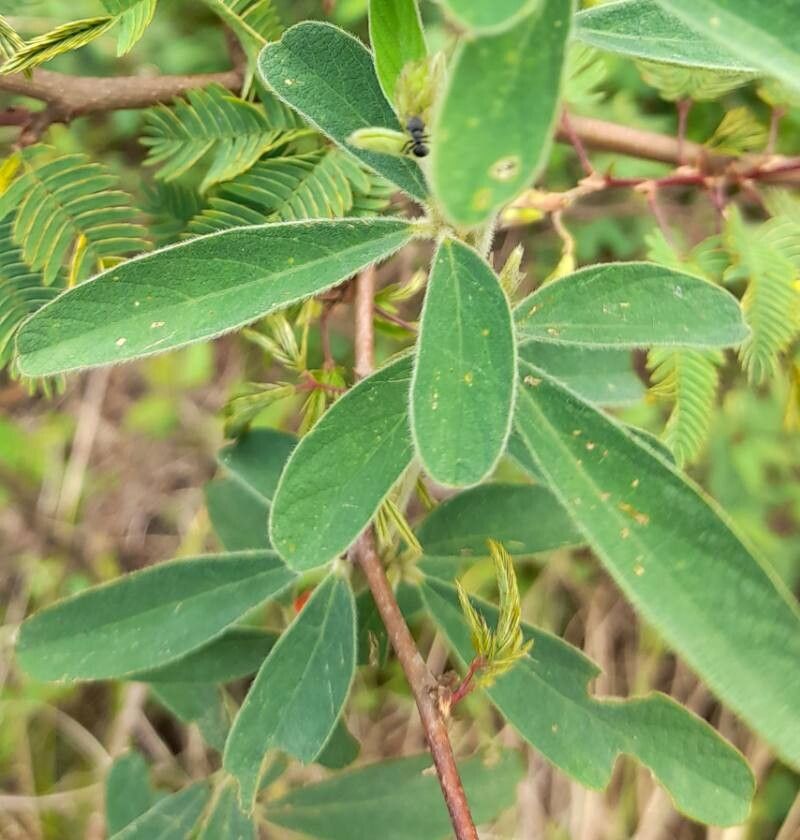
Oh, hello there! It’s so lovely to have you join me. Today, we’re going to chat about a plant that has brought so much joy to my garden, and I think it will do the same for yours: Desmodium cuneatum. You know, the one with those delicate, butterfly-like flowers that seem to shimmer in the sun? It’s a dream, truly. And the best part? You can easily get more of these beauties to fill your space. Propagating it is incredibly rewarding, a little bit like magic, really. Now, for beginners, I’d say this is a moderately easy plant to propagate. A little bit of know-how and you’ll be a pro in no time.
The Best Time to Start
For Desmodium cuneatum, I’ve found the spring is your best bet. Think of it as the plant waking up from its winter slumber, full of new, vigorous energy. Starting your cuttings then, as new growth begins to emerge, gives them the best chance to establish quickly. You’re essentially catching them at their peak performance, ready to put down roots with gusto.
Supplies You’ll Need
Gathering your supplies beforehand makes the whole process smoother. Here’s what I always have on hand:
- Sharp Pruning Shears or a Craft Knife: Clean cuts are crucial for healthy propagation.
- Well-Draining Potting Mix: A mix of peat moss, perlite, and a touch of compost works wonderfully. You want it to hold a bit of moisture but drain freely.
- Small Pots or Trays: Clean, appropriately sized containers for your cuttings.
- Rooting Hormone (Optional but Recommended): This can give your cuttings a significant boost. Look for one with IBA.
- Plastic Bags or a Clear Dome: To create a humid environment for your cuttings.
- Watering Can with a Fine Rose: For gentle watering.
- Labeling Stakes: So you don’t forget what you’ve planted!
Propagation Methods
Let’s get our hands dirty! For Desmodium cuneatum, I find that stem cuttings are the most successful and straightforward method.
- Take Your Cuttings: With your clean shears, select a healthy, non-flowering stem. Look for stems that are about 4-6 inches long and have at least two or three sets of leaves. Make a clean cut just below a leaf node (where a leaf meets the stem).
- Prepare the Cuttings: Gently remove the lower leaves, leaving just two or three at the top. If your cuttings are very long, you can even cut them in half so each piece has a leaf node.
- Apply Rooting Hormone: Dip the cut end of each cutting into your rooting hormone powder, tapping off any excess. This step isn’t strictly necessary for Desmodium, but it really does speed things up.
- Plant Your Cuttings: Fill your small pots or trays with your well-draining potting mix. Make a small hole in the center of each pot with your finger or a pencil. Gently insert the prepared cuttings into the holes, ensuring the leaf nodes are buried. Firm the soil gently around the base of the cuttings.
- Water Gently: Water the soil thoroughly but carefully, using your fine-rose watering can. You want the soil to be moist, not waterlogged.
- Create a Humid Environment: This is key! Cover the pots with a clear plastic bag, ensuring it doesn’t touch the leaves too much, or use a clear plastic dome. This traps moisture and creates that humid microclimate baby roots love. Place the pots in a bright spot, but out of direct sunlight.
The “Secret Sauce” (Pro Tips)
Here are a couple of things I’ve learned over the years that make a big difference:
- Bottom Heat is Your Friend: If you can, place your pots on a heated propagator mat. This gentle warmth from below encourages root development much faster than ambient room temperature alone. It’s like a little cozy bed for your cuttings!
- Don’t Let the Leaves Drip Dry: Once you’ve covered your cuttings, check them daily. If you see condensation building up excessively, open the bag or dome for an hour or two to let them air out. Too much stagnant moisture can lead to rot, which is the opposite of what we want!
Aftercare & Troubleshooting
Once you start seeing new growth appearing on your cuttings, that’s a good sign roots are forming! You can gently tug on a cutting to feel for resistance. If there’s a bit of tug, roots are developing. Gradually acclimate your new plants to normal humidity by opening them up for longer periods each day. Once they seem well-established, you can transplant them into slightly larger pots.
Be on the lookout for rot. If your cuttings turn mushy and black, that’s a sign of too much moisture and not enough airflow. If this happens, you might need to discard rotten pieces and improve ventilation for the healthy ones. Sometimes, a cutting just doesn’t take, and that’s okay! Gardening is a journey of experimentation.
A Encouraging Closing
Propagating Desmodium cuneatum is a wonderfully satisfying way to expand your collection of these delightful plants. Be patient with the process – nature has its own rhythm. Celebrate every little sprout and every new leaf. Happy growing!
Resource:
https://identify.plantnet.org/k-world-flora/species/Desmodium%20cuneatum%20Hook.%20&%20Arn./data