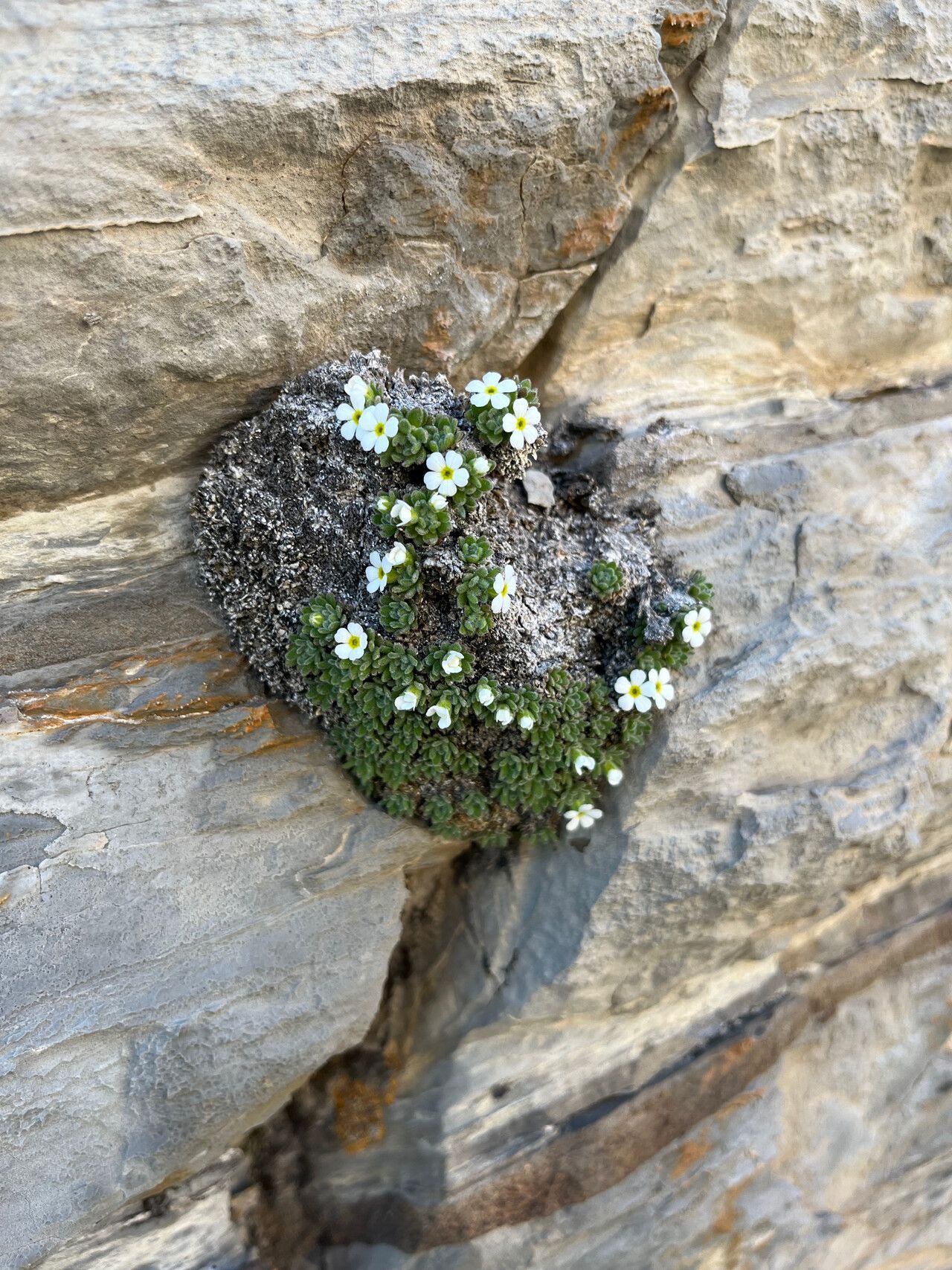
Hello, fellow garden enthusiasts! It’s so lovely to be chatting with you today about one of my absolute favorite alpine treasures: Androsace pubescens. If you’ve ever seen this little darling blooming, you’ll know why it captures our hearts. It forms these exquisite, cushion-like mounds, absolutely smothered in a froth of delicate, usually pinkish-white flowers for weeks on end. It’s a real showstopper, especially when grown in rock gardens or containers.
Now, about propagating it – is it a walk in the park, or does it require a bit more finesse? For Androsace pubescens, I’d say it’s moderately easy, especially if you pick the right method and timing. It’s not quite as slap-dash as, say, propagating succulents, but the rewards are so worth it. Seeing these tiny seedlings or cuttings flourish into new plants is incredibly satisfying, and it means you can share the beauty or fill those empty spots in your garden.
The Best Time to Start
For Androsace pubescens, timing is everything. I find the late spring to early summer is your sweet spot. This is when the plant is actively growing, so any cuttings you take will have the best chance of rooting quickly. Think of it like this: the plant is bursting with energy, eager to create more of itself! Waiting until after the main bloom is over and the new growth has started is ideal.
Supplies You’ll Need
Gathering your supplies beforehand makes the whole process much smoother. Here’s what I usually have on hand:
- Sterilized Pruning Shears or a Sharp Knife: Essential for clean cuts to prevent disease.
- Small Pots or Seed Trays: Clean ones, of course! Four-inch pots are a good size for cuttings.
- A Well-Draining Potting Mix: This is crucial! I usually mix equal parts perlite, coarse sand, and a good quality potting soil. For cuttings, a lighter mix with more perlite is even better.
- Rooting Hormone (Optional but Recommended): A gentle rooting hormone can give your cuttings a helpful boost.
- Plastic Bags or a Clear Plastic Dome: To create a humid environment for your cuttings.
- Labels and a Pen: You’ll want to remember what you planted and when!
- Watering Can with a Fine Rose: To water gently without disturbing your delicate cuttings.
Propagation Methods
Let’s dive into the ways you can coax new Androsace pubescens plants into existence. For this particular plant, I’ve had the most success with two methods: stem cuttings and division.
Method 1: Stem Cuttings
This is my go-to method for Androsace pubescens. It’s efficient and often yields a good number of new plants.
- Take Your Cuttings: In late spring or early summer, use your sterilized shears to take softwood cuttings. Look for healthy, non-flowering shoots that are about 2-3 inches long. Make a clean cut just below a leaf node (where a leaf attaches to the stem).
- Prepare the Cuttings: Gently remove the lower leaves from the cutting, leaving just a few at the top. If you’re using rooting hormone, dip the cut end of the stem into the powder, tapping off any excess.
- Plant Your Cuttings: Fill your small pots with the well-draining mix. Make a small hole with a pencil or your finger and insert the cutting, ensuring the leaf node is below the soil surface. Gently firm the soil around the stem.
- Create Humidity: Water the soil gently. Then, cover the pot with a clear plastic bag or place it under a plastic dome. This traps humidity, which is vital for cuttings to root before they dry out.
- Find a Good Spot: Place the pots in a bright location but out of direct, scorching sunlight. A greenhouse, a bright windowsill, or a shaded spot outdoors would work well.
Method 2: Division
If your established Androsace pubescens is looking a bit crowded or you simply want to get more plants easily, division is a fantastic option.
- Timing is Key (Again!): The best time to divide is either in early spring as growth begins or in early autumn when the heat of summer has passed.
- Carefully Lift the Plant: Gently lift the entire plant from its pot or the ground.
- Gently Separate: You’ll want to be very gentle here. Use your fingers or a clean trowel to tease apart the root ball. Look for sections that have their own roots and shoots and carefully pull them apart. If it’s a bit stubborn, you can use a clean knife to slice through tougher root masses.
- Replant Immediately: Pot up the divisions into fresh, well-draining soil, or replant them directly into your garden beds. Water them in well.
The “Secret Sauce” (Pro Tips)
Here are a few little tricks I’ve picked up over the years that often make a big difference:
- Don’t Drench Your Cuttings: While humidity is good, sitting in soggy soil is the fastest way to invite rot. The mix should be consistently moist but not waterlogged. I often find a light misting every few days, along with the humidity dome, is enough.
- Bottom Heat is Your Friend: For stem cuttings, placing the pots on a propagation mat set to a gentle warmth (around 70-75°F) can significantly speed up root development. It encourages the roots to grow while the top growth stays cooler.
- Watch the Leaves: If you’re water propagating (though I find it less successful for Androsace than soil), make absolutely sure no leaves are submerged in the water. As soon as a leaf touches water, it’s likely to rot, which can then infect the stem.
Aftercare & Troubleshooting
Once your cuttings have been in their humid environment for a few weeks, you might start to see new growth. That’s a great sign! You can gently tug on a cutting – if there’s resistance, it’s forming roots.
- Acclimatize Gradualy: Once roots have formed (usually after 4-6 weeks), it’s time to gradually introduce them to the outside air. Start by opening the plastic bag or removing the dome for a few hours each day, slowly increasing the time until they are used to normal humidity.
- Watering: Water them as you would any other small seedling, keeping the soil consistently moist but not soggy.
- Fertilizing: Wait until you see good new growth before feeding very sparingly with a diluted liquid fertilizer.
Now, what if things go wrong? The most common culprit with cuttings is rot. If your cuttings turn black and mushy, or if they don’t seem to be rooting after several weeks, it’s usually due to overwatering or insufficient drainage. Don’t be discouraged! It happens to everyone. Just discard the rotted material and try again, perhaps with a bit more perlite in your mix or less frequent watering.
A Encouraging Closing
Propagating Androsace pubescens is a journey, and like all good garden adventures, it requires a little patience and observation. Don’t get disheartened if your first attempt isn’t a roaring success. Learn from it, adjust your approach, and embrace the joy of nurturing these tiny plants. Before you know it, you’ll have a whole troop of these charming blooms to enjoy for yourself or to share with friends. Happy propagating!
Resource:
https://identify.plantnet.org/k-world-flora/species/Androsace%20pubescens%20DC./data