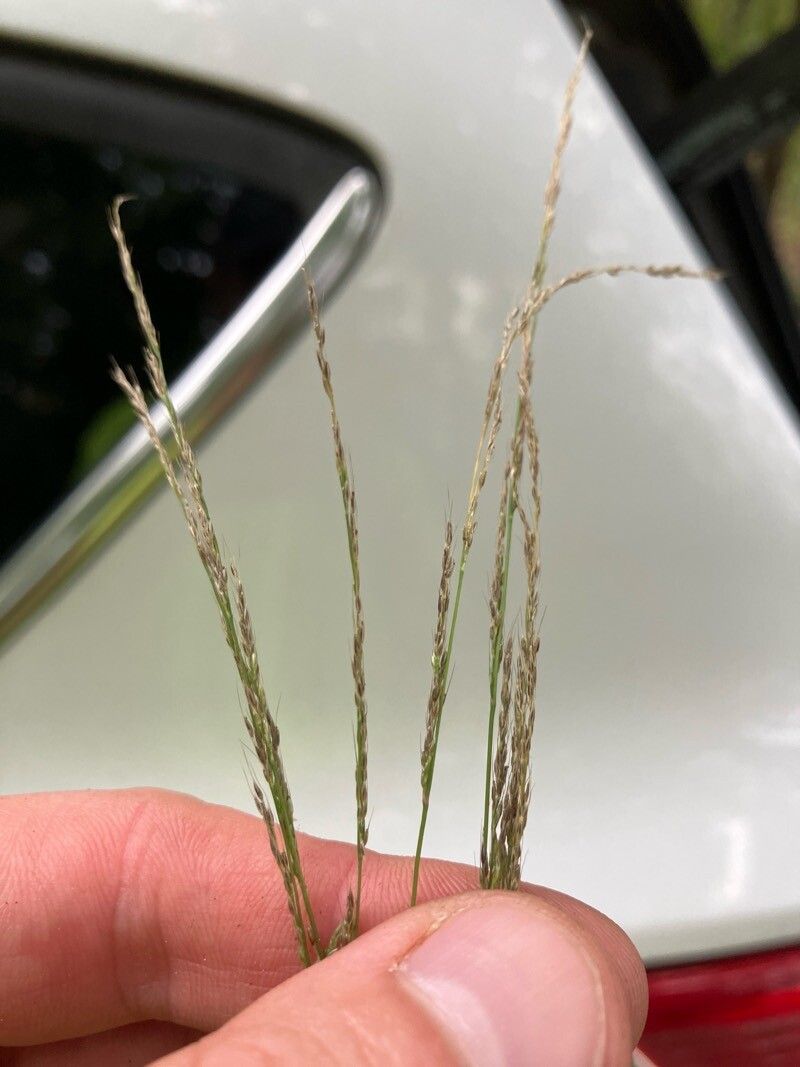
Oh, Muhlenbergia mexicana! If you’re looking for a graceful, tough grass that dances in the breeze, you’ve come to the right place. This beauty, often called Mexican Muhly or Mexican Lovegrass, brings such a lovely texture to any garden. Its airy plumes are just stunning, especially when they catch the sunlight. And you know what’s even better? Growing more of them yourself! Propagating this grass is incredibly rewarding, and honestly, it’s quite beginner-friendly once you know a few tricks. You’ll be surprising your friends with little clumps of this prairie delight in no time.
The Best Time to Start
For Muhlenbergia mexicana, the sweet spot for propagation is really in the late spring or early summer. Think about when the grass is really starting to put on its growth spurt. This is when it has the most energy to put into developing those lovely roots. You can also try division in the early fall, as long as you give the new plants enough time to establish before the really cold weather sets in.
Supplies You’ll Need
Gathering your supplies beforehand makes the whole process smooth sailing. Here’s what I’ve found works best:
- Sharp Pruning Shears or a Clean Knife: For making nice, clean cuts.
- Small Pots or Seed Trays: Whatever suits the size of your cuttings.
- Well-Draining Potting Mix: I like to use a mix of equal parts potting soil and perlite, or even a specialized cactus and succulent mix. These grasses don’t like wet feet.
- Rooting Hormone (Optional but Recommended): A little boost can go a long way. I usually use a powder form.
- Watering Can or Spray Bottle: For gentle watering.
- Plastic Bags or a Humidity Dome: To keep your cuttings moist.
- A Dibber or Pencil: For making holes in the soil.
Propagation Methods
Muhlenbergia mexicana is wonderfully adaptable, and you have a couple of great ways to get new plants.
Division: The Most Reliable Way
This is my go-to method for grasses like Muhlenbergia. It’s straightforward and usually yields the best results.
- Dig Carefully: Gently dig up the entire plant. You want to get as much of the root ball as possible.
- Inspect the Clump: Look at the base of the grass. You’ll see where new growth is emerging from the established root system.
- Separate Gently: With your hands or a trowel, carefully pull apart sections of the plant. Aim for divisions that have at least a few shoots and a good chunk of root. If it’s really tough, you can use your sharp knife or shears to cut through the root ball, ensuring each piece has roots.
- Replant Immediately: Pot up your new divisions into your well-draining soil. Water them in well and keep them in a spot that gets some sun but isn’t blazing hot.
Stem Cuttings: A Bit More Patience
This method requires a bit more finesse, but it’s so satisfying when it works!
- Select Healthy Stems: Choose vigorous, upright stems from a healthy plant. Look for stems that are semi-hardwood – not too soft and green, but not completely woody either.
- Make the Cut: Using your sharp shears, cut a stem about 4-6 inches long. Make the cut just below a leaf node (where a leaf attaches to the stem).
- Prepare the Cuttings: Gently strip off the lower leaves, leaving only the top few leaves. If the leaves are very large, you can even snip them in half to reduce water loss.
- Dip in Rooting Hormone: Lightly dip the cut end of the stem into rooting hormone, tapping off any excess.
- Plant the Cuttings: Make little holes in your potting mix with a dibber or pencil and insert the prepared cuttings. Gently firm the soil around them.
- Water and Cover: Water the soil gently. Then, cover the pots with a plastic bag or place them under a humidity dome to keep the humidity high.
The “Secret Sauce” (Pro Tips)
Here are a couple of things I’ve learned over the years that really help make your propagation efforts successful:
- Don’t Let the Leaves Touch the Water (for stem cuttings): If you ever go the water propagation route (though I find it less reliable for grasses), make sure only the stem is submerged. Any leaves that rot in the water will do more harm than good.
- Bottom Heat is Your Friend: For stem cuttings, placing your pots on a heat mat can significantly speed up root development. It mimics that lovely warmth of the growing season and really gives those root cells a kick-start.
Aftercare & Troubleshooting
Once your Muhlenbergia mexicana divisions or rooted cuttings are established, they’ll appreciate a bit of care.
- Keep Them Moist (but not soggy): Water them regularly, especially during the first few weeks. The soil should feel consistently moist, but you shouldn’t be able to wring water out of it.
- Provide Light: Give them bright, indirect light. Once they’re clearly growing and showing new shoots, you can gradually introduce them to more direct sun.
- Look for Signs of Trouble: The biggest culprit is usually rot. If your cuttings look limp, mushy, or turn black at the base, they’ve likely rotted. This is often due to overwatering or poor drainage. If a division looks sad, ensure it’s not drying out, but also that it’s not sitting in water. Sometimes, just giving them a bit more time and consistent moisture is all they need to bounce back.
A Encouraging Closing
Growing new plants is such a joy, and Muhlenbergia mexicana is a fantastic one to start with. Don’t be discouraged if your first attempt isn’t perfect. Gardening is all about learning and trying. Be patient, observe your new plants, and celebrate each little success. Happy propagating!
Resource:
https://identify.plantnet.org/k-world-flora/species/Muhlenbergia%20mexicana%20(L.)%20Trin./data