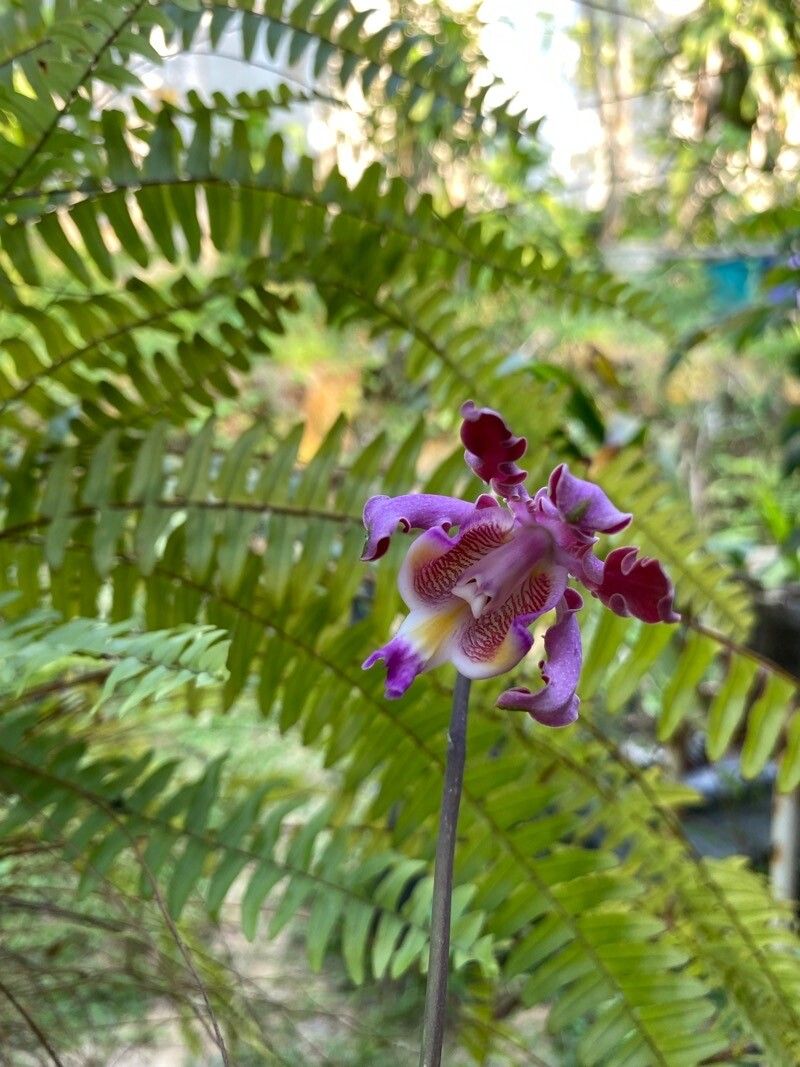
Oh, hello there! Come on in, pull up a chair. I’ve got a fresh pot of coffee brewing, and I’m just itching to talk about one of my favorite plants: Myrmecophila tibicinis. You know, the one with those gorgeous, trumpet-shaped blooms and the fantastic, bulbous pseudobulbs. They really add a dramatic flair to any collection, don’t they?
Propagating these beauties can feel a little daunting at first, but trust me, once you get the hang of it, it’s incredibly rewarding. You end up with more of these stunners to enjoy, or perhaps to share with fellow plant enthusiasts. Now, I’ll be honest, Myrmecophila tibicinis isn’t the easiest orchid for a complete beginner to propagate, but with a little patience and following these steps, I think you’ll find it quite manageable.
The Best Time to Start
For these magnificent creatures, you’ll have the most success beginning your propagation efforts when the plant is actively growing. That typically means late spring or early summer. You want to propagate from healthy, mature pseudobulbs that have already experienced at least one growth cycle. This gives the new cuttings the best chance of success.
Supplies You’ll Need
Having the right tools makes all the difference. Here’s what I usually gather:
- Sharp, sterile pruning shears or a clean knife: You want clean cuts to prevent disease. I like to use rubbing alcohol to sterilize mine between cuts.
- Well-draining orchid potting mix: A blend of bark, perlite, and charcoal is ideal. You can also find specific Myrmecophila mixes.
- Small pots or community trays: Something to pot your new divisions into.
- Rooting hormone (optional, but recommended): A product containing IBA can give your cuttings a helpful boost.
- Sphagnum moss: Great for creating a humid environment for cuttings.
- Clear plastic bags or a propagation box: To maintain humidity.
- Water: Clean, room-temperature water.
Propagation Methods: Division is Key
Myrmecophila tibicinis are best propagated through division. They naturally grow in clumps, and separating these mature pseudobulbs will give you new plants.
- Prepare Your Plant: Gently remove your Myrmecophila from its pot. If it’s mounted, un-mount it carefully. You want to be able to see the rhizome and the base of the pseudobulbs clearly.
- Identify Division Points: Look for where the pseudobulbs naturally split or form distinct groups. Each new division should have at least two or three mature pseudobulbs attached to a healthy section of the rhizome. The more mature pseudobulbs, the better the chances of survival.
- Make the Cut: Using your sterilized shears or knife, make a clean cut through the rhizome between the pseudobulbs. Be brave, but also be precise. Try to avoid damaging the pseudobulbs themselves.
- Potting the Divisions: If you’re using pots, fill them with your orchid mix. Gently place each division into the pot, ensuring the pseudobulbs are facing upwards and the rhizome is nestled into the mix. You want the base of the pseudobulbs to be slightly above the potting mix surface for good air circulation.
- For Mounted Cuttings: If you prefer to mount your divisions, secure them to a piece of tree fern or cork bark using fishing line or orchid wire. Make sure the rhizome is snug against the mount.
The “Secret Sauce” (Pro Tips)
- Don’t Overwater Early On: This is crucial! New divisions don’t have established root systems, so they can easily rot with too much moisture. Water sparingly at first, only when the potting mix is nearly dry.
- Give Them a Cozy Home: After potting or mounting, I like to place my new divisions in a dedicated propagation area. This could be a humid greenhouse, a terrarium, or even using a clear plastic bag to create a mini-environment. This helps retain moisture and encourages root development. Just be sure to air it out daily for a few minutes to prevent fungal issues.
- The Power of Patience (and a Little Light): Don’t expect instant results. It can take several weeks, even months, for new roots to emerge. Keep them in a spot with bright, indirect light. Avoid direct sun, which can scorch delicate new growth.
Aftercare & Troubleshooting
Once you start seeing new roots emerging (hooray!), you can gradually increase watering. Water when the potting medium starts to dry out. Continue to provide good air circulation.
The most common problem you might encounter is rot. If you see a pseudobulb turning mushy and black, it’s likely rot. Unfortunately, this is usually fatal for that particular piece. Prevention through good air flow and careful watering is your best defense. Another sign of trouble is wilting or shriveling pseudobulbs without any signs of root growth, which can indicate they aren’t getting enough moisture or are struggling to establish.
A Encouraging Closing
See? It’s not so bad, is it? Remember, gardening is a journey, and propagation is a beautiful part of that. Be patient with your new Myrmecophila tibicinis divisions. Give them time and the right conditions, and you’ll be rewarded with more of these delightful orchids to admire. Happy propagating!
Resource: