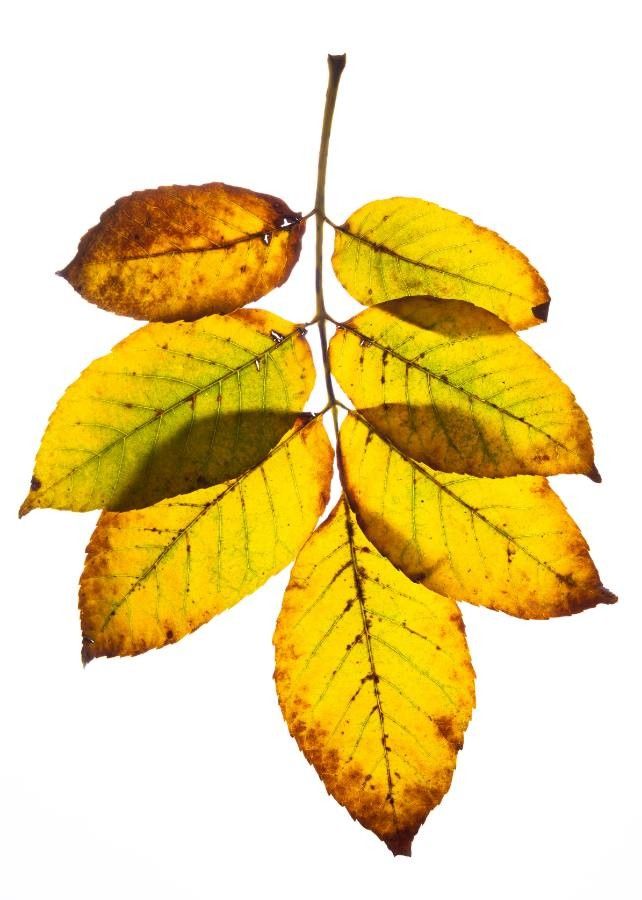
A Little Tree’s Big Promise: Bringing More Berlandier Ash into Your Garden
There’s something deeply satisfying about creating new life from an existing plant. And when it comes to Fraxinus berlandieriana, our beloved Mexican Ash with its graceful form and lovely shade, that satisfaction is amplified. Watching a tiny cutting unfurl its first leaves or a seed sprout is a gardening triumph, a tangible connection to nature’s persistence. Now, you might be wondering if this handsome tree is a good candidate for your busy schedule and beginner’s luck. I’d say it’s moderately easy, with a little patience and the right approach. It’s a rewarding endeavor for anyone eager to expand their green collection.
When to Make Your Move: The Timing is Everything
For Fraxinus berlandieriana, the early spring is your golden window. This is when the plant is bursting with new growth, full of vigor, and its tissues are most pliable and receptive to rooting hormones (if you choose to use them). Think of it as catching the tree at its energetic peak. Waiting until after the initial flush of spring growth has slightly hardened off, but before the heat of summer really sets in, is also a good strategy.
Your Propagation Toolkit: Let’s Gather Our Gear
Before we dive in, let’s make sure you have everything you need to set yourself up for success.
- Sharp Pruning Shears or a Knife: Clean cuts are crucial for preventing disease.
- Rooting Hormone (Optional, but Recommended): A little boost can go a long way. Look for one formulated for woody cuttings.
- Well-Draining Potting Mix: A blend of peat moss, perlite, and coarse sand works wonders. You want it to hold some moisture but drain freely.
- Small Pots or Trays: Clean pots are a must! I like to use propagation trays with clear lids.
- Plastic Bags or a Humidity Dome: To keep the moisture levels high around your cuttings.
- Dibber or Pencil: For making planting holes.
- Watering Can with a Fine Rose: To water gently without disturbing your new propagations.
- Labels: Trust me, you’ll thank yourself later for labeling what you’ve planted and when!
The Path to New Beginnings: Propagation Methods
The most reliable way to propagate Fraxinus berlandieriana is through stem cuttings. Seeds can be a bit more unpredictable and take much longer.
-
Taking Your Cuttings: In early spring, select healthy, vigorous stems from the current season’s growth. Look for stems that are pencil-thick and have just reached the semi-hardwood stage – they’ll snap if you try to bend them too sharply, but they won’t be woody and rigid. Take cuttings that are about 6-8 inches long. Using your sharp shears or knife, make a clean cut just below a leaf node (where a leaf attaches to the stem).
-
Preparing the Cuttings: Gently remove the leaves from the bottom half of the cutting. You can leave a couple of leaves at the top to help with photosynthesis. If your cuttings are large, you might consider cutting the remaining leaves in half horizontally to reduce water loss through transpiration.
-
Applying Rooting Hormone (Optional): Dip the cut end of each cutting into your rooting hormone. Tap off any excess. This step really encourages root development.
-
Planting Your Cuttings: Moisten your potting mix. Using a dibber or pencil, make holes in the potting mix in your pots or trays. Insert the prepared cuttings into these holes, ensuring at least two leaf nodes are buried in the soil. Gently firm the soil around the base of each cutting.
-
Creating a Humid Environment: Water the soil thoroughly but gently. Now, cover your pots or trays. You can use clear plastic bags that you secure loosely over the pots (making sure the leaves don’t touch the plastic) or use propagation trays with clear lids. This creates a mini-greenhouse effect, keeping the humidity high, which is essential for cuttings that can’t yet absorb water through roots.
The “Secret Sauce”: My Insider Tips
After years of coaxing plants into existence, I’ve picked up a few tricks that seem to make all the difference.
- Bottom Heat is Your Friend: If you have access to a propagation mat or a warm spot that gets gentle heat from below, use it! Consistent warmth from the base of your cuttings can significantly speed up root formation. Just make sure it’s not too hot, or you’ll cook your efforts.
- Don’t Overwater: This is probably the most common mistake. While humidity is key, waterlogged soil is a recipe for rot. Let the top inch of soil dry out slightly between waterings. The plastic cover will help retain moisture, so you won’t need to water as frequently as you might think.
- Patience with the “Snap Test”: Once your cuttings have been in their humid environment for several weeks, you can carefully tug very gently on a cutting to see if there’s resistance. If you feel a slight tug-back, new roots are forming! Don’t pull them out entirely, though; just a gentle nudge will give you a clue.
Nurturing Your New Sprouts: Aftercare and Troubleshooting
Once you see signs of rooting – maybe a new leaf unfurling or that gentle resistance when tugged – it’s time to start acclimatizing your new ash. Gradually increase ventilation by opening the plastic bag or dome for longer periods over a week or two. This helps them adjust to drier air. Continue to keep the soil consistently moist but not soggy.
If things aren’t going as planned, don’t despair! Mushy stems, blackening at the base, or a general wilting that doesn’t recover after watering are often signs of rot, usually caused by overwatering or poor drainage. Discard any affected cuttings. Sometimes, cuttings just don’t take, and that’s part of the learning process.
The Green-Thumb Way Forward: Keep Growing!
Propagating Fraxinus berlandieriana is a beautiful journey. It’s a chance to connect with the life cycle of this lovely tree and to fill your garden with more of its charm. Be patient, observe your cuttings, and celebrate every little victory. Happy propagating!
Resource:
https://identify.plantnet.org/k-world-flora/species/Fraxinus%20berlandieriana%20A.DC./data