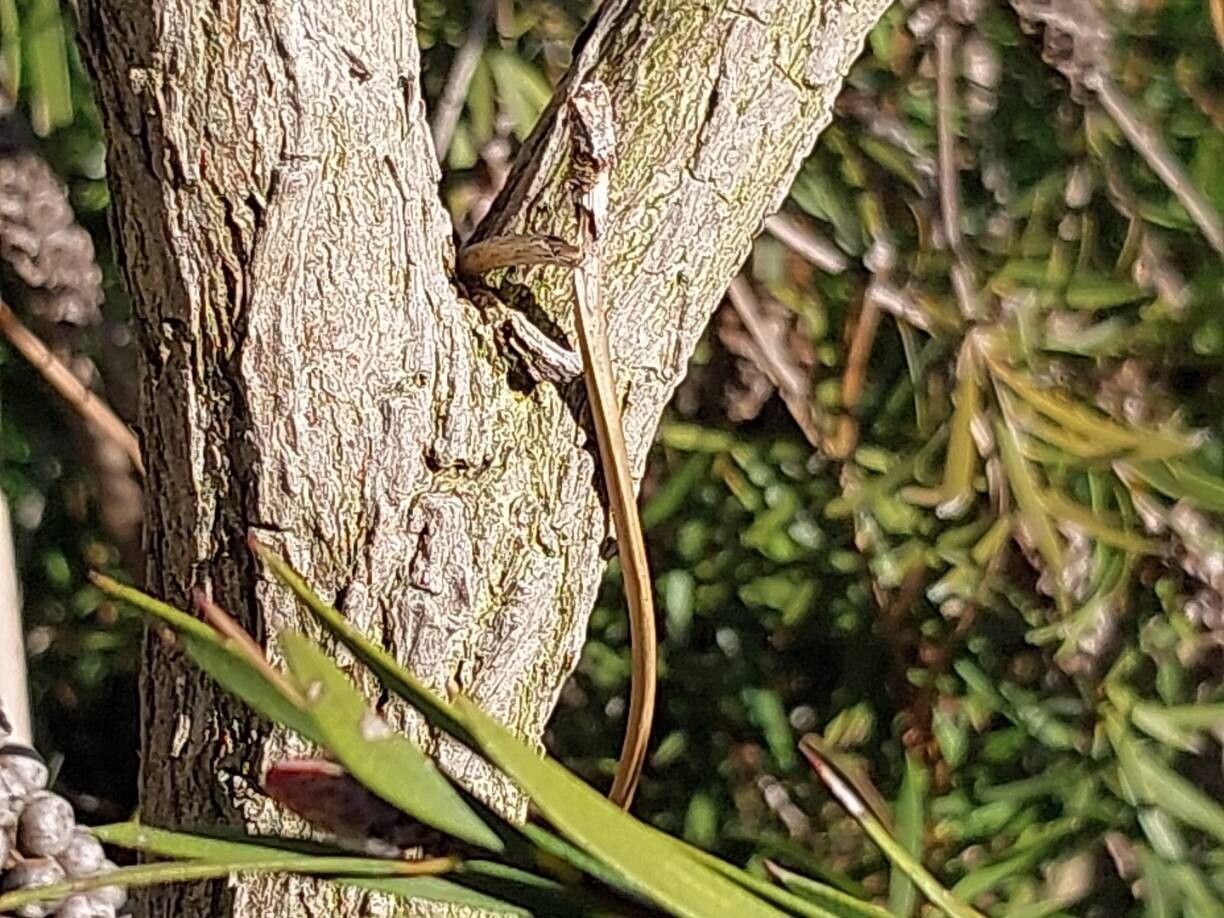
Oh, hello there! Grab a mug, make yourself comfortable. Today, we’re going to talk about a plant that truly brings a special kind of magic to the garden: Melaleuca paludicola, often called the Native Willow. If you’ve ever admired its weeping habit and delicate, creamy bottlebrush flowers, you’re in for a treat. Propagating your own from cuttings is incredibly rewarding, and honestly, it’s not as daunting as it might seem. Even for beginners, this one can be quite forgiving.
The Best Time to Start
For Melaleuca paludicola, I’ve found the absolute sweetest spot to be late spring or early summer. This is when the plant is really in its active growth phase, pushing out lots of new, tender shoots. These are the best kind to take cuttings from – they’re full of vigor and have a higher chance of rooting successfully. Think of it as capturing that fresh spring energy!
Supplies You’ll Need
Gathering your tools beforehand makes the whole process so much smoother. You’ll want:
- Sharp Pruning Shears or a Craft Knife: Cleanliness is key here.
- Rooting Hormone: A good quality powder or gel will boost your success rate.
- A Light, Well-Draining Potting Mix: I like a blend of perlite, coarse sand, and a bit of peat or coco coir. Avoid anything too heavy.
- Small Pots or Trays: Choose ones that are about 4-6 inches deep. Drainage holes are a must!
- Plastic Bags or a Propagator: This will create a humid little greenhouse.
- Labels and a Permanent Marker: Trust me, you’ll thank yourself later.
- A Watering Can with a Fine Rose: For gentle watering.
Propagation Methods: Stem Cuttings
This is my go-to method for Melaleuca paludicola, and it’s generally the most effective.
- Select Your Cuttings: Look for healthy, non-flowering stems that are about 4-6 inches long. They should be semi-hardwood – meaning they’re not super floppy and green but not woody and old either. Gently bend one; it should snap cleanly rather than just bend.
- Prepare the Cuttings: Using your clean shears or knife, make a clean cut just below a leaf node (where a leaf attaches to the stem). This is where rooting is most likely to occur.
- Remove Lower Leaves: Strip off the leaves from the bottom two-thirds of the cutting. This prevents them from rotting in the soil and encourages root development. You can leave a few leaves at the very top to help the cutting photosynthesize.
- Apply Rooting Hormone: Dip the cut end of the stem into your rooting hormone, making sure it’s coated. Tap off any excess.
- Plant Your Cuttings: Fill your pots with your prepared potting mix. Make a small hole with your finger or a pencil, and gently insert the cutting. Firm the soil around it so it’s snug. I usually plant 3-4 cuttings per pot, spaced a few inches apart.
- Water Gently: Water thoroughly but gently, ensuring the soil is moist but not waterlogged.
- Create the Greenhouse Effect: Cover the pot loosely with a plastic bag, or place it in a propagator. Make sure the leaves don’t touch the plastic if possible – this can encourage rot. Elevating the leaves with a small stake helps.
The “Secret Sauce” (Pro Tips)
Here are a few little tricks I’ve picked up over the years that can make a big difference:
- Bottom Heat is Your Friend! If you can, place your pots on a gentle heat mat. This slight warmth encourages root growth from below, significantly speeding up the process and often leading to stronger roots.
- Don’t Be Afraid to Mist: Once the cuttings are in their “greenhouse,” give them a light misting of water every couple of days. This keeps the humidity high and helps prevent the leaves from drying out before roots develop.
- Headed the Best: For the absolute best success, take your cuttings in the morning after the dew has dried. The plant is most hydrated then, and the stems are less likely to wilt too quickly.
Aftercare & Troubleshooting
Once you see those little roots peeking out from the drainage holes (hooray!), it’s time for patience and a shift in how you care for them.
Gently transition your new plants to slightly less humid conditions over a week or so. Water them carefully when the top inch of soil feels dry. Avoid direct, scorching sun; bright, indirect light is perfect.
The most common issue you’ll encounter is stem rot. If a cutting turns black and mushy, it’s usually a sign of too much moisture and not enough air circulation, or perhaps it just wasn’t destined to be. Don’t despair if a few don’t make it; that’s part of the learning process! Remove any rotted cuttings immediately to prevent it from spreading.
A Encouraging Closing
Propagating plants is a journey, and there are always lessons to be learned with each attempt. Be patient with your Melaleuca cuttings, give them the right conditions, and enjoy the satisfying feeling as you watch tiny roots emerge and your new plants begin to flourish. Happy growing, my friends!
Resource:
https://identify.plantnet.org/k-world-flora/species/Melaleuca%20paludicola%20Craven/data