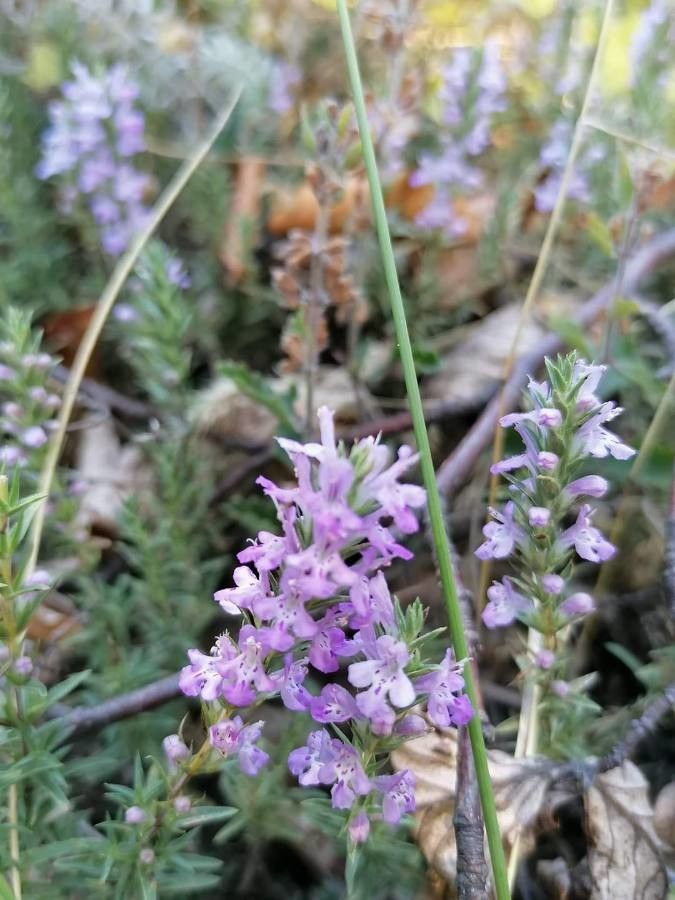
Hello, fellow garden enthusiasts! Today, we’re diving into the wonderful world of Satureja coerulea, also known as Blue Savory. If you love herbs with a delightful fragrance and a subtle, peppery note in your cooking, then this plant is for you. Plus, its pretty cerulean blue flowers add a touch of charm to any garden. Getting more of this beauty for yourself is incredibly rewarding, and I promise, it’s not as daunting as it might seem. In fact, I find Satureja coerulea to be quite a forgiving plant, making it a lovely project for beginners and seasoned gardeners alike.
The Best Time to Start
For the best chance of success with propagating Blue Savory, I always recommend starting in late spring or early summer. This is when the plant is actively growing and has plenty of energy to put into developing new roots. You’re looking for stems that are not too young and floppy, but also not old and woody. Think of it as hitting that sweet spot – slightly stiff but still pliable.
Supplies You’ll Need
Gathering your supplies beforehand makes the process so much smoother. Here’s what I usually have on hand:
- Sharp pruning shears or a clean knife: For taking clean cuts.
- Rooting hormone (optional, but recommended): Helps speed up the root development.
- Small pots or seed trays: Clean ones are crucial to prevent disease.
- A good quality potting mix: I prefer a blend that’s well-draining. A good starting point is potting soil mixed with perlite or coarse sand (about 50/50). If you want to get fancy, a seed-starting mix works wonderfully too.
- Watering can or spray bottle: For gentle watering.
- A plastic bag or propagation dome: To create a humid environment.
Propagation Methods
We’ll focus on stem cuttings, as it’s the most reliable and straightforward way to multiply your Blue Savory.
- Take Your Cuttings: Choose healthy, non-flowering stems. Using your sharp shears or knife, take cuttings that are about 4-6 inches long. Make the cut just below a leaf node (where a leaf attaches to the stem). This is where root development is most likely to occur.
- Prepare the Cuttings: Gently remove the lower leaves from your cuttings, leaving just the top few leaves. If the leaves are large, you can even cut them in half to reduce water loss.
- Apply Rooting Hormone (Optional): If you’re using rooting hormone, dip the cut end of each stem into the powder. Give it a gentle tap to remove any excess.
- Plant Your Cuttings: Fill your pots or trays with your prepared potting mix. Make a small hole in the center with your finger or a pencil. Insert the cut end of your stem cutting into the hole, ensuring at least one leaf node is below the soil surface. Gently firm the soil around the cutting.
- Water Gently: Water your cuttings thoroughly but gently. The goal is to moisten the soil without washing the cuttings away. A spray bottle is excellent for this initial watering.
- Create Humidity: This is key! Cover your pots with a plastic bag or a propagation dome. Make sure the plastic isn’t touching the leaves too much; you can prop it up with small stakes if needed. This creates a mini greenhouse effect, keeping the humidity high which is vital for cuttings.
- Place in Bright, Indirect Light: Find a spot for your cuttings that receives bright, indirect light. Avoid direct sunlight, which can scorch the delicate new growth.
The “Secret Sauce” (Pro Tips)
Here are a couple of things I’ve learned over the years that can make a big difference:
- Don’t let the leaves touch the water: If you choose to water propagate (a more advanced method, but possible!), ensure the leaves are never submerged. They’ll just rot. Only the stem end should be in the water, and change the water regularly. Honestly, for Satureja coerulea, soil propagation is usually easier and more successful.
- Consider bottom heat: If you have a heating mat designed for seedlings, placing your pots on top of it can really encourage root growth. The gentle warmth stimulates the plant from below, giving your cuttings an extra boost. You don’t need it to be hot, just consistently warm.
Aftercare & Troubleshooting
Once your cuttings have been in their humid environment for a few weeks, gently tug on a stem. If you feel resistance, that’s a good sign roots are forming!
- Acclimatize: Once you see new leaf growth, it’s time to start acclimatizing them to less humid conditions. Gradually lift the plastic bag or open vents on your dome for a few hours each day over a week.
- Repotting: When the new plants have a robust root system (you might see roots peeking out of the drainage holes), they’re ready to be potted up into their own small pots. Continue to keep them in bright, indirect light and water when the top inch of soil feels dry.
- Troubleshooting: The most common issue you’ll face is rot. This usually happens when there’s too much moisture and not enough air circulation. If you see stems turning mushy or black, unfortunately, that cutting is likely lost. Remove it immediately to prevent it from affecting others. Overwatering is the usual culprit, so ensure your soil drains well and don’t drown your cuttings.
A Encouraging Closing
Growing new plants from cuttings is such a satisfying journey. Be patient with your cuttings; sometimes, it takes a little longer than you expect! Don’t be discouraged if not every single one takes. Gardening is all about observation and learning. Enjoy the process, watch those little roots develop, and soon you’ll have a whole patch of fragrant Blue Savory to enjoy. Happy propagating!
Resource:
https://identify.plantnet.org/k-world-flora/species/Satureja%20coerulea%20Janka/data