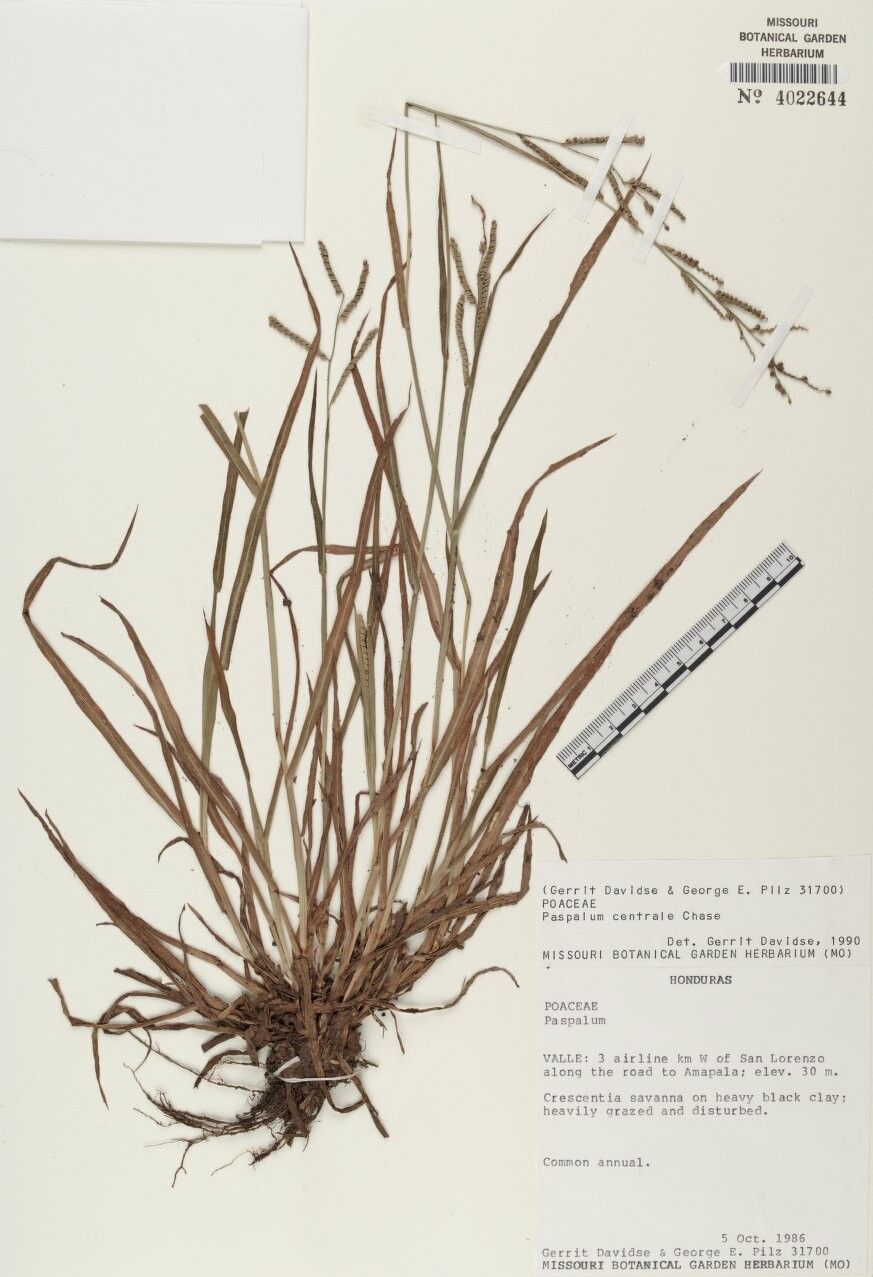
Oh, hello there! Come on in, grab a mug. Today, we’re diving into something truly special, a little bit of green magic you can unlock yourself. We’re talking about propagating Paspalum centrale, also known as Australian beach grass or, more charmingly, as the one with those delightfully fuzzy seed heads.
Why You’ll Love Propagating Paspalum Centrale
This grass has such a unique, soft appeal. Those lovely, fluffy plumes can add such a gentle texture to any garden space, and they’re surprisingly tough. What’s even better? Propagating it yourself is a fantastic way to fill your garden with more of this beauty without spending a dime. Don’t worry if you’re new to this; Paspalum centrale is quite forgiving, making it a wonderful plant for beginners looking to test their propagation skills. It’s incredibly rewarding to watch a tiny piece of your favorite plant grow into its own full specimen.
When is the Magic Time to Start?
The absolute best time to start propagating Paspalum centrale is during its active growing season. For most of us, this means late spring through early summer. The plant is brimming with energy then, and new shoots are readily available. You can also have success with division in early autumn, just as things start to cool down but before a hard frost hits.
Gathering Your Garden Toolkit
Before we get our hands dirty, let’s make sure we have everything ready. Here’s what you’ll want to have on hand:
- Sharp Pruning Shears or a Clean Knife: For making clean cuts.
- A Well-Draining Potting Mix: I like to use a mix of perlite, peat moss, and a bit of compost. Your favorite succulent or cactus mix works wonders too.
- Small Pots or Seed Trays: Clean containers are key to preventing disease.
- Rooting Hormone (Optional but helpful): A powdery or gel type works fine.
- Watering Can with a Fine Rose: To gently water your new cuttings.
- Plastic Bags or a Clear Dome: To create a humid environment.
- Labels: So you don’t forget what you’ve planted where!
Ways to Multiply Your Paspalum Centrale
There are a couple of very straightforward ways to get more Paspalum centrale. My personal favorite is division, but stem cuttings are also a good option.
Method 1: Division – The Easy Peasy Way
This is my go-to method for Paspalum centrale. It’s simple and usually yields multiple new plants from one.
- Excavate with Care: Gently dig up the entire clump of your established Paspalum centrale. You can do this in late spring or early autumn.
- Tease Apart: Once the plant is out of the ground, gently shake off excess soil. You want to expose the root system. Now, carefully separate the clump into smaller sections. Most of the time, you can simply pull the sections apart with your hands, ensuring each section has roots and a few healthy shoots. If it’s a bit stubborn, a clean trowel or knife can help, but be gentle!
- Repotting: Plant each divided section into its own pot filled with your well-draining potting mix. Make sure the crown of the plant (where the shoots emerge from the roots) is at soil level.
- Water Wisely: Water thoroughly to settle the soil. Keep the newly potted divisions in a well-lit spot, but out of direct, harsh sun for the first week or two.
Method 2: Stem Cuttings – For the Adventurous Gardener
This method is good if you want to start smaller or if your existing plant is a bit too precious to divide just yet.
- Snip with Purpose: During the growing season (late spring/early summer), select healthy, non-flowering stems. Use your sharp shears to cut a piece about 4-6 inches long.
- Prepare the Cutting: Remove the lower leaves, leaving just a few at the very top. If the stem has any fuzzy seed heads, remove those too. Optional: Dip the cut end into rooting hormone.
- Plant it Up: Fill a small pot with your well-draining mix. Make a small hole in the center with your finger or a pencil. Gently insert the cutting, ensuring the nodes (where leaves were removed) are below the soil surface, as this is where roots will form. Lightly firm the soil around the cutting.
- Create a Humid Haven: Water gently, and then cover the pot with a clear plastic bag or a clear dome. This keeps the humidity high, which is crucial for cuttings. Poke a few small holes in the bag for air circulation, or lift the dome daily for a quick airing. Place the pot in a bright, indirect light location.
The “Secret Sauce” from My Garden
After years of trying (and sometimes failing!), I’ve learned a few tricks that really seem to help Paspalum centrale get a good start.
- Bottom Heat is Your Friend: For stem cuttings, especially, I find that placing the pot on a seedling heat mat makes a huge difference. It encourages root development from below, giving those little cuttings a real boost.
- Don’t Drown Your Cuttings: While humidity is key, overwatering is the quickest way to invite rot. Make sure your potting mix is only damp, not soggy. If you see water pooling on the surface, you’ve likely watered too much.
- Be Patient with Division: When dividing, sometimes a piece looks a little sad at first. Don’t give up on it! As long as it has roots and isn’t completely dried out or rotting, give it a week or two in the right conditions. It might just surprise you with new growth.
Aftercare and When Things Go Wrong
Once your new Paspalum centrale starts showing signs of life – new shoots appearing or resisting a gentle tug – you’re on your way! Gradually acclimate cuttings to normal room humidity by slowly opening the plastic bag or lifting the dome over a few days. Continue to water when the top inch of soil feels dry, and keep them in that bright, indirect light.
Now, what if things don’t go as planned? The most common issue you might face is rot. If a cutting turns brown, mushy, and falls over, it’s likely rot. This usually happens from too much moisture and not enough airflow. You can try to salvage it by cutting away the rotted part and repotting the healthy bit in fresh, dry soil, but often, it’s best to start again. For divisions, if a section looks completely dead, it probably is. Just focus on the ones that show signs of life.
Happy Gardening and Happy Propagating!
Propagating plants is a journey, and sometimes it involves a few stumbles. But with Paspalum centrale, you’ve got a wonderfully resilient plant on your side. Be patient, enjoy the process of nurturing something new, and soon you’ll have even more of those beautiful, fuzzy plumes to adorn your garden. Happy growing!
Resource:
https://identify.plantnet.org/k-world-flora/species/Paspalum%20centrale%20Chase/data