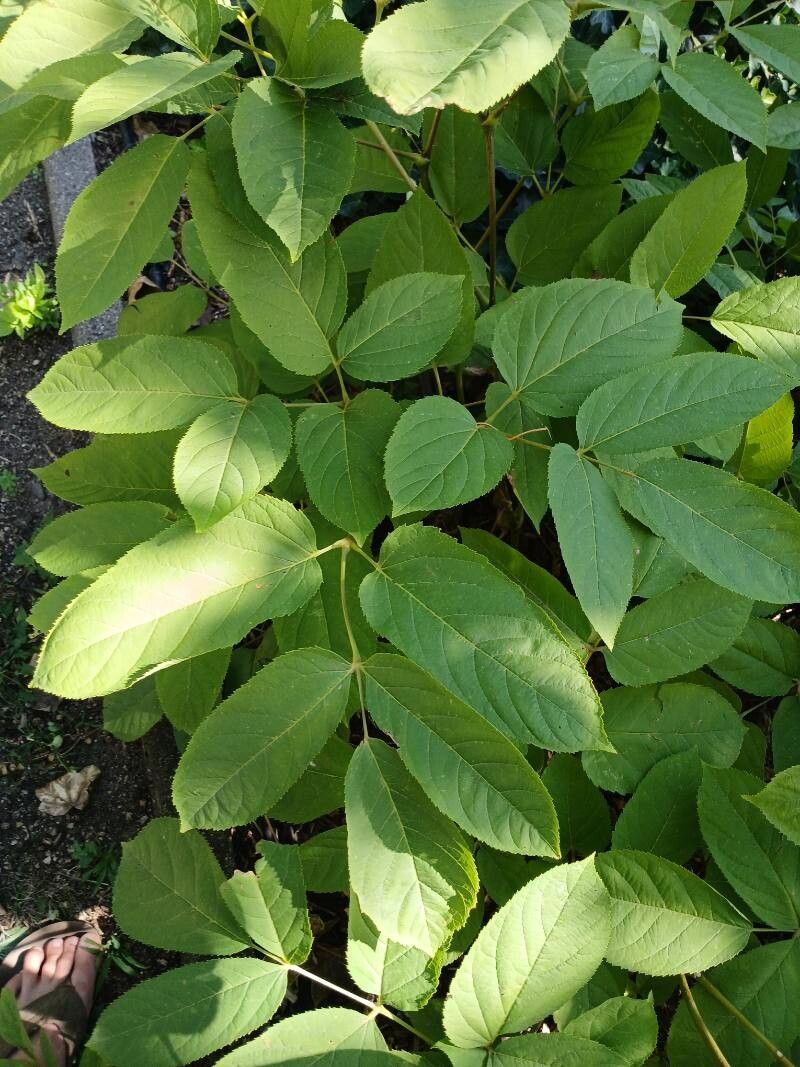
Oh, hello there! Grab a mug of something warm. I’m so excited to talk about Aralia racemosa today. If you’re looking for a plant that adds a bit of woodland charm and a touch of the wild to your garden, this is it. Also known as Spikenard, it’s got these gorgeous, arching stems with delicate white flowers that later turn into deep purple berries. It’s a real showstopper, and honestly, propagating it yourself feels like unlocking a little secret, which is exactly why I love it. Now, as for beginners? It’s not the easiest plant out there, but with a little know-how and patience, I promise you can absolutely do it.
The Best Time to Start
For the best chance of success with Aralia racemosa, I always recommend spring. This is when the plant is gearing up for active growth after its winter rest. You want to catch it in that energetic phase. If you miss spring, the early summer can also work, especially if you’re taking cuttings. Just make sure the plant is well-established and hasn’t been stressed by intense heat.
Supplies You’ll Need
Here’s what you should have on hand before you start:
- Sharp pruning shears or a clean knife: For making clean cuts.
- Rooting hormone (optional but recommended): Helps those little roots form faster.
- Well-draining potting mix: A good mix of peat moss, perlite, and a little bit of compost is perfect. You want it to be airy.
- Small pots or seed trays: Whatever you have that’s suitable for young plants. Make sure they have drainage holes!
- Plastic bags or a humidity dome: To keep those cuttings from drying out.
- Watering can or spray bottle: For gentle watering.
- Labels: So you don’t forget what you planted!
Propagation Methods
There are a couple of ways to go about this, but my go-to for Aralia racemosa is division. It’s generally the most straightforward and highest-yielding method for this particular plant.
Division: My Preferred Method
- Timing is Key: As I mentioned, spring is ideal. Wait until you see new shoots starting to emerge from the soil.
- Gently Excavate: Carefully dig around the base of your established Aralia racemosa. You want to expose the root ball without causing too much damage. Sometimes, you’ll need to dig quite wide since this plant can get substantial.
- Inspect and Divide: Once you can see the root structure, look for natural breaks where you can separate a section of the plant. Each division should have some healthy roots and at least one strong shoot or bud. You might need to use a clean, sharp tool, like a trowel or even your hands, to gently pull apart larger clumps. Be patient here; don’t force it. If a section doesn’t want to separate easily, it might be too young or too integrated with the main plant.
- Replant Immediately: As soon as you have your divisions, pot them up into their new homes. Use your well-draining potting mix. Make sure the base of the shoot is just at soil level.
- Water Well: Give the newly potted divisions a good, thorough watering. This helps settle the soil and encourages root establishment.
While division is my favorite, if you’re feeling adventurous, you can try stem cuttings in early summer. Take a piece of new growth (about 4-6 inches long), dip the cut end in rooting hormone, and plant it in your potting mix. Cover with a plastic bag to maintain high humidity. It’s a bit more finicky with Aralia, and I find division gives you a much better return on your effort.
The “Secret Sauce” (Pro Tips)
You know, after many years in the garden, you start to pick up on little things that make a big difference. For Aralia racemosa propagation, here are a couple of my favorite tricks:
- Don’t Overwater Newly Divided Plants: I know it seems counterintuitive, but freshly divided plants are more prone to rot than established ones. Water them well initially, but then let the soil surface dry out a bit between waterings. Think of it as tempting those new roots to seek out moisture.
- Protect from Harsh Sun: While they love a good spot in the garden, those young divisions or cuttings can be easily scorched by direct, intense sunlight. Place them in a partially shaded location until they show clear signs of new growth. A bright spot, yes, but no beating sun.
Aftercare & Troubleshooting
Once your Aralia racemosa divisions are settled, keep them consistently moist but not soggy. Watch for signs of new growth – that’s your cue that roots are forming! You can gently tug on a plant; if there’s resistance, you’ve got roots.
The main thing to watch out for is root rot. If you see yellowing leaves, wilting that doesn’t improve after watering, or a mushy stem base, it’s likely rot. This is usually a sign of too much moisture and poor drainage. If you catch it early, you might be able to salvage the plant by repotting it in fresh, dry soil, but often it’s too late if it progresses significantly.
If your cuttings fail to root (they get mushy or shrivel up), don’t be discouraged! It just means the conditions weren’t quite right this time. Try again with a different stem or in a slightly different spot.
A Little Encouragement
Propagating plants is such a rewarding journey, and Aralia racemosa is no exception. It takes a bit of patience, a touch of observation, and a whole lot of garden love. Don’t get discouraged if your first attempt isn’t picture-perfect. Every gardener has had plants that didn’t make it. Just keep at it, learn from each experience, and soon you’ll be sharing your own propagated Spikenard with friends and family. Happy gardening!
Resource:
https://identify.plantnet.org/k-world-flora/species/Aralia%20racemosa%20L./data