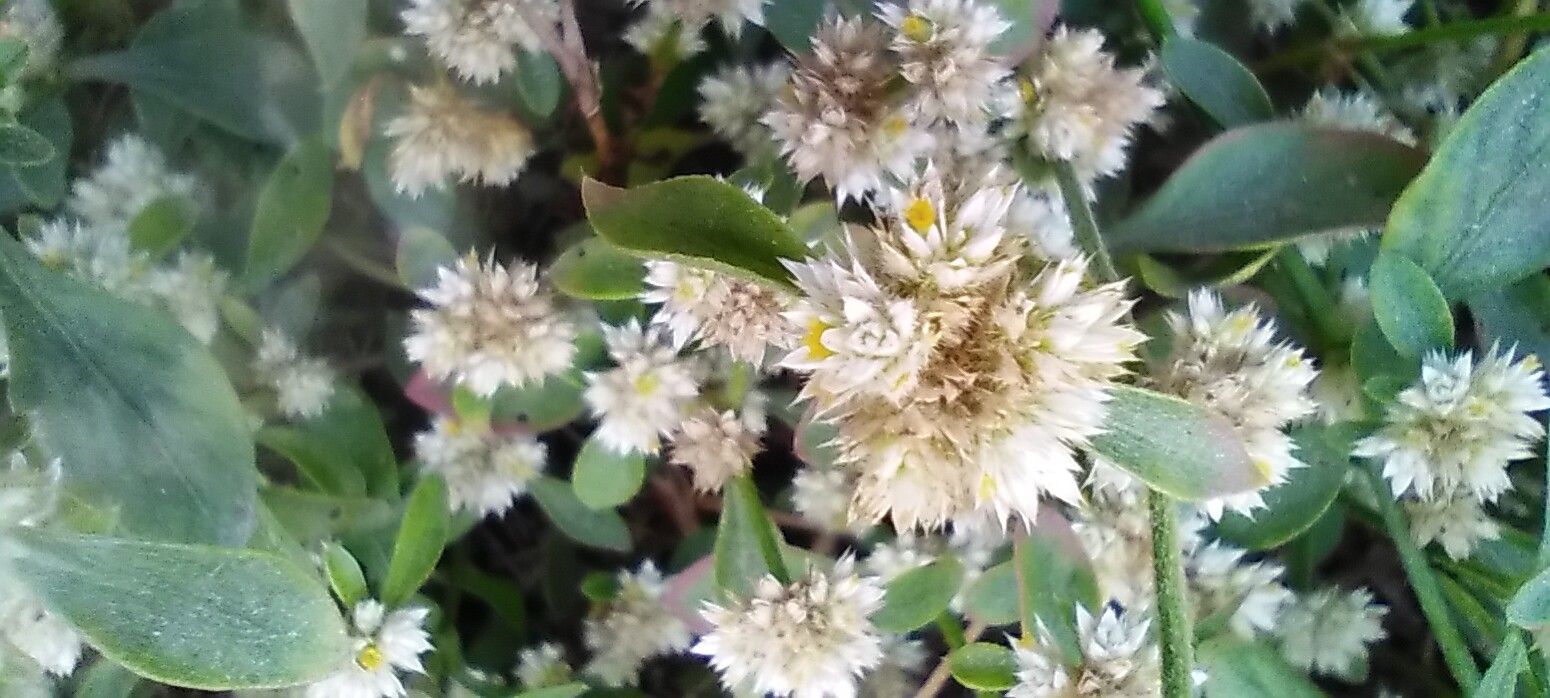
Oh, Alternanthera paronychioides! If you’re looking for a plant with some serious zing, this is it. Its vibrant colors, often in shades of deep red, purple, or even a striking bronzy-orange, can really make a garden pop. It’s a fantastic groundcover or a delightful splash of color in containers. And the best part? Propagating it is wonderfully rewarding, and I’m happy to say, it’s quite beginner-friendly. You’ll be amazed at how easily you can multiply this beauty!
When to Get Started
The sweet spot for propagating Alternanthera paronychioides is during its active growth period. Think late spring through summer. When the plant is actively putting on new growth, it’s full of energy and much more likely to root successfully. You’re essentially tapping into that ‘can-do’ spirit of the plant.
What You’ll Need
Here’s a little kit to get you going. Don’t overthink this; most of it is everyday gardening stuff!
- Sharp Pruning Shears or a Clean Knife: For taking clean cuttings.
- Potting Mix: A light, well-draining mix is key. A blend of peat moss, perlite, and a bit of compost works beautifully. You can also use a commercial seed-starting or potting mix.
- Small Pots or Trays: Clean containers with drainage holes are essential.
- Rooting Hormone (Optional but Recommended): A powdered or gel hormone can give your cuttings a helpful boost.
- Watering Can or Spray Bottle: For gently moistening the soil.
- Plastic Bag or Propagator Lid: To create a humid environment.
Let’s Get Propagating!
There are a couple of really effective ways to multiply your Alternanthera. I find stem cuttings to be the easiest and most reliable.
Method 1: Stem Cuttings
- Take Your Cuttings: Look for healthy, non-flowering stems. Using your sharp shears, cut pieces about 4-6 inches long. Make your cuts just below a leaf node (where a leaf attaches to the stem). This is where the magic of rooting happens.
- Prepare the Cuttings: Gently remove the leaves from the bottom half of each cutting. You want to expose those leaf nodes, as this is where roots will emerge. Leave just a couple of leaves at the top to help with photosynthesis.
- Dip in Rooting Hormone (Optional): If you’re using rooting hormone, dip the cut end of each stem into it, tapping off any excess.
- Plant Your Cuttings: Fill your small pots or trays with the moistened potting mix. Make a small hole with your finger or a pencil, and insert the prepared cuttings, ensuring the lower leaf nodes are below the soil surface. Gently firm the soil around them.
- Create Humidity: Water the soil gently. Then, cover the pots or tray with a clear plastic bag or a propagator lid. This traps moisture and creates the humid environment cuttings love. You can either plant several cuttings in one tray or individually in small pots.
Method 2: Water Propagation (for quick observation)
This method is great for seeing roots appear, but I tend to pot them up fairly quickly.
- Prepare Cuttings: Follow steps 1 and 2 of the stem cutting method.
- Place in Water: Put the prepared cuttings in a glass or jar of clean water.
- Positioning is Key: Make sure no leaves are submerged in the water. Submerged leaves will rot, which is not what you want.
- Change Water Regularly: Change the water every few days to keep it fresh and prevent bacterial growth.
- Pot Up When Ready: Once you see small roots forming (usually within a couple of weeks), it’s time to carefully transplant them into your potting mix.
The “Secret Sauce”
Here are a couple of little tricks I’ve learned over the years that really help boost success rates.
- Bottom Heat is Your Friend: Alternanthera cuttings absolutely adore a bit of warmth from below. If you have a heat mat designed for seedlings, place your pots or trays on it. This encourages roots to develop much faster and can be the difference between success and waiting around.
- Don’t Drown Them! While humidity is crucial, waterlogged soil is a death sentence for cuttings. Ensure your pots have good drainage and only water when the top inch of soil feels dry. Overwatering leads to rot, which is incredibly frustrating.
Aftercare and What to Watch For
Once your cuttings have developed a good root system – you’ll see new leafy growth appearing and feel some gentle resistance when you tug – it’s time to transition them.
- Gradual Acclimatization: If you’ve used a plastic bag, gradually introduce more air by opening the bag for longer periods over a few days. This prevents shock.
- Regular Watering: Water them regularly, allowing the soil to dry slightly between waterings.
- Sunlight: Place them in bright, indirect light. Gradually move them to a sunnier spot as they get stronger.
Troubleshooting: The most common issue you’ll face is rot, which usually stems from too much moisture or poor air circulation. If a cutting looks mushy, black, or slimy, it’s likely rotted and best discarded to prevent it from affecting others. On the flip side, wilting that isn’t immediately corrected by watering might indicate that the cutting just hasn’t rooted yet and is struggling to take up water. Keep them in that humid environment and be patient!
Keep Nurturing!
Propagating plants is a journey of patience and observation. Don’t be discouraged if a few don’t make it; it’s all part of the learning process. Celebrate the successes, enjoy the vibrant colors these new plants will bring, and remember, you’re growing something beautiful with your own two hands. Happy gardening!
Resource:
https://identify.plantnet.org/k-world-flora/species/Alternanthera%20paronychioides%20A.St.-Hil./data