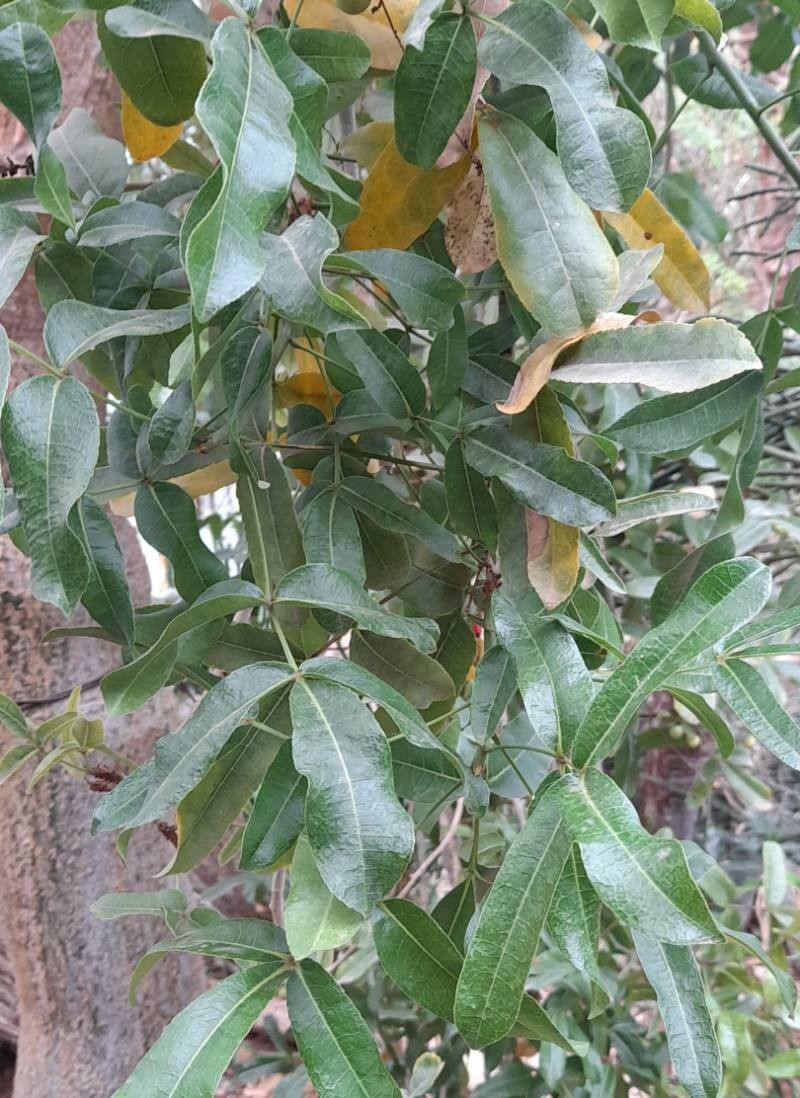
Hello there, fellow plant enthusiasts! Today, we’re diving into the wonderfully aromatic world of Commiphora and specifically, a real gem: Commiphora aprevalii. You might know it by its common name, the Balsam tree, or perhaps the fragrant resin it yields. Its appeal lies in its unique form, often a beautiful sculptural trunk, and the intoxicating aroma that drifts from its leaves when brushed. And let me tell you, coaxing a new life from a piece of this beauty? That’s a deeply satisfying gardening accomplishment. Is it for absolute beginners? Honestly, I’d say it’s more of a rewarding challenge, but with a little patience and the right approach, you absolutely can succeed.
The Best Time to Start
For Commiphora aprevalii, like many woody plants, the sweet spot for propagation is during its active growing season. This usually means late spring through mid-summer. During this period, the plant has plenty of energy to put into root development. Starting too early in the spring, when it’s just waking up, or too late in the fall, when it’s preparing for dormancy, can lead to less robust rooting and increase the chance of failure. So, mark your calendars for when the days are warm and the plant is really pushing out new growth.
Supplies You’ll Need
Gathering your supplies beforehand makes the whole process much smoother. Here’s what I always have on hand:
- Sharp Pruning Shears or a Clean Knife: For making clean cuts. Sterilize them between uses!
- Rooting Hormone: A powder or gel. This is especially helpful for woody cuttings.
- Well-Draining Potting Mix: A good blend for succulents or cacti works wonderfully. You can also mix your own with equal parts perlite and peat moss (or coco coir) with a good amount of horticultural grit.
- Small Pots or Trays: With drainage holes, of course.
- Clear Plastic Bag or Propagator: To create a humid environment.
- Watering Can with a Fine Rose: For gentle watering.
- Optional: Heat Mat: To provide bottom warmth, which can significantly speed up rooting.
Propagation Methods
For Commiphora aprevalii, stem cuttings are your best bet. It’s straightforward and usually yields good results.
-
Take Your Cuttings:
When your plant is actively growing, choose a healthy stem that’s about 4-6 inches long. Look for stems that are firm but not overly woody – the half-ripe stage is ideal. Using your sterilized pruning shears, make a clean cut just below a leaf node. Remove any leaves from the bottom half of the cutting, leaving just a few at the top. -
Prepare the Cuttings:
Dip the cut end of the stem into rooting hormone, tapping off any excess. This step is crucial for woody cuttings; it really gives them a boost. -
Plant Your Cuttings:
Fill your small pots with your well-draining potting mix. Make a small hole in the center of the soil with your finger or a pencil. Gently insert the cutting into the hole, ensuring the treated end is in the soil. Firm the soil gently around the base of the cutting. -
Create a Humid Environment:
Water the soil lightly. Then, cover the pot with a clear plastic bag or place it inside a propagator. You want to keep the humidity high around the leaves. If using a bag, you might prop it up with a few skewers so it doesn’t touch the leaves. -
Provide the Right Conditions:
Place the pots in a warm, bright location but out of direct sunlight. Direct sun can cook your precious cuttings.
The “Secret Sauce” (Pro Tips)
Now, for a couple of things I’ve learned over the years that can really make a difference:
- The “Sleep” Trick: Sometimes, letting your cuttings dry out slightly for a day or two after taking them, before applying rooting hormone and planting, can actually encourage root formation. It’s like asking the plant to “wake up” and seek moisture. Experiment with this if you’re feeling brave!
- Bottom Heat is Your Friend: I cannot emphasize enough how beneficial bottom heat can be for woody cuttings. Placing your pots on a gentle heat mat set to around 70-75°F (21-24°C) provides the roots with encouraging warmth, even if the air temperature is a bit cooler. This is a game-changer for coaxing stubborn cuttings to root.
Aftercare & Troubleshooting
Once your cuttings are planted, resist the urge to constantly check for roots! Patience is key here.
- Watering: Keep the soil consistently moist but not waterlogged. Overwatering is the fastest way to invite rot, which is the most common sign of failure. If you see mold on the soil surface or the cutting appears mushy and dark at the base, that’s a bad sign.
- Checking for Roots: Gently tug on a cutting after a few weeks. If you feel resistance, roots are forming! You might also see new leaf growth, which is another good indicator.
- Transplanting: Once you have a good root system, usually after 6-8 weeks, you can gently transplant your new Commiphora aprevalii into its own small pot with fresh, well-draining soil. Continue to treat it as a young plant, providing bright, indirect light and careful watering.
A Encouraging Closing
Propagating Commiphora aprevalii is a journey of patience and observation. Don’t be discouraged if your first attempt isn’t a roaring success. Every plant teaches us something new. Celebrate every root you nurture, every new leaf that unfurls. The satisfaction of growing your own fragrant Balsam tree is truly special. Happy growing, and enjoy the aromatic rewards!
Resource: