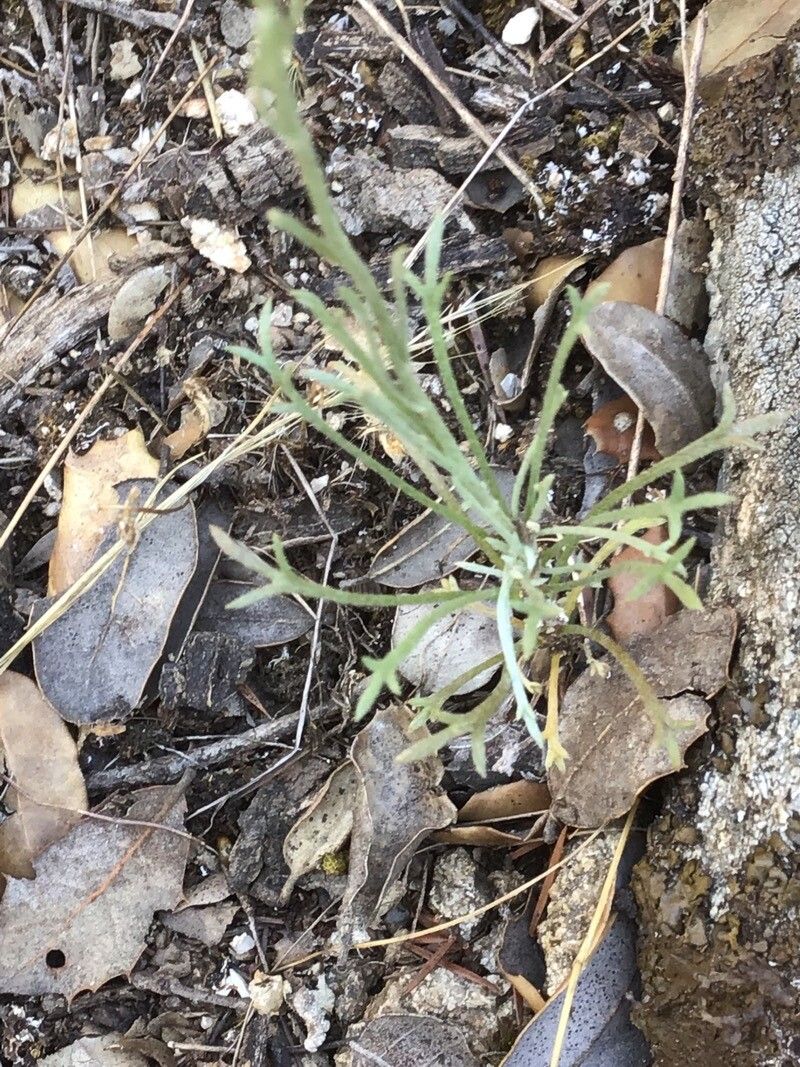
Hello, fellow plant lovers! It’s so good to have you here. Today, we’re going to chat about a little gem that brings so much joy to the garden: Leucanthemopsis pallida. Maybe you know it better by its common name, pale daisy, or perhaps it’s simply “that lovely white daisy” in your yard. Whatever you call it, this charming plant with its delicate white petals and sunny yellow centers is an absolute delight.
One of the things I adore about Leucanthemopsis pallida is its understated elegance. It’s not flashy, but it holds its own beautifully. And the best part? It’s surprisingly rewarding to multiply! If you’re new to the world of propagation, this is a fantastic plant to start with. It’s quite forgiving and doesn’t demand a degree in botany to succeed. You’ll feel that wonderful gardener’s thrill when you see your own little babies thrive.
The Best Time to Start
Timing is everything in gardening, isn’t it? For Leucanthemopsis pallida, the sweet spot for propagation is in late spring to early summer. This is when the plant is actively growing, and its stems are young and pliable. You’ll have the best luck taking cuttings when the plant is putting on its growth spurt, before it gets too focused on setting seed.
Supplies You’ll Need
Gathering your supplies beforehand makes the whole process much smoother. Here’s what I usually have on hand:
- Clean, sharp pruning shears or a sharp knife. Sterilize them!
- A good quality potting mix. I often use a mix of equal parts peat moss or coco coir and perlite. For division, a regular good potting soil is fine.
- Small pots or trays with drainage holes.
- Rooting hormone (optional, but can give an extra boost).
- A spray bottle filled with water.
- Small labels and a marker.
Propagation Methods
There are a couple of easy ways to get more Leucanthemopsis pallida. I find stem cuttings to be the most reliable for this particular plant.
Stem Cuttings:
- Select your stems. Look for healthy, non-flowering stems that are about 4-6 inches long. You want stems that have new growth but are not woody. I usually make my cuts just below a leaf node (where a leaf attaches to the stem).
- Make the cut. Using your clean shears, make a clean cut at the chosen point.
- Prepare the cuttings. Gently remove the lower leaves from the stem, leaving just a few at the top. This prevents them from rotting in the soil.
- Dip in rooting hormone (optional). If you’re using rooting hormone, dip the cut end into it. Just tap off any excess.
- Plant the cuttings. Make a small hole in your prepared potting mix and insert the cut end of the stem. Gently firm the soil around it. You can plant several cuttings in one pot, giving them a little space.
- Water gently. Mist the cuttings with your spray bottle to settle the soil. Avoid overwatering at this stage.
- Provide the right environment. Place the pots in a bright location, but out of direct sunlight. A warm spot is ideal. You can even cover the pot loosely with a plastic bag to create a mini-greenhouse effect, but make sure the leaves aren’t touching the plastic.
The “Secret Sauce” (Pro Tips)
Here are a few things I’ve learned over the years that really make a difference:
- Don’t crowd them. When you’re taking cuttings, give them a little breathing room in their pots. Overcrowding can lead to rot and poor air circulation, which is the enemy of new cuttings.
- Bottom heat is your friend. If you have a seedling heat mat, popping your pots on one can significantly speed up root development. It mimics the warmth of spring soil and gives those little roots a real push.
- “Sacrificial” cuttings. Sometimes, if a stem has a tiny bud forming, I’ll pinch it off. It redirects the plant’s energy from flowering to root production, which is exactly what we want right now.
Aftercare & Troubleshooting
The waiting game begins! Keep the soil consistently moist but not waterlogged. A good test is to stick your finger about an inch deep; if it feels dry, it’s time to water. You can also tell by the slight weight of the pot.
You’ll know your Leucanthemopsis pallida has rooted when you see new leaf growth and perhaps a little resistance when you gently tug on a cutting. This usually takes anywhere from 3 to 6 weeks, sometimes longer.
Now, for the less fun part: troubleshooting. The most common issue is rot. You’ll see the stems turn mushy and black. This is almost always due to overwatering or poor air circulation. If you spot this, sadly, it’s best to discard the affected cuttings and try again, ensuring your soil drains well and you’re not dunking them in water constantly. Less commonly, cuttings might just shrivel up and die without rotting. This can be due to not enough moisture, too much direct sun, or the cutting simply not being viable.
A Encouraging Closing
Propagating plants is a wonderful way to connect with nature and to share your garden’s beauty with others. Be patient with your new Leucanthemopsis pallida cuttings. Gardening is a journey, and every little success, no matter how small, is a joy to celebrate. Happy propagating, and may your gardens continue to bloom!
Resource: