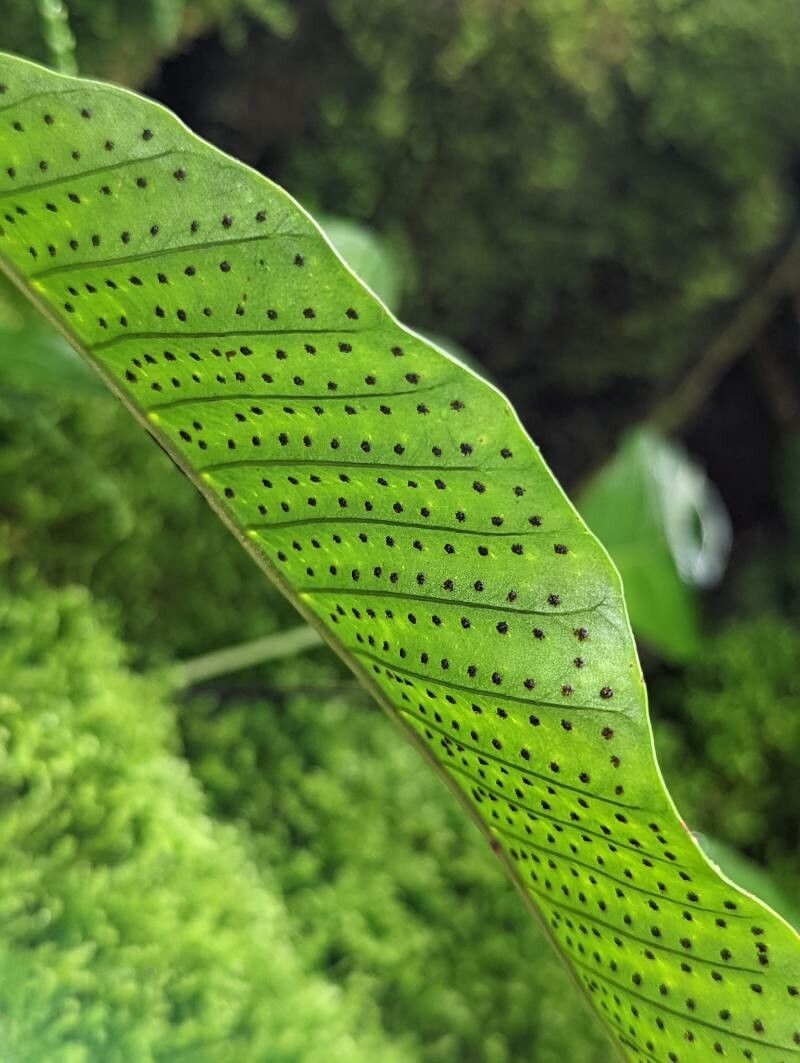
Hello, fellow plant lovers! Today, we’re diving into the wonderful world of propagating Campyloneuron sphenodes, those gorgeous ferns with their distinctive, wedge-shaped fronds. If you’ve ever admired their elegant arch and wondered if you could coax more of these beauties into your home, you’re in the right place!
Why Propagate Campyloneuron Sphenodes?
There’s a special kind of joy in watching a new plant sprout from a piece of an older one. It feels like a little bit of magic, doesn’t it? Propagating Campyloneuron sphenodes is incredibly rewarding because you can expand your collection or share these captivating ferns with friends. It’s generally a fairly straightforward process, making it a great option even for those new to the propagation game.
The Best Time to Start
For the highest success rate with Campyloneuron sphenodes, spring is your prime time. This is when the plant is actively growing and has the most energy to push out new roots. I usually start my propagation efforts right after the last frost, when days are getting longer and warmer.
Supplies You’ll Need
Here’s what I like to have on hand:
- Sharp, clean pruning shears or a knife: For making those crucial cuts.
- Well-draining potting mix: A good blend of peat moss, perlite, and coarse sand works wonders for ferns.
- Small pots or propagation trays: Clean ones are a must!
- Plastic bags or a propagation dome: To maintain humidity.
- Rooting hormone (optional but recommended): Not strictly necessary for ferns, but it can give you a helpful boost.
- Watering can with a fine rose: For gentle watering.
- Spray bottle: For misting.
Propagation Methods
Campyloneuron sphenodes is commonly propagated through division. It’s quite simple and very effective.
Division
This method is best when your fern has grown large enough that you can see distinct clumps or crowns forming.
- Gently remove the parent plant from its pot. Be careful not to damage those delicate roots.
- Inspect the root ball. Look for natural breaks where the plant seems to be dividing itself. You might see multiple crowns emerging from a single root system.
- Using your hands or a clean knife, carefully separate the clumps. Aim for sections that have both roots and at least one healthy frond. If you’re struggling to pull them apart, a gentle wiggle might do the trick. If you must use a knife, make sure it’s sterilized to prevent introducing any diseases.
- Pot up each division into its own small pot filled with your prepared, well-draining potting mix.
- Water gently to settle the soil around the roots.
- Place the potted divisions in a location with bright, indirect light.
- Cover the pots with a plastic bag or a propagation dome to create a humid environment. This is absolutely crucial for ferns after division.
The “Secret Sauce” (Pro Tips)
Here are a few things I’ve learned over the years that make a big difference:
- Mist regularly: Even with covering, ferns appreciate a good misting once or twice a day. This keeps the humidity levels high and prevents the new fronds from drying out.
- Don’t overwater: While humidity is key, soggy soil can lead to rot. Feel the soil; it should be moist but not waterlogged. If water is pooling, you’ve gone too far.
- Patience with roots: Fern roots can be slow to develop. Don’t be discouraged if you don’t see immediate new growth appearing above the soil. Gently tugging on a frond is not a good indicator of roots; patience is truly your best friend here.
Aftercare & Troubleshooting
Once your divisions are happily settled, keep them in that humid environment for a few weeks. You’ll know they’re establishing when you start to see new, unfurling fronds. Gradually acclimate them to lower humidity by opening the plastic bag or dome for increasing periods each day.
The most common problem you might encounter is root rot, which usually stems from overwatering or poor drainage. If you see fronds turning yellow or mushy, or notice a foul smell from the soil, it’s a sign of trouble. You might need to repot the division into fresh, drier soil and adjust your watering routine.
Let’s Grow!
Propagating Campyloneuron sphenodes is a wonderful way to deepen your connection with these beautiful plants. Remember to be patient, observe your new babies carefully, and most importantly, enjoy the process of nurturing new life. Happy growing!
Resource:
https://identify.plantnet.org/k-world-flora/species/Campyloneurum%20sphenodes%20Fée/data