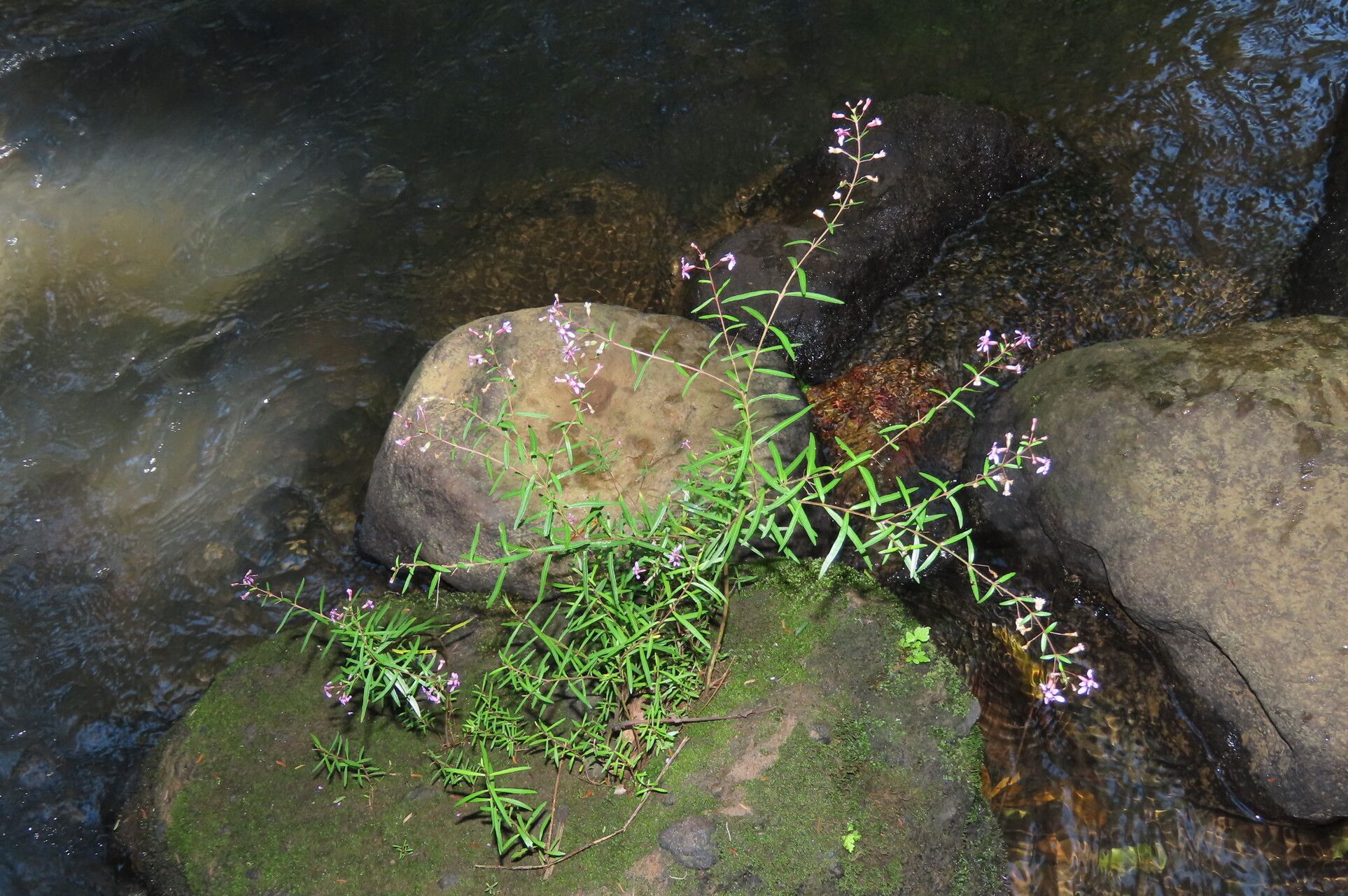
Oh, Cuphea utriculosa! What a delightful plant to get to know. If you’re looking for a burst of vibrant color and a magnet for pollinators, this little charmer is an absolute winner. Its delicate, tubular flowers are simply irresistible to hummingbirds and bees. And the best part? Propagating it is surprisingly accessible, making it a lovely project for gardeners of all levels. You might even find it easier than you think, which is always a nice surprise!
When to Get Your Hands Dirty
For the best results with Cuphea utriculosa, I always recommend starting in the late spring or early summer, when the plant is actively growing and has plenty of energy to spare. This is when you’ll find nice, healthy stems that are ready to take root. Avoid trying to propagate from old, woody growth; you want those soft, pliable tips.
Your Propagation Toolkit
Here’s what you’ll want to have on hand to set yourself up for success:
- Clean, sharp pruning shears or a sharp knife: Essential for making neat cuts that heal well.
- Small pots or seed trays: Clean and ready to go.
- A good quality, well-draining potting mix: I like to use a mix specifically for cuttings, often a blend of peat moss or coco coir with perlite or horticultural sand.
- Rooting hormone (optional but recommended): A little dip in this can really give your cuttings a boost.
- Plastic bags or a clear propagation lid: To create a humid environment.
- Watering can or spray bottle: For gentle watering.
- A sunny, but not scorching, location: Where your new plants can thrive.
Let’s Get Growing!
There are a couple of ways to coax new Cuphea utriculosa plants from your existing ones. Stem cuttings are my go-to because they’re so reliable.
Stem Cuttings: The Reliable Route
- Select Your Stems: Look for healthy, non-flowering stems. Aim for cuttings that are about 4-6 inches long.
- Make the Cut: Using your clean shears, make a clean cut just below a leaf node (the bump where a leaf grows). This is where the magic happens, where roots are most likely to form.
- Prepare the Cutting: Gently remove the lower leaves, leaving just a couple of sets at the top. This prevents them from rotting in the soil.
- Dip in Hormone (Optional): If you’re using rooting hormone, dip the cut end into the powder or gel. Tap off any excess.
- Planting Time: Fill your small pots with your prepared potting mix. Make a small hole with your finger or a pencil and insert the cutting, making sure the leaf nodes are buried. Gently firm the soil around the base of the cutting.
- Create Humidity: Water the soil well, but don’t let it get waterlogged. Then, cover the pot with a plastic bag (just a regular kitchen bag will do, secured with a rubber band) or place it under a propagator lid. This creates a mini-greenhouse that keeps the moisture level high, which is crucial for cuttings.
Water Propagation: The See-Through Method
This is a fun one because you can actually watch the roots develop!
- Take Your Cuttings: Follow steps 1-3 for stem cuttings above.
- Place in Water: Fill a small jar or glass with clean water, making sure none of the leaves are submerged. It’s important that only the bare stem is in the water.
- Find a Bright Spot: Place the container in a bright location, out of direct sunlight.
- Change the Water: Change the water every few days to keep it fresh and prevent any bacterial growth.
- Rooting: You should start to see tiny white roots emerging from the leaf nodes within a few weeks. Once the roots are about an inch long, it’s time to plant them in soil.
My Little Secrets
Here are a couple of things I’ve learned over the years that really make a difference:
- Bottom Heat is King: If you have it, using a heat mat under your pots can significantly speed up the rooting process. It mimics the warmth of spring soil and encourages those roots to get going.
- Don’t Overwater: It’s a common mistake, but soggy soil is the enemy of new cuttings. They need moisture, but they also need air circulation around their roots. Water only when the top inch of soil feels dry.
Nurturing Your New Sprouts
Once you see signs of new growth – little leaves unfurling or the cutting resisting a gentle tug – you know roots have formed! At this point, you can gradually acclimate your new plants to normal conditions. If you used a plastic bag, start by opening it for a few hours each day, slowly increasing the time until it’s completely removed over a week or so.
Keep them in bright, indirect light and continue to water when the top layer of soil feels dry.
Now, what if things don’t go as planned? The most common issue is rot. If you see your cuttings turning black and mushy, it’s usually a sign of too much moisture and not enough air. It’s a good idea to discard any rotten cuttings to prevent it from spreading. Sometimes, a cutting just doesn’t “take,” and that’s okay! Gardening is as much about learning from what doesn’t work as it is from what does. Just try again!
So there you have it! Propagating Cuphea utriculosa is a truly satisfying endeavor. Be patient with your little propagations, give them a bit of TLC, and soon you’ll have a whole bouquet of these beauties to share (or keep all to yourself!). Happy gardening!
Resource:
https://identify.plantnet.org/k-world-flora/species/Cuphea%20utriculosa%20Koehne/data