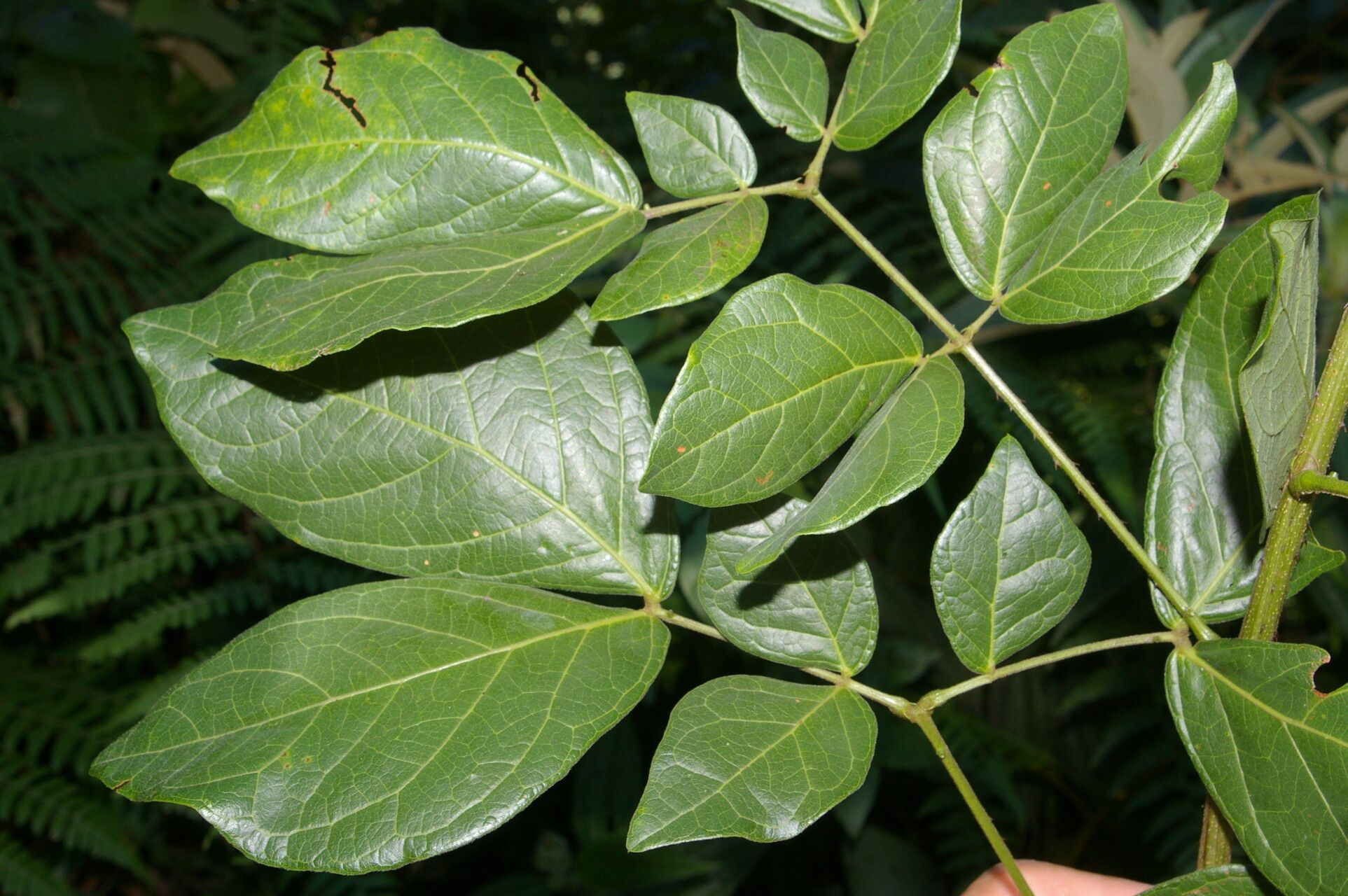
Oh, hello there! I’m so thrilled you’re interested in propagating Mimosa watsonii. This little gem, with its delicate, fern-like foliage and those charming, pom-pom flowers, really brings a touch of the tropics to any space. Growing new plants from cuttings always fills me with such a sense of accomplishment – it’s like magic happening right before your eyes. Mimosa watsonii can be a touch finicky, but with a little know-how, it’s wonderfully achievable, even for those of you just dipping your toes into plant propagation.
The Best Time to Start
When I’m looking to get new Mimosa watsonii plants going, I always aim for late spring or early summer. This is when the plant is really hitting its stride, actively growing and full of energy. Think about it – the days are longer, the sun is warmer, and everything in the plant world is just buzzing with life. That vibrant growth spurt makes it much easier for cuttings to root and establish themselves. You can also try in early autumn, but I find the spring/summer window gives you the best shot at success.
Supplies You’ll Need
Here’s what I like to have on hand before I get started. Having everything ready makes the whole process much smoother:
- Pruning shears or a sharp knife (cleaned with rubbing alcohol to prevent disease)
- Small pots or trays with drainage holes
- A well-draining potting mix. I usually use a blend of equal parts peat moss or coco coir, perlite, and a bit of horticultural charcoal. You want it to hold some moisture but drain really, really well.
- Rooting hormone (powder or gel – both work well for this plant)
- A mister or spray bottle filled with water
- Clear plastic bags or a clear plastic dome (to create a humid environment)
- Labels for your cuttings (trust me, you’ll forget which is which!)
Propagation Methods
For Mimosa watsonii, I find that stem cuttings are usually the most successful and straightforward method.
Taking Stem Cuttings:
- Select a healthy stem: Look for a semi-hardwood stem that’s actively growing. You’re not looking for brand new, super-soft tip growth, nor are you looking for old, woody stems. A stem that’s firm but still has some flexibility is ideal.
- Make the cut: Using your clean shears, take a cutting that is about 4 to 6 inches long. Make the cut just below a leaf node (where a leaf attaches to the stem). This is where you’ll get the best rooting response.
- Prepare the cutting: Gently remove the lower leaves from the cutting, leaving just a few at the top. This prevents them from rotting when placed in the soil. If any leaves are very large, you can cut them in half to reduce water loss.
- Apply rooting hormone: Dip the cut end of the stem into your rooting hormone, making sure it’s coated. Tap off any excess.
- Plant the cutting: Fill your pots with your prepared potting mix. Make a small hole in the center with your finger or a pencil. Insert the cutting into the hole, ensuring at least one leaf node is buried in the soil. Gently firm the soil around the cutting.
- Water gently: Water the soil thoroughly but gently so as not to dislodge the cutting.
Water Propagation (An Alternative but Often Trickier for Mimosa):
While I prefer soil for Mimosa watsonii, you can try water propagation.
- Take and prepare cuttings as above.
- Place in water: Put the cuttings in a clean jar or vase filled with fresh water.
- Crucial step: Make sure no leaves are touching the water. Any submerged leaves will rot and hinder rooting.
- Change water regularly: Change the water every few days to keep it fresh and prevent bacterial growth.
- Rooting will take longer: You’ll see roots forming, but then you’ll have to transition them to soil, which can be a delicate step.
The “Secret Sauce” (Pro Tips)
Here are a couple of things I’ve learned over the years that really seem to make a difference:
- Bottom Heat is Your Friend: Mimosa watsonii absolutely loves a bit of warmth from below. Placing your pots on a heat mat (designed for seed starting) will significantly speed up root development. It mimics that lovely warm soil feeling they enjoy.
- Don’t Let Them Dry Out (or Drown!): This is a delicate balance. The soil should feel consistently moist but never soggy. I like to check mine daily. If the top feels dry, give it a light watering. Overwatering is the fastest way to lose a cutting to rot, but letting them shrivel up is no good either.
- Patience with the Humidity Dome: Once your cuttings are planted and watered, pop a clear plastic bag over them or put the lid on a propagator. This creates a humid microclimate, which is vital for preventing the leaves from drying out before roots form. Don’t seal it airtight – poke a few small holes or leave it slightly ajar to allow for some air circulation.
Aftercare & Troubleshooting
Once your cuttings have developed a good root system – you’ll know this when you see new growth appearing at the top or feel a gentle resistance when you give the pot a light tug – it’s time to treat them like a young plant.
- Gradual Acclimation: Slowly remove the plastic bag over a few days to help them adjust to lower humidity.
- Light Needs: Give them bright, indirect light. Avoid harsh, direct sun which can scorch their delicate leaves.
- Watering: Water when the top inch of soil feels dry.
- Troubleshooting: The most common issue you’ll encounter is rot, indicated by a blackening and mushy stem. This is usually a sign of too much moisture and not enough air circulation. If you see this, unfortunately, that cutting is likely lost. Another sign of stress is yellowing leaves without new growth, which could be too much or too little water, or not enough light. Don’t get discouraged! It’s all part of the learning curve.
A Encouraging Closing
Propagating plants is a journey, and Mimosa watsonii is a lovely one to embark on. Be patient with your new little green babies. Some may take root quickly, while others might need a bit more time. Enjoy the process, celebrate each tiny victory, and before you know it, you’ll have a whole collection of your own beautiful Mimosa watsonii to admire! Happy growing!
Resource:
https://identify.plantnet.org/k-world-flora/species/Mimosa%20watsonii%20B.L.Rob./data