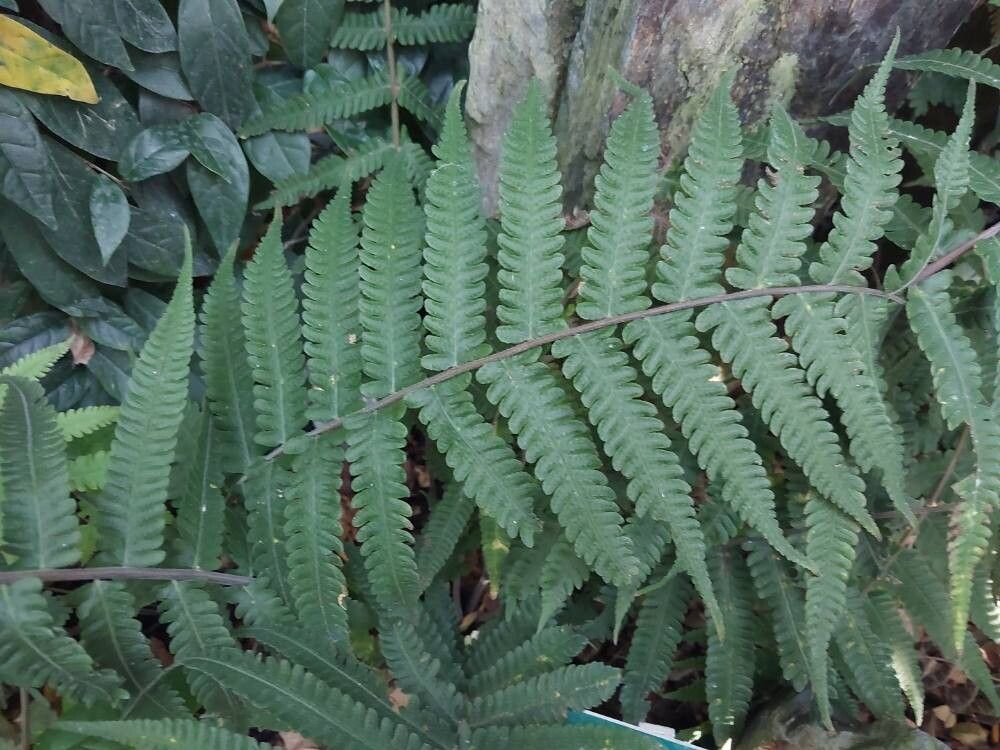
Hello, fellow plant enthusiasts! It’s so lovely to have you here. Today, we’re diving into the wonderful world of fern propagation, specifically with Thelypteris parasitica, often called the Malayan Tree Fern. This fern is an absolute stunner, with its upright fronds creating a lush, tropical feel in any garden or indoor space. The thrill of watching a new plant unfurl from a tiny piece of its parent is truly one of gardening’s greatest joys, and I promise you, with Thelypteris parasitica, it’s a very achievable one! This particular fern is quite obliging, making it a fantastic choice for those venturing into propagation for the first time.
When’s the Magic Moment?
For me, the best time to propagate Thelypteris parasitica is usually late spring or early summer. This is when the plant is in its most vigorous growth phase. The days are getting longer, the temperatures are warming up, and everything is just buzzing with life. You’ll see new fronds unfurling, and that’s your cue that the parent plant has plenty of energy to spare for creating new life.
Gathering Your Tools
Before we get our hands dirty, let’s make sure we have everything we need. Think of this as preparing your baking ingredients – having them ready makes the whole process so much smoother.
- Clean, sharp pruning shears or a sharp knife: For making clean cuts to avoid damaging the plant.
- A well-draining potting mix: I like a blend of peat moss, perlite, and compost. A good quality seed starting mix also works beautifully.
- Small pots or trays: For your new baby ferns. Yogurt cups with drainage holes poked in the bottom are surprisingly effective!
- Watering can or spray bottle: For providing gentle moisture.
- Rooting hormone (optional but recommended): This can give your cuttings a helpful boost. Look for one formulated for herbaceous cuttings.
- Clear plastic bag or propagation dome: To create a humid environment.
- Labels and a permanent marker: To keep track of your projects.
Let’s Get Propagating!
Thelypteris parasitica is wonderfully versatile, but my favorite way to propagate it is through division. It’s straightforward and gives you a good chance of success.
Method: Division
- Carefully remove the parent fern from its pot. You might need to gently loosen the soil around the edges with a trowel or knife.
- Gently tease apart the root ball. Look for natural divisions where new plantlets are emerging, often with their own tiny fronds. Don’t force it; if you can’t easily separate a section, leave it. You want to avoid ripping the roots too much.
- Use your fingers or a clean knife to separate a healthy division. Aim for a piece that has a good amount of roots attached and at least one or two small, unfurling fronds.
- Plant each division into its own small pot filled with your prepared potting mix. Make sure the rhizome (the thick, horizontal stem) is just at or slightly below the soil surface.
- Water gently but thoroughly. You want the soil to be moist, not waterlogged.
- Cover the pots with a clear plastic bag or propagation dome. This is crucial for maintaining the high humidity these ferns love.
The “Secret Sauce” – Insider Tips
Here are a couple of things I’ve learned over the years that really make a difference:
- Don’t let the fronds touch the water if you happen to be water propagating (though division is my go-to for this fern). If any part of the foliage is submerged, it’s a prime spot for rot to set in. Keep those leaves high and dry!
- Warmth is key! If your space is a bit on the cool side, popping your pots on a heat mat specifically designed for seedlings can significantly speed up root development. It mimics that lovely, warm soil temperature found in nature during the growing season.
After We Nurture: Care and What to Watch For
Once your divisions have been potted, keep them in a bright spot, but out of direct sunlight. Thelypteris parasitica can get scorched easily. The humidity is your best friend at this stage. Mist them regularly or ensure the covering is tightly sealed.
You’ll know your new ferns are taking off when you start to see new fronds unfurling from the center. This usually takes a few weeks.
Troubleshooting is part of the journey! If the leaves start to yellow or turn mushy, it’s often a sign of overwatering or too much direct sun. If you see wilting and the soil is dry, it’s likely a lack of moisture or humidity. Keep an eye out for fungal issues, which can happen in overly wet conditions – good air circulation will help prevent this once they are established.
A Final Thought
Propagating Thelypteris parasitica is a wonderfully rewarding way to expand your collection and share these beautiful ferns with friends. Be patient, trust the process, and don’t be discouraged if every single little piece doesn’t make it. Gardening is all about learning and growing, and I’m so glad you’re growing with us! Happy propagating!
Resource:
https://identify.plantnet.org/k-world-flora/species/Thelypteris%20parasitica%20(L.)%20Tardieu/data