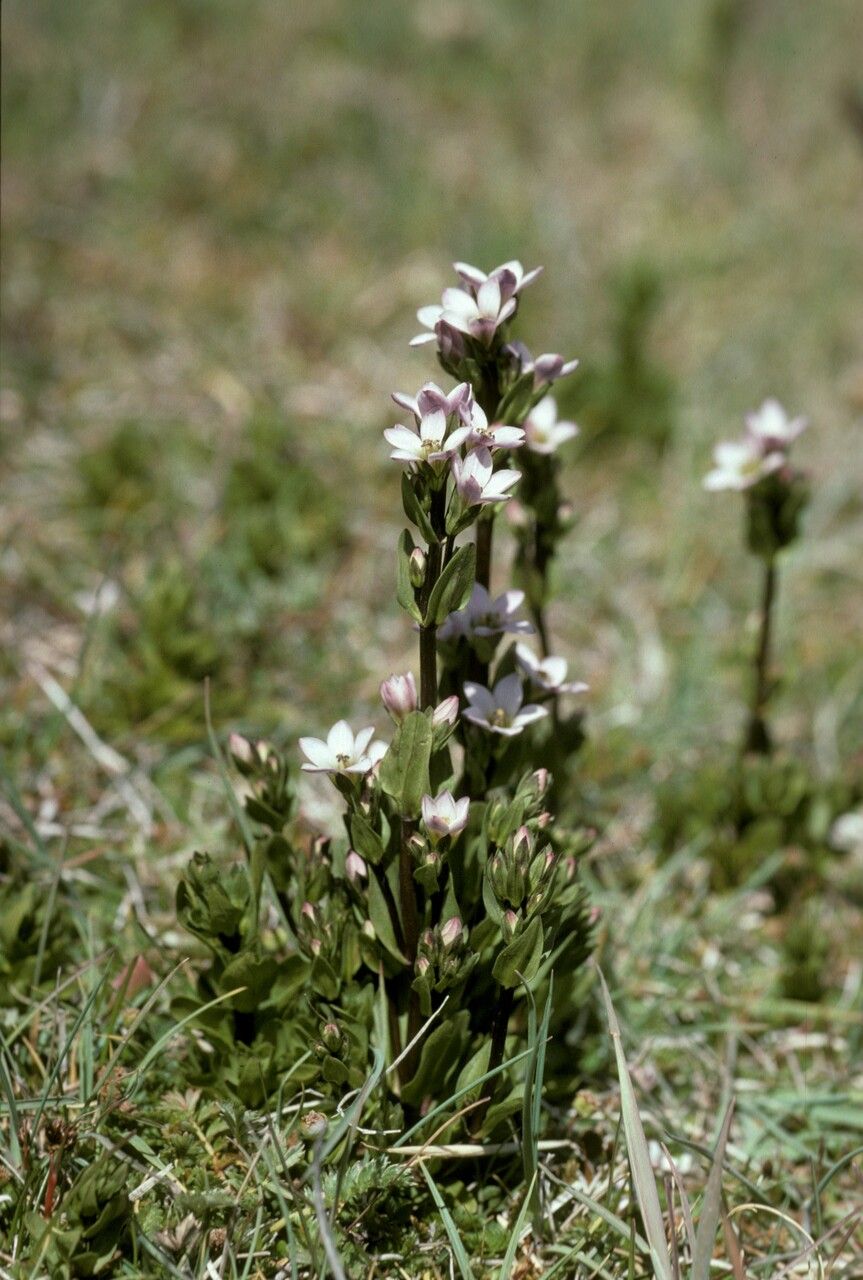
Hello gardening friends! There’s something truly special about coaxing a new life from an existing plant. It’s a little bit of magic, right? And today, we’re diving into the delightful world of propagating Gentianella magellanica, or the Magellanic Gentian.
Introduction: The Allure of the Azure
Oh, the joy of those vibrant, trumpet-shaped, often stunningly blue flowers! Gentianella magellanica brings a burst of alpine charm and intense color to any garden. Its elegant form and jewel-like blooms are really something to behold. Propagating these beauties is such a rewarding endeavor. You get to share that magic with friends, fill more of your garden with their sparkle, and frankly, it’s incredibly satisfying.
Now, I’ll be honest, Gentianella magellanica can be a tad particular. It’s not exactly a “stick it in the ground and forget it” kind of plant. However, with a little careful attention and the right approach, propagating it is absolutely achievable. Don’t let that deter you; think of it as a rewarding challenge for the enthusiastic gardener!
The Best Time to Start
For the highest chance of success with Gentianella magellanica, early spring is usually your best bet. This is when the plant is actively growing and has plenty of energy to put towards developing new roots. You want to catch it before the intense heat of summer sets in or when the plant is winding down in the fall. Look for healthy, new growth that hasn’t yet flowered.
Supplies You’ll Need
Gathering your supplies beforehand makes the whole process smoother. Here’s what I always have on hand:
- Sterilized pots or trays: Small ones (3-4 inches) are perfect.
- Well-draining potting mix: A blend of peat moss, perlite, and a bit of grit is excellent. You want something that dries out readily.
- Sharp, sterilized pruning shears or a small knife: For clean cuts.
- Rooting hormone (optional but helpful): A powder or gel can give cuttings a boost.
- Plastic bags or a propagation dome: To maintain humidity.
- Small pebbles or grit: For top dressing.
- Watering can with a fine rose attachment: Gentle watering is key.
Propagation Methods: Let’s Get Our Hands Dirty!
The most reliable way to propagate Gentianella magellanica is through stem cuttings. This method allows you to take a piece of an established plant and encourage it to grow its own roots.
Stem Cuttings – Step-by-Step:
- Select Your Cuttings: Gently examine your healthy Gentianella magellanica plant. Look for non-flowering, semi-hardwood shoots that are about 3-4 inches long. These are typically found on the current year’s growth.
- Make the Cut: Using your sterilized shears or knife, make a clean cut just below a leaf node. A leaf node is where a leaf attaches to the stem; this is where roots are most likely to form.
- Prepare the Cutting: Carefully remove the lower leaves from the cutting, leaving just the top two or three leaves intact. This prevents them from rotting once planted and reduces water loss.
- Apply Rooting Hormone (Optional): If you’re using rooting hormone, dip the cut end into the powder or gel, shaking off any excess.
- Potting Up: Fill your small pots with your well-draining mix. Make a small hole in the center of the soil with your finger or a pencil.
- Insert the Cutting: Gently insert the prepared cutting into the hole, ensuring that the leaf nodes that were just below the soil surface are covered.
- Firm the Soil: Lightly firm the soil around the stem to ensure good contact.
- Water Gently: Using your fine-rose watering can, water the soil gently until it’s moist but not waterlogged.
- Create a Humid Environment: Cover the pot with a plastic bag (making sure the leaves don’t touch the plastic) or use a propagation dome. This creates a mini-greenhouse effect, keeping humidity high, which is crucial for cuttings.
- Placement: Place the pots in a bright location away from direct sunlight. Too much sun can scorch the delicate cuttings.
The “Secret Sauce” (Pro Tips)
Here are a couple of things I’ve learned over the years that really make a difference with fussier plants like these:
- Bottom Heat is Your Friend: If you have a heat mat designed for seedlings, place your pots on it. This gentle warmth from below encourages root development much faster than relying on ambient room temperature alone. It’s not strictly necessary, but it’s a real game-changer.
- Airflow is Crucial (Once Rooted): While humidity is key for root initiation, once you see signs of life (like tiny new leaves), start to ventilate the cuttings by opening the bag or dome for a few minutes each day. Gradually increase this time. This helps prevent fungal diseases like rot.
Aftercare & Troubleshooting
Be patient! It can take several weeks for Gentianella magellanica cuttings to develop roots. You’ll know they’re ready when you gently tug on the stem and feel resistance, or when you see new growth appearing at the top.
- Once Rooted: Carefully remove the plastic bag or dome. Continue to water gently, allowing the soil to dry slightly between waterings.
- Transplanting: When the new plants are large enough to handle and have a good root system (they’ll be filling their small pots), you can transplant them into slightly larger pots or directly into a prepared garden bed if the weather is suitable.
- Troubleshooting – Rot: The most common problem is rot. This usually happens if the soil stays too wet or if there isn’t enough air circulation. If you see a cutting turning brown and mushy, unfortunately, it’s likely lost. Prevention is key here: use a very well-draining mix and don’t overwater.
A Encouraging Closing
Propagating Gentianella magellanica might require a little more attention than some other plants, but the reward of seeing those beautiful blue blooms multiply in your garden is absolutely worth it. Be patient, observe your cuttings, and don’t be afraid to try again if something doesn’t work out the first time. Gardening is a journey of learning and discovery, and I promise you, the satisfaction of nurturing new life is one of its greatest joys. Happy propagating!
Resource: