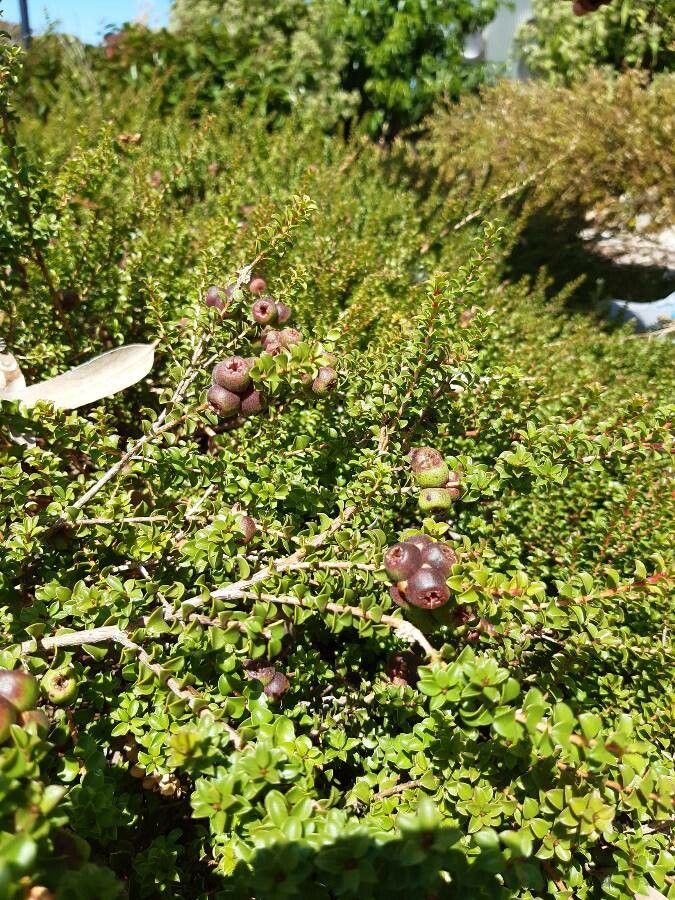
Oh, Kunzea pomifera! What a delightful plant to grow. You know, it’s also known as the Mallee Appleberry, and its little fuzzy fruits are just darling. Not to mention the delicate white flowers it produces – it’s a real gem for any garden, especially if you’re looking for something a bit different. Propagating this beauty is so satisfying. It’s not the absolute easiest plant for a complete beginner, but with a little patience and a few key steps, I promise you, you can absolutely do it!
The Best Time to Start
When it comes to Kunzea pomifera, I find the late spring to early summer is your sweet spot. This is when the plant is actively growing after its winter rest and before the intense heat of midsummer stresses it out. You’ll be looking for semi-hardwood cuttings – that’s wood that’s starting to firm up but still has a bit of flexibility. Think of it as a piece of pencil lead – not too green, not too woody.
Supplies You’ll Need
Gathering your tools beforehand makes the whole process so much smoother. Here’s what I always have on hand:
- Sharp Pruning Shears or a Craft Knife: Cleanliness is key here to prevent disease.
- Rooting Hormone: A powder or gel works well. It gives your cuttings that extra boost.
- A Well-Draining Potting Mix: I usually mix equal parts of perlite, coco coir, and a good quality seed-raising mix. This ensures good aeration and prevents sogginess.
- Small Pots or Cell Trays: Clean ones, of course!
- A Plastic Bag or Clear Dome: This helps create a humid environment, which is crucial for cuttings.
- Labels and a Marker: You’ll thank me later when you have multiple projects going!
- A Spray Bottle: For gentle misting.
Propagation Methods
For Kunzea pomifera, stem cuttings are my go-to method. It’s reliable and gives you a good chance of success.
Stem Cuttings:
- Select Your Cuttings: Head out to your established Kunzea pomifera plant. Look for healthy, current-season shoots that are about 4-6 inches long.
- Make Your Cuts: Using your clean shears or knife, make a clean cut just below a leaf node (where a leaf joins the stem). This is where the magic of rooting often happens.
- Prepare the Cuttings: Gently remove the lower leaves from your cuttings, leaving just a couple at the very top. This prevents them from rotting in the soil. If the remaining leaves are very large, I’ll often snip them in half horizontally.
- Dip in Rooting Hormone: Dip the cut end of each cutting into your rooting hormone. Make sure it’s well-coated.
- Plant Your Cuttings: Fill your small pots or cell trays with your prepared potting mix. Make a little hole in the center with your finger or a pencil. Gently insert the cutting into the hole, ensuring the base is firm in the soil.
- Water Gently: Water the soil thoroughly but gently. You want it moist, not waterlogged.
- Create Humidity: Cover the pot with a plastic bag, making sure the leaves don’t touch the sides. Alternatively, use a clear plastic dome. This traps moisture and mimics the humid environment your cuttings crave.
- Find a Good Spot: Place your pots in a bright spot with indirect light. Avoid direct sun, which can scorch the tender cuttings.
The “Secret Sauce” (Pro Tips)
Here are a couple of things I’ve learned over the years that really make a difference:
- Don’t Drench the Soil: While you want a moist environment, overwatering at this stage is a fast track to rot. The goal is consistent moisture, not a swamp. I usually water until I see a little drainage from the bottom of the pot, and then I wait until the top inch of soil feels slightly dry before watering again.
- Consider Bottom Heat: If you can, placing your pots on a gentle heating mat can be a game-changer. This encourages root development from below, much like the warmth of spring soil. Just a mild warmth is all they need – not hot!
- Sterilize Everything: I can’t stress this enough. Even a tiny bit of fungus or bacteria on your tools or pots can sabotage your efforts. A quick wipe down with rubbing alcohol for tools, and a good scrub with soapy water for pots, makes a world of difference.
Aftercare & Troubleshooting
Once your cuttings have rooted – and this can take anywhere from 4-8 weeks, sometimes longer – you’ll start to see new growth. You can gently tug on a cutting; if there’s resistance, you’ve got roots! Congratulations!
At this point, gradually acclimate your new plants to drier air. Start by opening the plastic bag for a few hours each day, slowly increasing the time until they are used to ambient humidity. Continue to water them when the top of the soil feels dry.
Now, let’s talk about what can go wrong. The most common issue you might encounter is rot. If your cuttings turn black and mushy, or if you see mold growing on the soil surface, it’s usually a sign of too much moisture and not enough air circulation. Unfortunately, if a cutting rots, it’s usually beyond saving. In this case, discard the affected cutting and soil to prevent it from spreading, and review your watering and humidity levels for the remaining ones. Another sign of trouble is if your cuttings shrivel up and dry out – this means they aren’t getting enough humidity. Make sure that bag is sealing well!
A Little Encouragement
Propagating plants is a journey, and everyone has different experiences. Don’t be discouraged if your first attempt isn’t a complete success. Keep trying, observe your plants, and learn from each step. The reward of nurturing a brand new Kunzea pomifera from a tiny cutting is truly special. Enjoy the process, and happy gardening!
Resource:
https://identify.plantnet.org/k-world-flora/species/Kunzea%20pomifera%20F.Muell./data