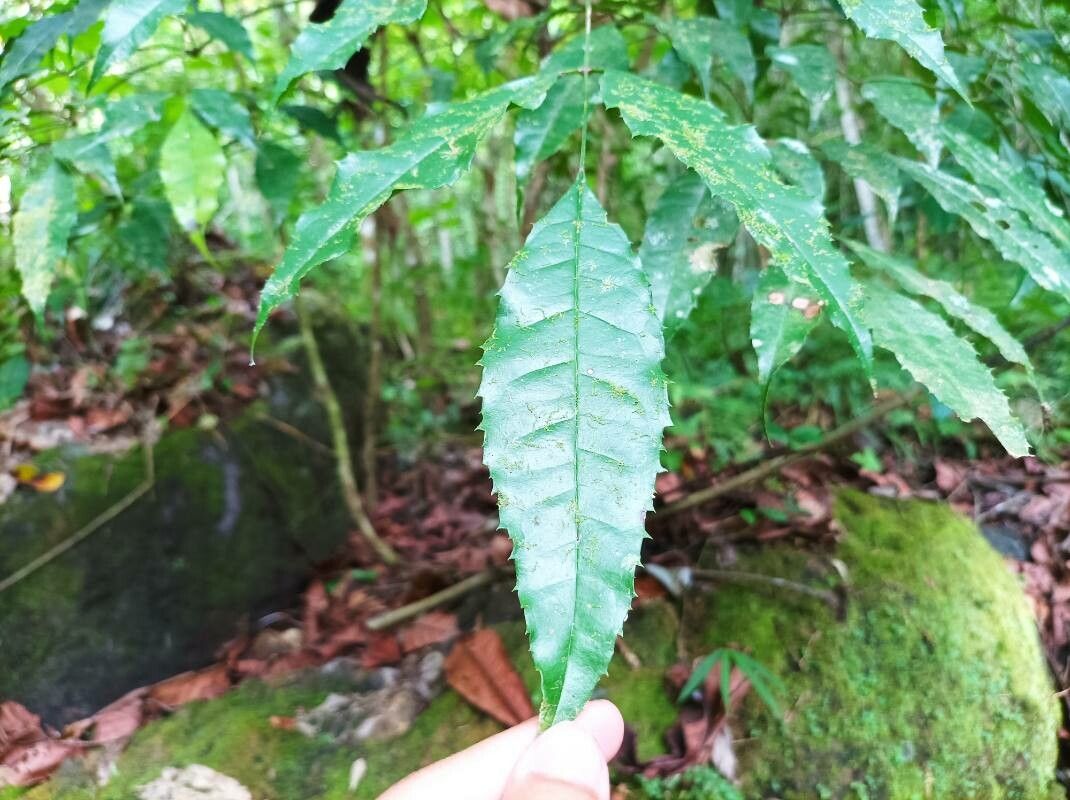
Hey there, fellow plant enthusiasts! I’m so excited to chat with you today about a plant that’s truly captured my heart: Sorocea bonplandii. If you’re looking for a plant that adds a touch of lush, tropical drama to your space, this is it! Its glossy, vibrant leaves are just stunning, and watching a new little plant sprout from a fragment of its parent is one of the most satisfying gardening joys. Now, I’ll be honest, Sorocea bonplandii isn’t the absolute easiest plant for a complete newbie to propagate, but with a little patience and a few key steps, it’s definitely achievable and incredibly rewarding.
The Best Time to Start
For the highest success rate with propagating Sorocea bonplandii, aim for late spring or early summer. This is when the plant is actively growing, meaning it has plenty of energy to put into developing roots. You’ll want to start with healthy, vigorous stems that are neither too soft (too new) nor too woody (too old).
Supplies You’ll Need
Gathering your supplies beforehand makes the whole process smoother. Here’s what I usually have on hand:
- Sharp, clean pruning shears or a knife: Sanitation is key to preventing disease!
- Rooting hormone (optional, but recommended): This can give your cuttings a significant boost. Willow bark extract or commercial rooting powders/gels work well.
- Potting mix: A well-draining mix is crucial. I often use a blend of equal parts peat moss or coco coir and perlite or coarse sand.
- Small pots or trays: Terracotta pots are great because they “breathe,” helping to prevent waterlogging.
- Clear plastic bags or a propagation dome: This helps maintain humidity around the cuttings.
- Water: For dipping cuttings or for water propagation.
- A spray bottle: For misting.
Propagation Methods
Sorocea bonplandii is most commonly and successfully propagated from stem cuttings.
Stem Cuttings:
- Select Your Cutting: Look for a healthy stem that’s about 4-6 inches long and has at least two to three leaf nodes (the points where leaves attach to the stem). Pinch or cut the stem just below a leaf node.
- Prepare the Cutting: Gently remove the lower leaves from the cutting, leaving just one or two at the very top. This prevents them from rotting in the soil or water.
- Apply Rooting Hormone (Optional): If you’re using rooting hormone, dip the cut end of the stem into the powder or gel. Tap off any excess.
- Plant Your Cutting: Fill your small pot with your prepared potting mix. Make a “pilot hole” with your finger or a pencil, and insert the cutting. Gently firm the soil around the base of the cutting.
- Water Gently: Water the soil thoroughly but so it drains freely. You don’t want the soil to be soggy.
- Create a Humid Environment: Cover the pot with a clear plastic bag, propped up so it doesn’t touch the leaves, or place it under a propagation dome. This is essential for keeping the humidity high.
Water Propagation (Alternative):
If you prefer, you can root Sorocea bonplandii in water.
- Prepare the Cutting: Follow steps 1 and 2 above.
- Place in Water: Put the cutting in a clean jar or vase filled with room-temperature water. Ensure that at least one leaf node is submerged.
- Change Water Regularly: Change the water every few days to keep it fresh and prevent bacterial growth.
- Watch for Roots: You should start to see tiny white roots forming from the submerged leaf nodes in a few weeks. Once the roots are about an inch long, you can carefully transplant the cutting into potting mix.
The “Secret Sauce” (Pro Tips)
Here are a couple of things I’ve learned over the years that really make a difference:
- Bottom Heat is Your Friend: Cuttings often root much faster and more reliably if they have a little warmth from below. A heating mat specifically designed for seedlings and cuttings can work wonders.
- Be Patient with the Parent Plant: When taking cuttings, I try to select stems that aren’t crucial to the overall shape or health of the parent plant. If the parent plant looks a bit sparse after taking cuttings, don’t panic! A light trim can encourage new growth.
Aftercare & Troubleshooting
Once your cuttings have developed a good root system (you can gently tug on them; if there’s resistance, they’ve rooted!), it’s time to treat them like a young plant.
- Gradually Acclimate: If your cuttings were under a plastic bag, slowly introduce them to lower humidity by opening the bag for longer periods over a few days.
- Move to a Slightly Larger Pot: If they’re in a small pot, you can move them into a pot that’s just a bit larger.
- Watering: Water regularly, but only when the top inch of soil feels dry. Avoid overwatering!
- Light: Place your new Sorocea in bright, indirect light. Direct sun can scorch young plants.
The most common issue you might encounter is rot. This usually happens because of too much moisture and insufficient drainage. If you see your cutting wilting, turning black and mushy at the base, or developing fungal spots on the leaves, it’s likely rot. Unfortunately, a rotted cutting usually can’t be saved. The best approach is to discard it and try again, paying extra attention to your watering and soil drainage.
A Little Encouragement
Propagating plants is an experiment, and not every attempt will be a slam dunk. Don’t get discouraged if your first few tries don’t take. Observe what happens, learn from it, and try again. The joy of watching a new plant emerge from a tiny cutting is truly special. So grab your shears, get your hands a little dirty, and enjoy the journey! Happy propagating!
Resource: