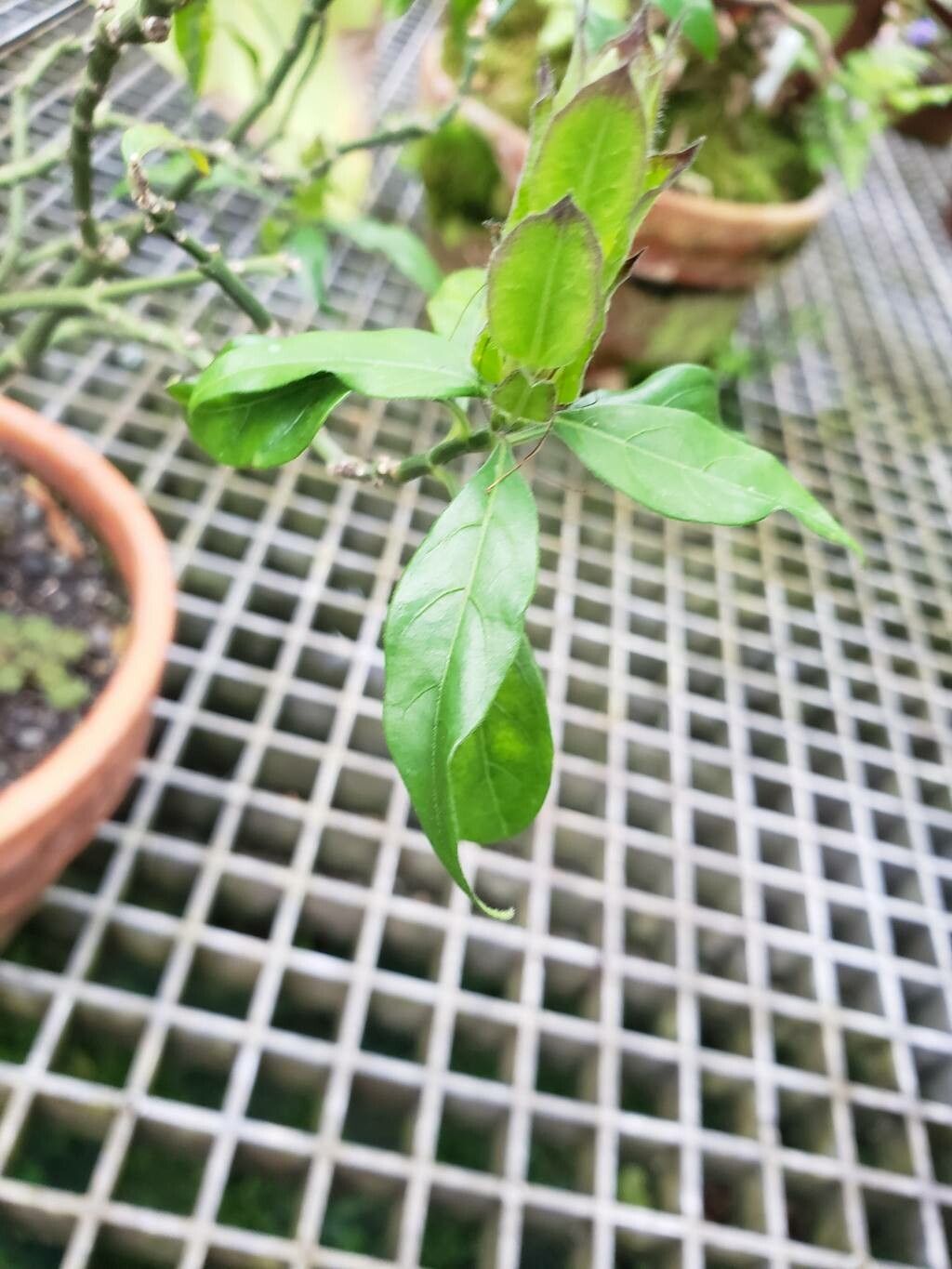
Hello fellow plant lovers! If you’ve ever admired the vibrant blue flowers of Ecbolium viride, you’re not alone. This lovely shrub, often called the “Greenwild Indigo” or “Justicia,” brings such a splash of color to any garden. And the best part? It’s surprisingly easy to grow more of it yourself! I’ve been nurturing these beauties for years, and sharing my passion for propagation is one of my favorite things to do. For those just starting out in the wonderful world of making new plants, Ecbolium viride is a fantastic choice. Let’s get your hands dirty and make some new friends for your garden!
The Best Time to Start
When it comes to getting the best results with Ecbolium viride, timing is key. I find the sweet spot is late spring or early summer. This is when the plant is actively growing and has plenty of energy to put into developing new roots. You want to take cuttings from healthy, new growth. Look for stems that are firm but still a little flexible – not overly woody, but also not floppy.
Supplies You’ll Need
Gathering your tools beforehand makes the whole process smoother. Here’s what I always have on hand:
- Sharp Pruning Shears or a Craft Knife: Clean cuts are crucial for successful rooting.
- Rooting Hormone: While not always strictly necessary for Ecbolium viride, it can give your cuttings an extra boost. I prefer a powder formula.
- Small Pots or Seed Trays: Clean pots are a must to prevent disease.
- Well-Draining Potting Mix: A good blend is about 50% peat moss or coir and 50% perlite or coarse sand. This ensures good aeration and prevents waterlogging.
- Plastic Bags or a propagator: To create a humid environment around your cuttings.
- Watering Can with a Fine Rose: For gentle watering.
- Labels and a Marker: To keep track of what you’ve planted and when.
Propagation Methods
Ecbolium viride is quite obliging and roots readily from stem cuttings. This is my go-to method.
Stem Cuttings:
- Take Your Cuttings: In late spring or early summer, select healthy, non-flowering shoots. Using your sterilized shears, cut a piece of stem about 4-6 inches long. Make the cut just below a leaf node (where a leaf attaches to the stem).
- Prepare the Cuttings: Gently remove the lower leaves, leaving just a couple at the very top. This reduces water loss and prevents leaves from rotting in the soil. If the leaves are large, you can even cut them in half horizontally to further decrease transpiration.
- Apply Rooting Hormone: Dip the cut end of the stem into your rooting hormone, tapping off any excess.
- Plant the Cuttings: Fill your small pots or seed trays with your prepared potting mix. Make a small hole in the center of the soil using a pencil or your finger. Gently insert the cutting into the hole, ensuring the leaf node where you removed the leaves is buried. Firm the soil gently around the base.
- Water Gently: Water the soil thoroughly but gently so as not to disturb the cuttings.
- Create Humidity: Place the pots inside a plastic bag, tying it loosely at the top, or put them in a propagator. This will create a wonderfully humid microclimate that prevents the cuttings from drying out. Make sure the leaves don’t touch the sides of the bag.
- Provide Light: Place the pots in a bright spot with indirect sunlight. Avoid direct sun, which can scorch the delicate cuttings.
The “Secret Sauce” (Pro Tips)
After years of tinkering, I’ve picked up a few tricks that really help.
- My absolute favorite technique for success is to use bottom heat. Placing your pots on a warming mat (designed for seedlings) can drastically speed up root development. It mimics the warmth of spring soil and encourages those roots to get going much faster.
- Don’t be afraid to twist your cuttings gently when inserting them into the soil. This helps the rooting hormone adhere better and ensures good contact with the potting mix.
- Once you’ve potted up your cuttings, resist the urge to constantly check for roots! Patience is truly a virtue in propagation. I usually wait at least 3-4 weeks before gently tugging on a cutting to see if there’s resistance, indicating root formation.
Aftercare & Troubleshooting
Once you see signs of new growth, like tiny leaves emerging or a gentle tug resistance, you’re on your way!
- Gradual Acclimatization: If you used a plastic bag or propagator, start by gradually opening it up over a few days to let your new plants get used to the ambient humidity. This prevents shock.
- Regular Watering: Continue to keep the soil consistently moist but not waterlogged. Learn to feel the weight of the pot; a lighter pot means it’s time to water.
- Transplanting: When your new Ecbolium viride has a decent root system and looks like it’s outgrowing its initial pot, it’s time to transplant it into a slightly larger pot with fresh potting mix.
The most common issue you might encounter is rot. This usually happens if the cuttings are kept too wet or if the drainage is poor. You might see the stem turn mushy and black at the soil line, or the leaves might wilt and turn yellow before eventually falling off. If you spot this, unfortunately, that cutting is likely a lost cause, but don’t despair! Just try again with fresh cuttings and a well-draining mix.
A Encouraging Closing
So there you have it! Propagating Ecbolium viride is a truly rewarding experience. You’re not just making more plants; you’re creating living connections and learning so much about the resilience of nature. Be patient with yourself and your new cuttings. Each attempt is a learning opportunity, and soon you’ll have a garden teeming with these beautiful blue beauties. Happy propagating!
Resource:
https://identify.plantnet.org/k-world-flora/species/Ecbolium%20viride%20(Forssk.)%20Alston/data