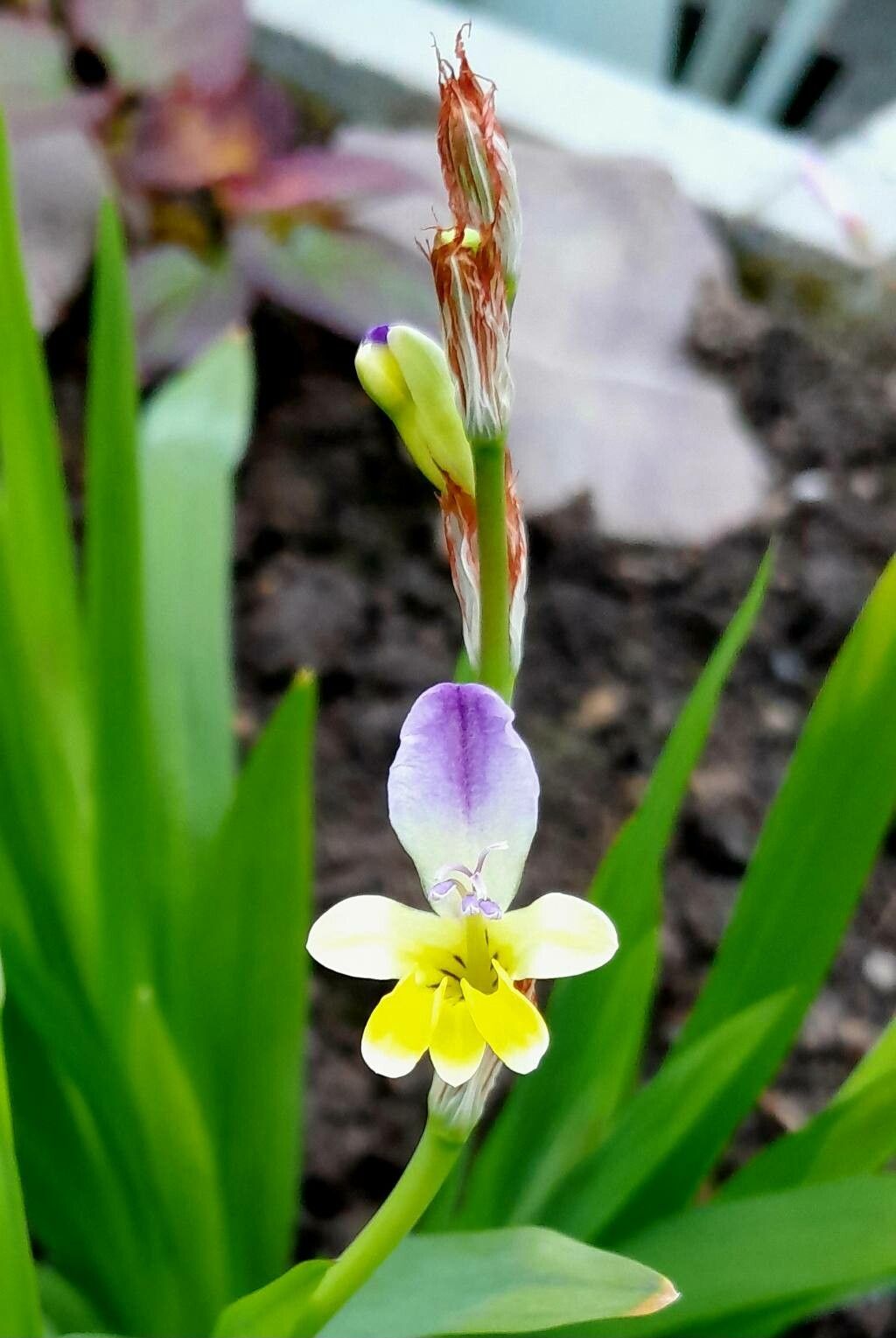
Oh, hello there! Grab a mug, settle in. Today, we’re diving into something truly special: Sparaxis villosa, or as I like to call them, the “Velvet Harlequin Flowers.” If you haven’t encountered these beauties before, imagine delicate, trumpet-shaped blooms in vibrant shades of pink, red, and orange, often with striking dark centers, all dancing atop slender stems. They bring such a joyous burst of color to the garden, especially in late spring. And the best part? Propagating them is a wonderfully rewarding venture, kind of like nurturing a little piece of sunshine to grow! Don’t be intimidated; while they have a few quirks, Sparaxis villosa isn’t overly fussy. With a little patience and these tips, you’ll be well on your way.
The Best Time to Start
For Sparaxis villosa, the absolute sweet spot for propagation is after they’ve finished flowering and are entering their dormant period. This usually happens in late spring or early summer. You’ll notice the foliage starting to yellow and die back. This is your cue! Waiting until this stage allows the plant to focus its energy on developing strong underground structures, which makes division much more successful. Trying to propagate when they’re actively growing can stress them out.
Supplies You’ll Need
Here’s what you’ll want to have on hand:
- Small trowel or garden fork: For gently digging up the plant.
- Sharp, clean pruning shears or a knife: For separating the bulbs.
- Well-draining potting mix: A cactus/succulent mix is a great base, as Sparaxis villosa hates soggy feet. You can amend it with a bit of compost for extra goodness.
- Trays or small pots: For replanting your new divisions.
- Name tags and a marker: To keep track of what’s what!
- (Optional) Rooting hormone powder: While not strictly necessary for division, it can give a little boost if you’re feeling extra cautious.
Propagation Methods: Division is Key!
Sparaxis villosa primarily reproduces through the formation of new corms (what look like bulbs) around the base of the parent plant. So, division is our main game here.
- Gentle Excavation: Once the foliage has died back, carefully dig around the base of your Sparaxis villosa plant with a trowel or garden fork. You want to excavate the entire clump. Be gentle!
- Cleaning Up: Gently brush away as much of the old soil as you can from the clump. You’ll start to see the original corm and then smaller, newly formed corms attached.
- The Separation: This is where your sharp tool comes in. Inspect the new corms. They will be attached to the parent corm by a thin root connection. Carefully cut or twist away the smaller corms. Don’t worry if you leave a few tiny root strays attached; that’s perfectly fine. Try to ensure each new corm has at least one small rootlet.
- Planting Time: Fill your chosen trays or pots with your well-draining potting mix. Create a little hole in the center and plant each new corm about 2-3 inches deep, with the pointy end facing up. Spacing them a few inches apart is good practice.
- Watering In: Give them a light watering to settle the soil.
The “Secret Sauce” (Pro Tips)
Here are a couple of things I’ve learned over the years that really make a difference:
- The “Resting Period” Strategy: Don’t rush to plant your divisions immediately if you aren’t ready. Once separated, I like to let the corms air dry in a cool, shady spot for a day or two. This helps any cut surfaces heal and reduces the risk of rot when they go into fresh soil. Just make sure they aren’t exposed to direct sun.
- Mimic Their Native Home: Sparaxis villosa often comes from areas with lean soil. While compost is good, don’t go overboard in your initial potting mix for divisions. A mix that’s part potting soil, part perlite or sharp sand is often perfect. They appreciate good drainage above all else!
Aftercare & Troubleshooting
Once planted, place your trays or pots in a bright, but not directly sunny, location. A good spot would be an unheated greenhouse, a sheltered patio, or a bright windowsill indoors. For the first few weeks, water sparingly. You only want the soil to be lightly moist, never soggy. Remember, these corms are dormant or just waking up; they don’t need much to get started.
The real magic happens when you see new green shoots emerging. When this happens, you can gradually increase watering slightly, but always let the top inch of soil dry out between waterings.
What if things go wrong? The most common culprit is rot. If you see mushy, dark stems or corms, it’s usually a sign of overwatering or poor drainage. Unfortunately, there’s not much you can do once rot sets in, so the best approach is prevention with that well-draining soil and careful watering. If a corm simply doesn’t sprout after a month or two, don’t despair! Some are just slower to wake up. Keep an eye on it; sometimes, you’ll still get a surprise shoot later on.
Happy Growing!
Don’t you just love the idea of multiplying those gorgeous Sparaxis villosa? It’s a journey of observation and a little bit of nurturing. Be patient with your new little corms; they’ll show you when they’re ready. Enjoy the process, and soon you’ll have even more of these vibrant harlequins to brighten your garden! Happy planting!
Resource:
https://identify.plantnet.org/k-world-flora/species/Sparaxis%20villosa%20(Burm.f.)%20Goldblatt/data