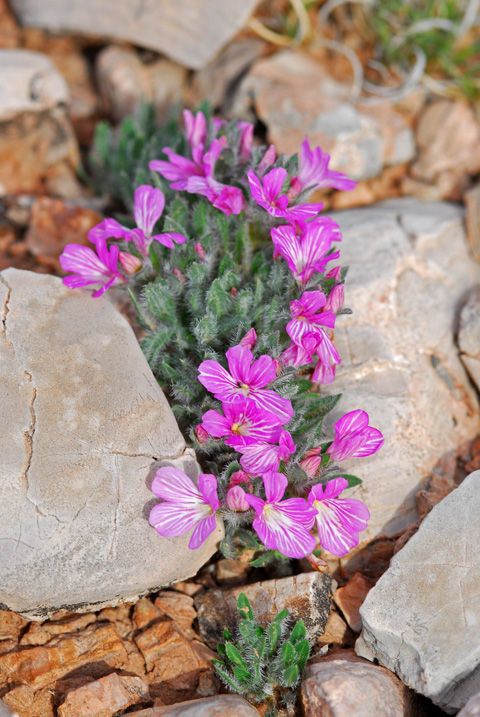
Hello there, fellow plant lovers! It’s me, your garden buddy, back with another exciting propagation project to share. Today, we’re diving into the world of Stenandrium barbatum. If you’re charmed by its delicate, almost fern-like foliage and the subtle elegance it brings to any shady corner, you’re in for a treat. Propagating Stenandrium barbatum is a wonderful way to multiply this beauty, and I find it to be a truly rewarding experience. While it’s not the absolute easiest plant out there for complete beginners, with a little patience and the right approach, you’ll be celebrating success in no time.
The Best Time to Start
When is the magic moment to get your Stenandrium barbatum propagation underway? I find that the late spring to early summer months are your best bet. This is when the plant is really hitting its stride, actively growing and full of vigor. You want to take cuttings from healthy, new growth that’s still somewhat soft but not too young and fragile. Think of it as striking when the iron is hot – or, in this case, when the stems are full of life!
Supplies You’ll Need
Before we get our hands dirty, let’s gather our tools. Having everything ready makes the whole process much smoother.
- Sterilized Pruning Shears or a Sharp Knife: Cleanliness is key to preventing disease.
- Rooting Hormone (Optional but Recommended): This little helper gives your cuttings an extra boost. I like a powder form for ease.
- Small Pots or Seedling Trays: With drainage holes, of course!
- Well-Draining Potting Mix: A good blend for this plant would be roughly equal parts peat moss or coco coir, perlite, and a bit of orchid bark. This ensures good aeration and prevents sogginess.
- Clear Plastic Bag or Dome: To create a humid mini-greenhouse.
- Spray Bottle: For misting.
- Labels and a Marker: To keep track of your precious cuttings.
Propagation Methods
For Stenandrium barbatum, my go-to method, and the one that yields the best results for me, is stem cuttings. It’s straightforward and very effective.
Stem Cuttings:
- Select Your Mother Plant: Find a healthy, well-established Stenandrium barbatum. Look for stems that are a few inches long and have at least two or three sets of leaves.
- Take Your Cuttings: Using your sterilized pruning shears or knife, carefully make a clean cut just below a leaf node (where a leaf attaches to the stem). Aim for cuttings that are about 3-4 inches long.
- Prepare the Cuttings: Gently remove the lower leaves from the cutting, leaving just the top two or three leaves intact. This prevents them from rotting in the soil. If the remaining leaves are very large, you can carefully cut them in half.
- Apply Rooting Hormone (Optional): Dip the cut end of the stem into a small amount of rooting hormone powder. Tap off any excess.
- Plant Your Cuttings: Fill your small pots or trays with your prepared potting mix. Make a small hole in the center of the soil with your finger or a pencil. Carefully insert the cut end of the Stenandrium cutting into the hole, ensuring it’s nestled in firmly.
- Water Gently: Water the soil thoroughly but gently. You want it to be moist, not waterlogged.
- Create a Humid Environment: Place the pots into a clear plastic bag or cover them with a propagation dome. This is crucial for maintaining the high humidity Stenandrium craves. Make sure the leaves aren’t pressed against the plastic.
- Provide Bright, Indirect Light: Place your cuttings in a spot that receives bright, filtered light. Avoid direct sun, which can scorch the delicate leaves.
- Be Patient! This is where the magic happens. Keep the soil consistently moist, but not soggy, and mist the leaves occasionally if the humidity seems to drop.
The “Secret Sauce” (Pro Tips)
Here are a few little tricks I’ve learned over the years that can really give your Stenandrium cuttings that extra edge.
- Bottom Heat is Your Friend: If you have a seedling heat mat, placing your pots on it can significantly speed up rooting. The gentle warmth encourages root development and encourages the plant to get going.
- Don’t Disturb Too Soon: Resist the urge to constantly tug on your cuttings to check for roots. You want to let them establish themselves undisturbed. You’ll typically see signs of new leaf growth or feel a gentle tug when you very carefully try to lift a cutting – that’s your cue!
- Consider a Gentle Airflow: While humidity is vital, stagnant air can encourage fungal issues. If you’re using a plastic bag, try to open it for a few minutes each day to allow for some air circulation. This is often called “hardening off” your cuttings.
Aftercare & Troubleshooting
Once you see signs of new growth, congratulations! This means roots are forming.
- Acclimatize Gradually: As new leaves emerge, you’ll need to start gradually acclimatizing your cuttings to lower humidity. Slowly open the plastic bag or dome more each day over the course of a week or two.
- Watering: Continue to keep the soil evenly moist. As the plant grows and its root system develops, you can let the very top layer of soil dry out slightly between waterings.
- Light: Continue to provide bright, indirect light.
- Feeding: Once you have several new leaves and the plant is visibly growing, you can introduce a dilute liquid fertilizer, about half strength, every 4-6 weeks during the growing season.
Troubleshooting is part of the gardening journey. The most common issue you might encounter is rot. This usually happens when the soil is too wet and there’s poor air circulation. You’ll see the stem become brown and mushy, and the leaves will wilt and turn yellow or black. If you spot this early, you can try to salvage healthy parts of the stem. If the whole cutting is affected, sadly, it’s time to discard it and try again, carefully adjusting your watering and humidity levels.
A Little Encouragement
Propagating Stenandrium barbatum is a journey, and like all good things in the garden, it requires a touch of patience. Don’t be discouraged if your first few attempts don’t yield a forest of new plants. Each experience is a learning opportunity. Celebrate the tiny victories, enjoy the process of nurturing new life, and soon you’ll be rewarding yourself with a whole new collection of these beautiful plants. Happy growing!
Resource:
https://identify.plantnet.org/k-world-flora/species/Stenandrium%20barbatum%20Torr.%20&%20A.Gray/data