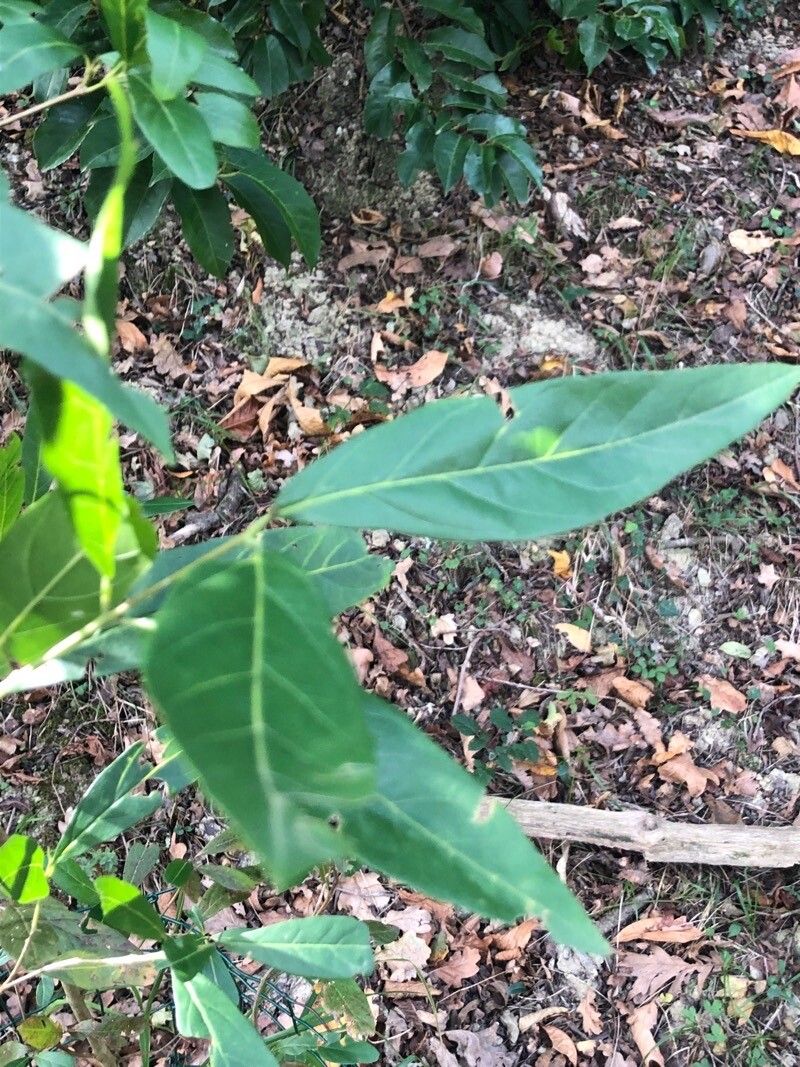
Hello there! It’s so lovely to have you join me in my little corner of the garden today. We’re going to talk about a truly special plant, one that brings such joy and beauty with its delicate, star-shaped white flowers and lovely bronze-tinged new growth. I’m talking about Combretum caffrum, also known as the Cape Bushwillow.
This South African native is a stunner, and I’ve always found propagating it to be such a rewarding experience. It’s not an overwhelmingly difficult plant to get started from cuttings, which is great news for us! Even if you’re relatively new to the gardening world, you can absolutely have success with this one.
The Best Time to Start
For Combretum caffrum, I find the late spring through early summer to be your golden window. This is when the plant is actively growing, but not stressed by the intense heat of mid-summer. You’ll want to take cuttings from semi-hardwood stems. These are stems that are not brand new and tender, but also not completely woody and mature. They should be flexible but starting to firm up.
Supplies You’ll Need
Gathering your supplies before you begin makes the whole process smoother. Here’s what I always have on hand:
- Sharp, clean pruning shears or a sharp knife: Essential for making clean cuts, which helps prevent disease.
- Rooting hormone: A nice boost for your cuttings. I prefer a powdered form, but a gel works too.
- A well-draining potting mix: A good base is crucial. I like to mix equal parts peat moss or coco coir, perlite, and coarse sand. This ensures good aeration and prevents waterlogging. You can also buy specific seed-starting or propagation mixes.
- Small pots or seed trays: Clean ones, of course! About 4-inch pots are usually a good size.
- Plastic bags or a propagation dome: To keep the humidity high around your cuttings.
- A plant to take cuttings from: Your healthy, happy Combretum caffrum!
- Labels and a marker: Trust me, you’ll be glad you labeled everything.
Propagation Methods: Stem Cuttings
This is my go-to method for Combretum caffrum, and it’s quite straightforward.
- Select your stems: Look for those semi-hardwood shoots. You want stems that are about the thickness of a pencil and have at least two nodes (the little bumps where leaves emerge).
- Make your cut: Using your clean shears, make a cut just below a node. This is where the plant’s natural rooting hormones are often concentrated. Aim for cuttings that are about 4-6 inches long.
- Prepare the cutting: Gently remove the lower leaves from the bottom half of the cutting. You want to expose one or two nodes that will be buried in the soil. You can also pinch off any flower buds; these take energy away from root development. If your cutting has large leaves, I sometimes like to cut them in half horizontally. This reduces water loss through transpiration without sacrificing too much surface area.
- Apply rooting hormone: Dip the cut end of the stem into your rooting hormone, tapping off any excess.
- Plant the cutting: Make a little hole in your prepared potting mix with your finger or a pencil. Insert the cutting into the hole, ensuring that at least one or two nodes are buried. Gently firm the soil around the base of the cutting.
- Water gently: Water the pot thoroughly but gently. You don’t want to wash the soil away from the cutting.
- Create humidity: Place the pot inside a plastic bag, forming a mini-greenhouse. You can also use a propagation dome. Ensure the leaves do not touch the sides of the plastic bag if possible; this can encourage rot.
The “Secret Sauce” (Pro Tips)
Here are a couple of things I’ve learned over the years that make a difference:
- Bottom Heat is Your Friend: If you have a heat mat designed for plant propagation, placing your pots on it can significantly speed up root formation. It mimics the warmth of spring soil and gives those little roots a cozy environment to develop.
- Don’t Douse, Dampen: When watering your cuttings initially, aim for consistently moist, not soggy, soil. Overwatering at this stage is a fast track to rot. I often check the soil by gently poking a finger in – if it feels dry about an inch down, it’s time for a light watering.
Aftercare & Troubleshooting
Once you’ve got your cuttings planted, patience is key. Keep them in a bright spot, but out of direct, harsh sunlight. The humidity you’ve created is crucial.
You’ll know your cuttings are rooting when you see new leaf growth or feel a gentle resistance when you very lightly tug on the cutting. This usually takes anywhere from 4-8 weeks, sometimes longer.
If you notice yellowing leaves that then go black and mushy, or if the entire cutting simply wilts and collapses, it’s likely rot. This is often due to too much moisture and not enough air circulation. Sadly, these cuttings are usually lost. Don’t be discouraged if this happens; it’s part of the learning process! Just clean out your pot and try again.
Once your Combretum caffrum cuttings have a good root system – you can often see them peeking out of the drainage holes – it’s time to pot them up into individual, slightly larger pots. Continue to care for them as you would a young plant, gradually introducing them to more light.
A Encouraging Closing
Propagating plants is like planting little seeds of hope in your garden. It’s a testament to nature’s resilience and a deeply satisfying way to fill your space with beauty. Be patient with your Combretum caffrum cuttings. Celebrate each tiny bit of progress, and don’t be afraid to experiment. Happy propagating!
Resource: