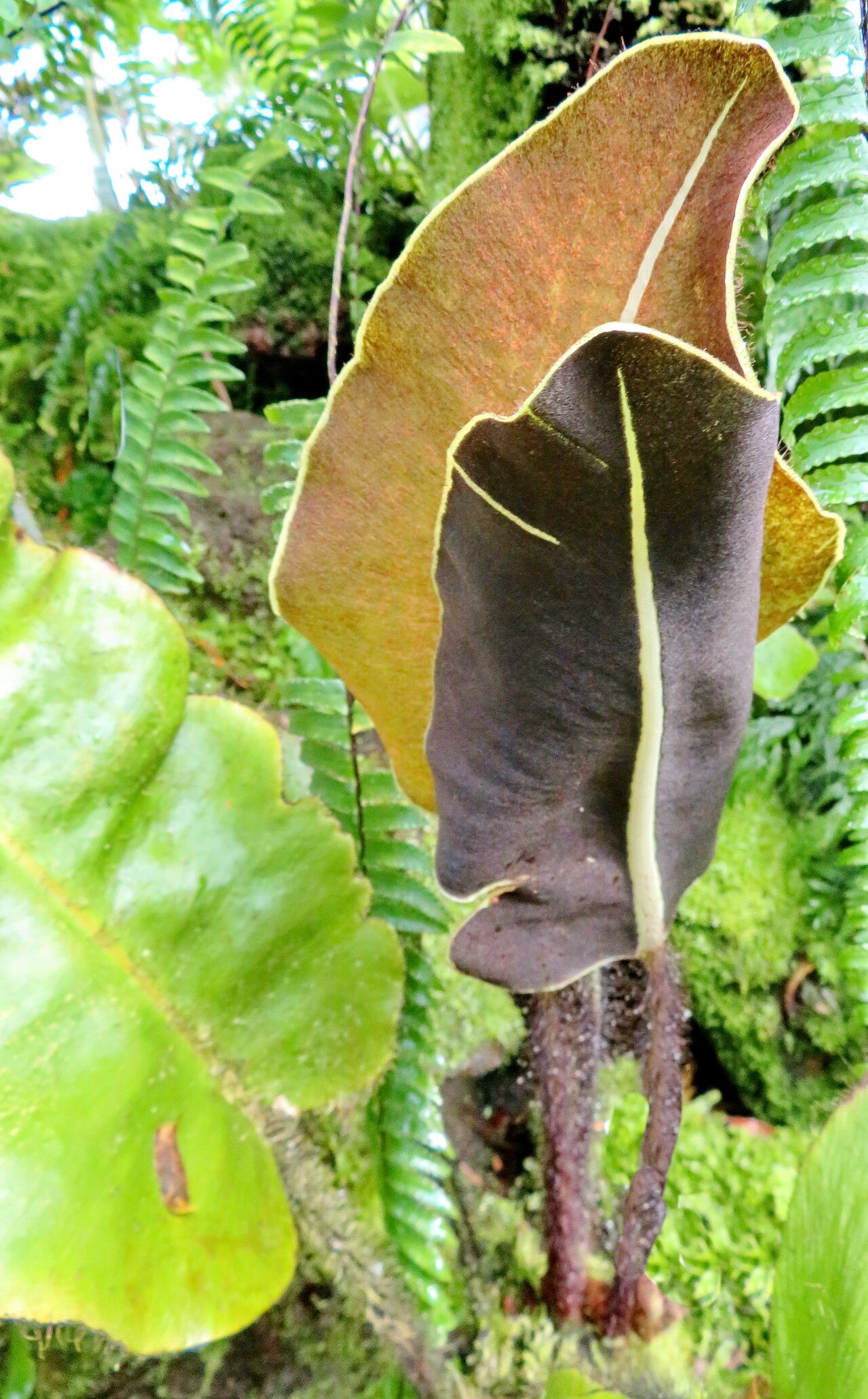
Hey plant friends! Let’s talk about a fern that’s captured my heart: Elaphoglossum crinitum. You might know it as the Hairy Tongue Fern, and for good reason! Its shaggy, almost furry fronds bring such a unique texture and a touch of the wild to any shady corner. Growing them is a joy, and propagating them? Well, that’s where the real magic happens. Sharing these beauties with friends or simply building up your own collection is incredibly rewarding. Now, is it a breeze for absolute beginners? Honestly, Elaphoglossum crinitum can be a bit finicky, but with a little patience and the right approach, you can absolutely succeed.
The Best Time to Start
For the highest chance of success, I always recommend propagating your Elaphoglossum crinitum in the spring or early summer. This is when the plant is in its active growth phase. New growth is full of energy, making it more receptive to rooting. Avoid trying to take cuttings when the plant is dormant or stressed.
Supplies You’ll Need
Gathering your tools beforehand makes the whole process much smoother. Here’s what I like to have on hand:
- Sharp, clean pruning shears or a clean razor blade: Essential for making clean cuts.
- Well-draining potting mix: I usually go for a blend of peat moss, perlite, and orchid bark. A good orchid mix works wonders too.
- Rooting hormone (optional but recommended): This really gives your cuttings a head start. Look for one formulated for herbaceous plants.
- Small pots or propagation trays: Make sure they have drainage holes!
- Clear plastic bags or a propagation dome: To create a humid environment.
- Water: For misting and, if you choose, water propagation.
- Soft brush (optional): For handling fuzzy bits.
Propagation Methods
Let’s get our hands dirty! Elaphoglossum crinitum is most commonly and successfully propagated through division. While cuttings are possible, they can be a trickier route for this particular fern.
Division: The Reliable Route
This is my go-to method for Elaphoglossum crinitum. It’s less about coaxing a single piece to grow and more about helping existing parts thrive.
- Gently remove the fern from its pot. If it’s really snug, you might need to tap the sides of the pot or carefully run a knife around the edge.
- Inspect the root ball. You’re looking for mature rhizomes that are starting to branch or have distinct growth points. You’ll see where the plant naturally wants to split.
- Carefully detangle the roots. You can often do this with your fingers. If it’s really dense, you might need a bit of help from a watering can to loosen the soil.
- Make the cut. Using your clean shears or razor, gently divide the rhizome into sections. Each section should have at least one or two healthy-looking fronds and a good portion of roots. Don’t be afraid to take your time here.
- Prepare your new pots. Fill them with your prepared well-draining mix.
- Plant your divisions. Place each division in a pot, ensuring the roots are spread out and the rhizome is just at the soil surface. Don’t bury the rhizome too deep.
- Water lightly. Give them a gentle drink to settle the soil.
The “Secret Sauce” (Pro Tips)
Here are a few things I’ve learned over the years that make a big difference for Elaphoglossum crinitum.
- Mimic the Humid Understory: These ferns love humidity. After planting divisions, immediately cover the pots with a clear plastic bag or propagation dome. This creates a mini greenhouse effect that keeps them from drying out while they establish. Just be sure to vent it daily for a few minutes to prevent mold.
- Bottom Heat is Your Friend: If you have a seedling heat mat, use it! Placing your pots on a gentle heat mat, set to around 70-75°F (21-24°C), can significantly speed up root development. It’s like giving them a warm hug.
- Rhizome Placement Matters: When planting your divisions, ensure the rhizome (the creeping stem part) sits just at or slightly above the soil line. Burying it too deeply is a common mistake that can lead to rot.
Aftercare & Troubleshooting
Once your divisions are potted up, keep them in bright, indirect light. Avoid direct sun at all costs – it will scorch those delicate new fronds. Water when the top inch of soil feels dry.
The biggest challenge you might face is rot. If you see your new fronds turning mushy or blackening, it’s usually a sign of too much moisture and poor air circulation. Your first step is to remove the affected parts immediately to prevent it from spreading. Ensure your humidity dome is being vented regularly and that the soil isn’t waterlogged. If you’re using rooting hormone, sometimes a little too much can hinder things, so use it sparingly.
A Encouraging Closing
Propagating plants, especially those with a bit of personality like Elaphoglossum crinitum, is a journey. Don’t get discouraged if your first attempt isn’t perfect! It’s all about learning and observing. Be patient, trust the process, and soon you’ll be admiring your new, fuzzy fern babies. Happy growing!
Resource:
https://identify.plantnet.org/k-world-flora/species/Elaphoglossum%20crinitum%20(L.)%20Christ/data