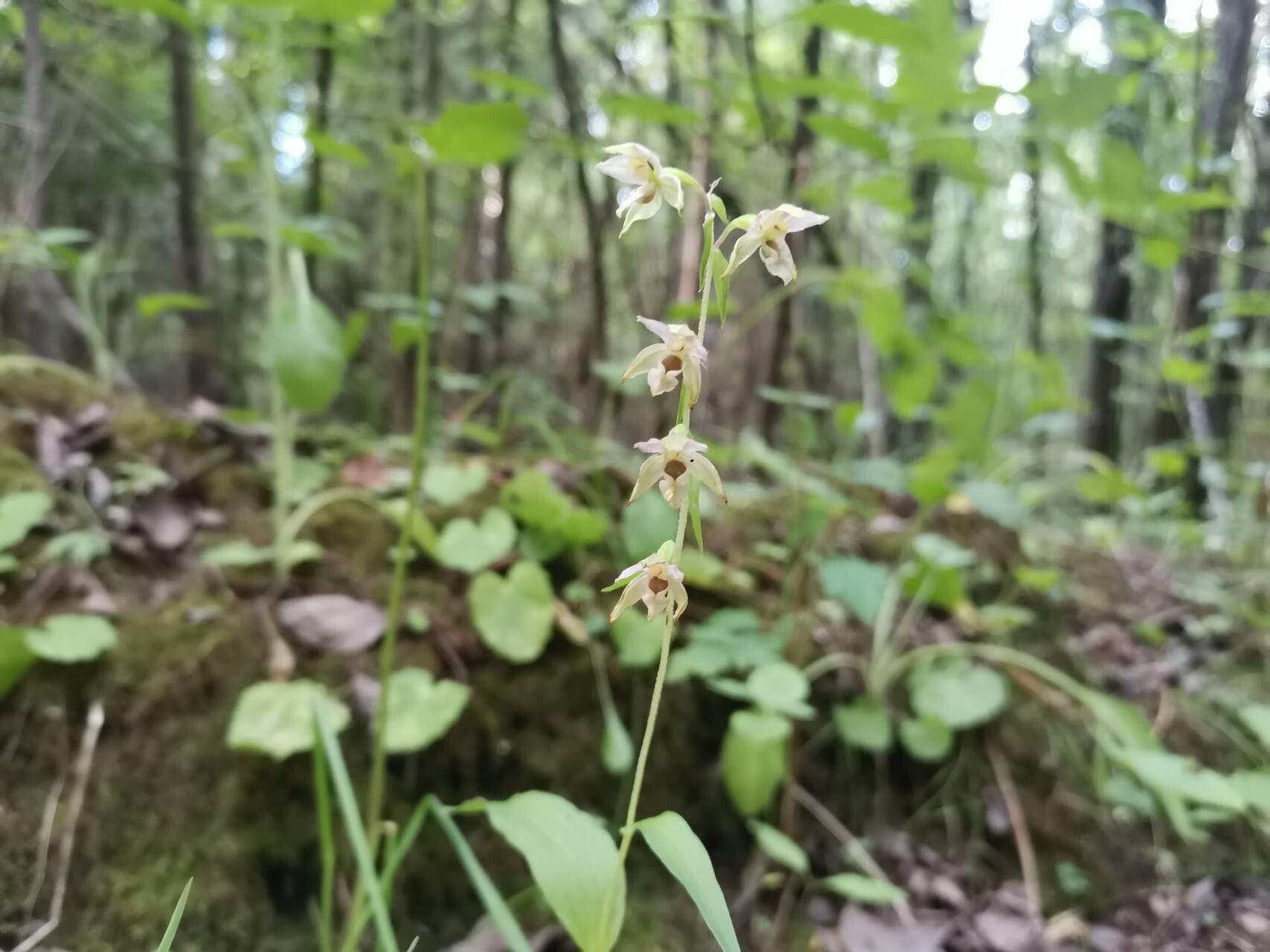
Oh, hello there! Pull up a chair and let’s chat about a real gem of the orchid world: Epipromnum aureum, or as many of us lovingly call it, Pothos. If you’re looking for a plant that brings a splash of vibrant green and a touch of tropical flair into your home, Pothos is your answer. Its trailing vines are simply gorgeous, whether they’re cascading from a shelf or climbing a moss pole. And the best part? Propagating them is wonderfully rewarding. It’s such a simple joy to take a piece of an existing plant and watch it grow into a whole new one. Don’t worry if you’re new to this; Pothos is famously forgiving, making it a fantastic plant for beginners to try their hand at propagation.
When to Get Your Hands Dirty
For Pothos, the warmer months are your best bet. Aim for spring or early summer. This is when the plant is actively growing and has plenty of energy to put into developing new roots. You’ll notice fresh shoots and leaves appearing, which tells you it’s ready and raring to go!
What You’ll Need to Get Started
- Sharp Pruning Shears or Scissors: Cleanliness is key to preventing disease.
- A Jar or Vase: For water propagation.
- Water: Tap water is usually fine, but if yours is very hard, letting it sit out overnight can help.
- Potting Mix: A well-draining mix is crucial. I like a blend of potting soil and perlite or orchid bark for good aeration.
- Small Pots: For when your cuttings have rooted.
- (Optional) Rooting Hormone: While not always necessary for Pothos, it can give an extra boost.
Let’s Get Propagating!
The easiest way to multiply your Pothos collection is through stem cuttings. It’s incredibly straightforward!
- Locate a healthy stem on your parent Pothos plant. Look for one with several leaves.
- Identify a node. This is that little bump on the stem where a leaf grows from. You’ll usually see a tiny nub or aerial root emerging from it. This is where the magic happens!
- Make your cut just below a node. About 1-2 inches below the node is perfect. You can take cuttings with one or two leaves; that’s usually plenty to start. If you’re taking multiple cuttings, aim to get about 3-6 inch pieces of stem, each with at least one or two nodes.
- Prepare your cuttings: If you’re doing water propagation, simply place the cut end of the stem into a jar of water. Make sure at least one node is submerged. If you’re going straight into soil, you can dip the cut end into rooting hormone (if using), then gently press it into your prepared potting mix.
Water Propagation Method:
- Pop your cuttings into a jar of water, ensuring the nodes are submerged.
- Place the jar in a spot with bright, indirect light.
- Change the water every few days to keep it fresh and prevent rot.
- You should start seeing tiny white roots emerge from the nodes in a week or two.
Soil Propagation Method:
- Fill your small pots with your well-draining potting mix.
- Make a small hole in the soil with your finger or a pencil.
- Insert the cut end of your stem cutting into the hole, making sure a node is buried in the soil.
- Gently firm the soil around the stem.
- Water thoroughly, and keep the soil consistently moist but not soggy.
- Place the pots in a warm spot with bright, indirect light.
The “Secret Sauce” from My Garden
- Don’t let the leaves touch the water in propagation jars! If leaves sit in water, they’ll tend to rot. Just the stem and the nodes need to be submerged.
- For the soil method, a little humidity goes a long way. You can create a mini-greenhouse by covering the pot loosely with a clear plastic bag (propped up so it doesn’t touch the leaves!). This keeps the moisture in and encourages root growth. Just remember to vent it occasionally to prevent mold.
- Think about bottom heat. If you’re propagating in cooler weather or want to speed things up, placing your pots or jars on a heating mat designed for plants can make a big difference. It mimics the warmth of spring soil and really encourages roots to form.
Nurturing Your New Sprouts
Once your cuttings have developed a good root system – you’ll see roots about an inch or two long in water, or you can gently tug on a soil cutting and feel resistance – it’s time to transfer them.
- For water cuttings: Gently pot them into your well-draining potting mix. Water them in well.
- For soil cuttings: They’re already in their home! Continue to keep the soil moist but not waterlogged.
The biggest thing to watch out for is rot. This often happens if the cuttings are kept too wet, especially in cooler conditions, or if the water in propagation jars becomes stagnant. If you see a stem turning black and mushy, unfortunately, it’s a sign of rot, and that cutting is probably lost. Don’t be discouraged; just try again!
Keep Going, Green Thumb!
Propagating Pothos is a wonderful way to fill your home with greenery and share the love with friends. Be patient with your new little plants. They’re working hard to establish themselves. Enjoy the process of watching them grow and flourish. Happy propagating!
Resource: