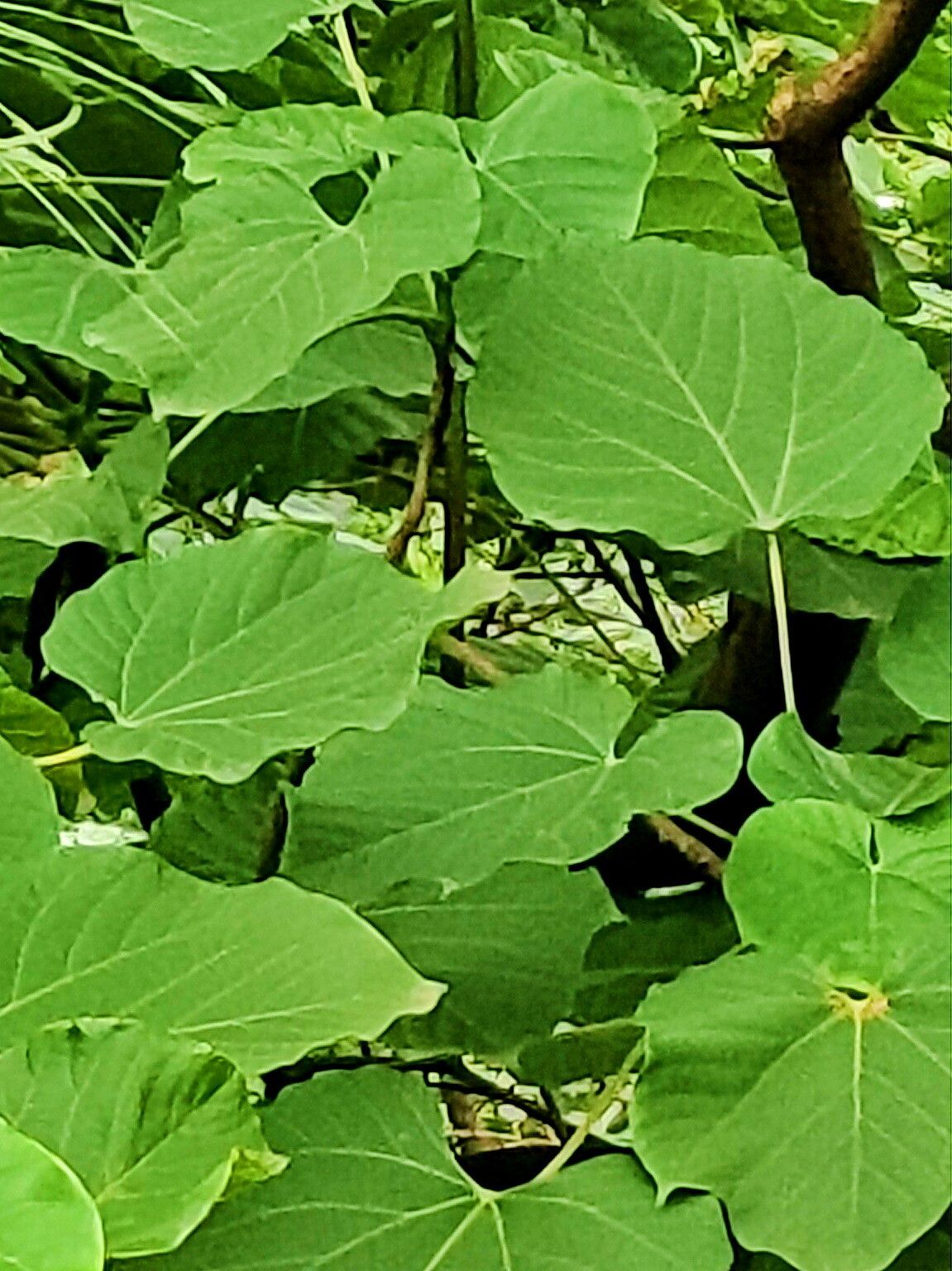
Hello fellow garden enthusiasts! Today, we’re diving into something truly special: propadragating Vernicia fordii, also known as the Tung tree. If you’re drawn to its delicate, white flowers that erupt in spring, often before the leaves even unfurl, and desire to bring more of that beauty into your garden, then you’re in the right place. Growing new Tung trees from your existing ones is incredibly rewarding, like planting a seed of future joy. While not as straightforward as some common houseplants, with a little care and attention, it’s a project any keen gardener can tackle.
The Best Time to Start
For the highest success rate with Vernicia fordii, late spring to early summer is your sweet spot. This is when the plant is actively growing, and the new shoots are mature enough to be taken as cuttings. Look for stems that are semi-hardwood – meaning they’ve started to firm up but are still somewhat flexible. Avoid taking cuttings from very woody old stems or brand new, super-soft growth.
Supplies You’ll Need
Gathering your tools beforehand makes the process so much smoother. Here’s what you’ll want to have on hand:
- Sharp, clean pruning shears or a propagation knife: Cleanliness is crucial to prevent disease.
- Rooting hormone powder or gel: This gives your cuttings a real boost.
- Well-draining potting mix: A blend of peat moss, perlite, and a bit of compost works wonders. You can also buy specific propagation mixes.
- Small pots or seed trays: Make sure they have drainage holes.
- Plastic bags or a propagation dome: To create a humid environment.
- Watering can with a fine rose: For gentle watering.
- Labels and a marker: To keep track of what you’ve propagated and when.
Propagation Methods
While Vernicia fordii can sometimes be propagated from seed, stem cuttings generally offer a faster and more reliable route to new plants, especially for replicating specific varieties. Let’s focus on stem cuttings:
-
Select and Take Cuttings: On a pleasant, overcast day (or in the early morning), choose healthy, non-flowering stems from your Tung tree. You’re looking for shoots that are about 6-8 inches long. With your clean shears, make a clean cut just below a leaf node (where a leaf attaches to the stem). This is where roots are most likely to form. Remove any lower leaves, leaving just a couple at the very top.
-
Prepare the Cutting: Dip the cut end of the stem into your rooting hormone. Gently tap off any excess. You want a light, even coating.
-
Plant the Cuttings: Fill your small pots or trays with your pre-moistened propagation mix. Make a pilot hole with your finger or a pencil. Insert the prepared cutting into the hole, ensuring the leaf nodes are below the soil surface. Firm the mix gently around the stem. You can fit several cuttings per pot, as long as they don’t touch each other.
-
Create a Humid Environment: Water the soil gently. Then, cover the pots with a clear plastic bag (supported by stakes so it doesn’t touch the leaves) or place them under a propagation dome. This traps moisture and humidity, which is vital for cuttings.
The “Secret Sauce” (Pro Tips)
Here are a few tricks I’ve picked up over the years that can really make a difference:
- Bottom Heat is Your Friend: If you’re struggling with cuttings taking a long time to root, consider using a heat mat specifically designed for plant propagation. This gentle warmth from below encourages root development much faster than ambient room temperature alone. You’ll see a significant improvement!
- Don’t Drown Your Cuttings: While humidity is key, too much standing water in the pot can lead to rot. Make sure your potting mix is well-draining, and if you notice water sitting on the surface for too long after watering, lighten up the mix next time or ensure your pots have excellent drainage.
- Air Circulation Matters: Periodically open the plastic bag or dome for a few hours each day. This prevents fungal diseases from setting in and helps the cuttings get some fresh air. It’s a delicate balance between humidity and breathability.
Aftercare & Troubleshooting
Once your cuttings have callused over (which might take a week or two), it’s time to give them consistent moisture. Keep the soil consistently moist but not waterlogged. Mist the leaves occasionally if using a bag or dome.
The magic happens over the next 4-8 weeks (or sometimes longer). You’ll know your cutting is rooting when you see new leaf growth. Gently tugging on the cutting should also reveal some resistance, indicating roots have formed. Once you see good root development, you can gradually acclimate your new plant to normal room conditions by opening the bag/dome for longer periods before removing it entirely.
Troubleshooting: If your cuttings start to turn black and mushy, that’s a clear sign of rot, usually caused by too much moisture and not enough airflow. If they simply wilt and don’t show any signs of life after a long period, they likely didn’t root. Don’t get discouraged! Sometimes it takes a few tries.
A Little Patience Goes a Long Way
Propagating Vernicia fordii is a journey, not a race. There will be moments of waiting and wondering, but witnessing that first tiny root emerge or a new leaf unfurl is pure gardening joy. Be patient, keep your cuttings happy, and enjoy the fulfilling process of growing new life from your beloved Tung tree. Happy propagating!
Resource:
https://identify.plantnet.org/k-world-flora/species/Vernicia%20fordii%20(Hemsl.)%20Airy%20Shaw/data