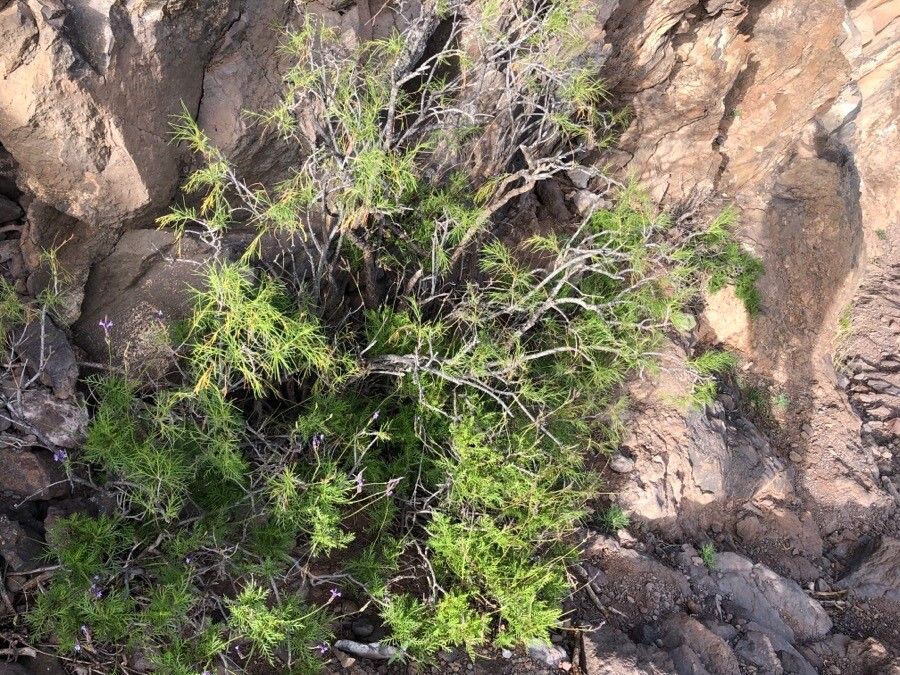
Oh, hello there! Pull up a chair and let’s chat about one of my absolute favorites: Ambrosia monogyra. If you’ve ever seen this beauty, you know why it’s so captivating. Its delicate, feathery foliage and the soft, almost ethereal drift of its blooms are just mesmerizing. And the best part? You can bring that magic into more corners of your garden, or even share it with friends, by propagating your own plants.
Now, I’ll be honest, Ambrosia monogyra isn’t always the absolute easiest plant for those just starting out. It has a bit of a unique personality. But with a little attention and the right approach, you’ll find it’s wonderfully rewarding. It’s one of those plants that, once you get the knack, you’ll feel a real sense of accomplishment.
The Best Time to Start
For the highest success rate with propagating Ambrosia monogyra, I’ve found that late spring to early summer is your sweet spot. This is when the plant is actively growing after its initial spring flush. You want to be working with healthy, vigorous stems that have plenty of energy for rooting. Avoid trying to propagate from plants that are stressed or just coming out of dormancy.
Supplies You’ll Need
Here’s what you’ll want to have on hand before you dive in:
- Sharp, clean pruning shears or a sharp knife: For making precise cuts.
- Rooting hormone (optional, but recommended): A powder or gel that encourages root development.
- Well-draining potting mix: I like a blend of equal parts peat moss or coco coir, perlite, and a little bit of compost. You can also use a seed-starting mix.
- Small pots or trays: Clean ones are crucial to prevent disease.
- Plastic bag or humidity dome: To maintain a humid environment around your cuttings.
- Watering can with a fine rose: For gentle watering.
- Patience!
Propagation Methods
Ambrosia monogyra can be propagated in a couple of ways, but my go-to is stem cuttings. It’s straightforward and often yields excellent results.
Stem Cuttings:
- Select your parent plant: Choose a healthy, mature Ambrosia monogyra that has been growing well.
- Take your cuttings: Using your sharp shears, make a clean cut just below a leaf node (where a leaf attaches to the stem). You’re looking for stems that are about 4-6 inches long and ideally have at least 2-3 leaf nodes on them. It’s best to select semi-hardwood cuttings – stems that are firm but not yet woody.
- Prepare the cuttings: Gently remove the lower leaves from the stem, leaving just a couple of leaves at the very top. This helps the plant focus its energy on rooting rather than supporting a lot of foliage.
- Apply rooting hormone (if using): Dip the cut end of the stem into your rooting hormone, tapping off any excess.
- Plant the cuttings: Fill your small pots or trays with your prepared potting mix. Make a small hole in the center with your finger or a pencil. Insert the cut end of the stem into the hole, ensuring the nodes where you removed leaves are buried to encourage root growth from those points. Gently firm the soil around the stem.
- Water gently: Water thoroughly until the soil is evenly moist.
- Create humidity: Cover the pots loosely with a plastic bag or place them under a humidity dome. Prop the bag up with skewers or chopsticks so it doesn’t touch the leaves.
- Place in bright, indirect light: Find a warm spot that receives bright, indirect light. Avoid direct sun, which can scorch the delicate cuttings.
Water Propagation (Less Common, but Possible):
While I generally prefer soil for Ambrosia monogyra, some gardeners have success with water propagation. If you go this route, be extra careful.
- Take cuttings as described above.
- Place cuttings in a clean jar or vase of water. Only submerge the lower leaf nodes – ensure that no leaves are touching the water. Remove any leaves that would be submerged.
- Change the water every few days. Keep the jar in bright, indirect light.
- Roots should appear in a few weeks. Once the roots are about an inch long, you can carefully transplant them into well-draining potting mix.
The “Secret Sauce” (Pro Tips)
Here are a couple of things I’ve learned over the years that can really boost your success with Ambrosia monogyra:
- Bottom Heat is Your Friend: Ambrosia monogyra really loves a bit of warmth from below. Placing your pots on a heat mat designed for seedlings can significantly speed up root development. It mimics the conditions of spring soil warming up, which is exactly what the plant craves.
- Don’t Disturb Too Soon: Resist the urge to tug on your cuttings to see if they have roots. You can easily damage those fragile new root hairs. Wait until you see visible new growth, like tiny leaves unfurling or stems getting a bit thicker, before you even think about gently transplanting. It’s usually takes at least 4-6 weeks, sometimes longer.
- Air Circulation Matters: While humidity is key, stagnant, overly damp air can lead to fungal issues. Once your cuttings have rooted and are showing good growth, you might want to slightly vent the plastic bag or humidity dome for a few hours a day to get some fresh air circulating around them.
Aftercare & Troubleshooting
Once your cuttings have developed a good root system (you’ll see them peeking out of the drainage holes or notice the plant is firmly anchored), it’s time to treat them like small Ambrosia monogyra plants.
- Gradually Acclimate: If you’ve been using a humidity dome or plastic bag, slowly introduce your new plants to the drier air of your home. Open the cover for longer periods each day over a week or so.
- Watering: Water when the top inch of soil feels dry to the touch. Avoid letting them sit in soggy soil, as this is a fast track to root rot. Root rot is usually indicated by yellowing leaves, stunted growth, and a mushy stem base. If you suspect rot, you may need to try and salvage unaffected parts or start over.
- Light: Continue to provide bright, indirect light.
- Feeding: Once they’re established and showing new growth, you can start feeding them with a diluted liquid fertilizer (half-strength is usually a good starting point) every 2-4 weeks during the growing season.
If your cuttings simply fail to root, don’t be discouraged! It can happen. It might be due to the time of year, the health of the parent plant, or even just a bit of bad luck. Most often, it’s a sign that the cutting wasn’t quite ready, or the conditions weren’t ideal.
A Encouraging Closing
Gardening is a journey, a constant learning experience, and propagating plants like Ambrosia monogyra is a wonderful part of that. Be patient with yourself and your new little plants. Take joy in the process, celebrate the small victories, and don’t be afraid to experiment. Happy propagating!
Resource: