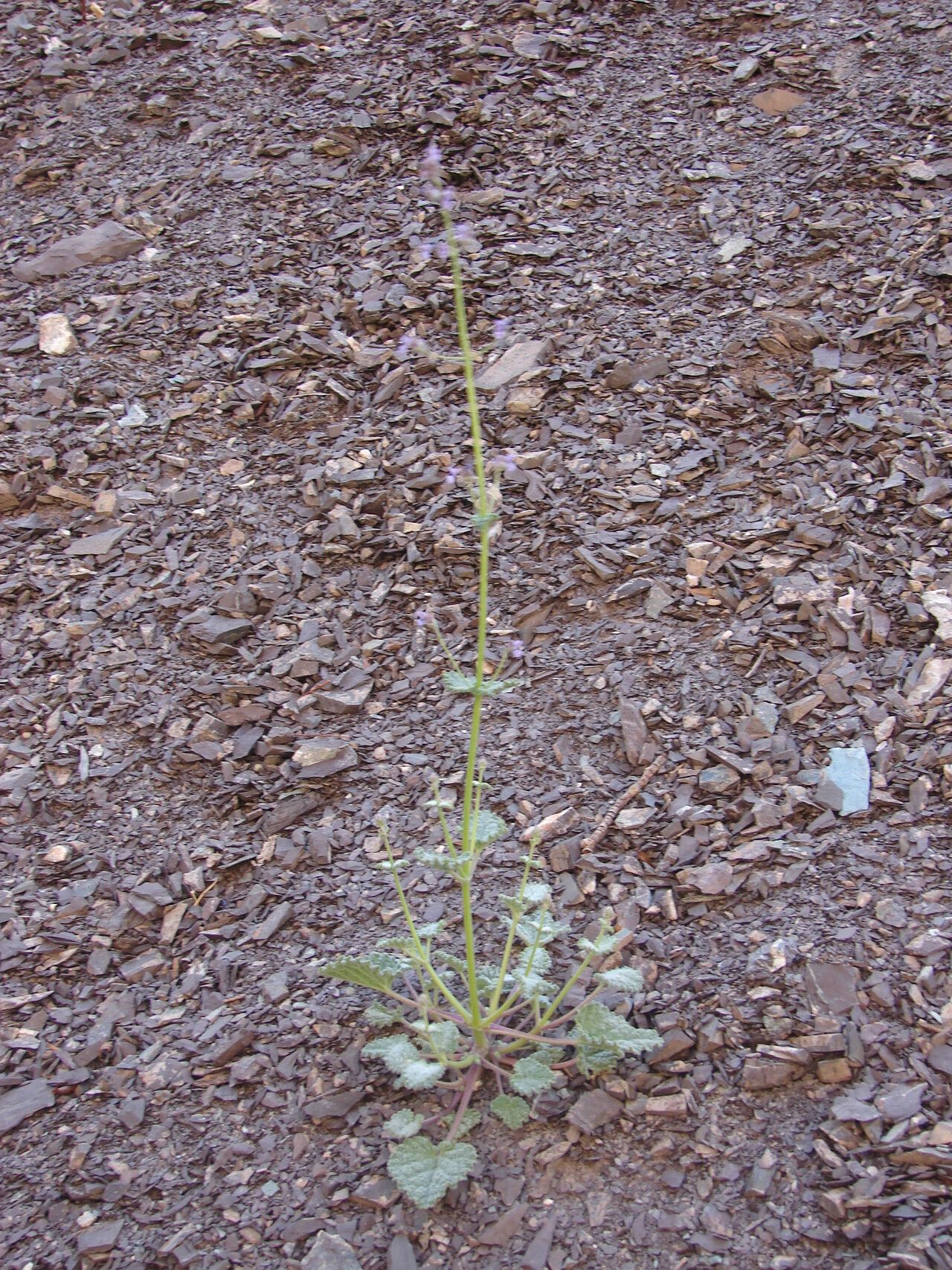
Hello there, fellow plant enthusiasts! I’m so glad you’ve stopped by for a chat. Today, we’re diving into the wonderful world of Nepeta ciliaris, often affectionately called “Ciliate Catmint.” If you love those signature lavender-blue blooms and the gentle, fragrant aroma that wafts through the garden on a warm day, you’re in for a treat. Propagating your own Nepeta ciliaris is incredibly rewarding, and I’m here to walk you through every step. Good news for beginners: this is a wonderfully forgiving plant to start with!
The Best Time to Start
For Nepeta ciliaris, the sweet spot for propagation is generally in late spring or early summer. The plant is actively growing then, and the new shoots have plenty of energy to put into developing roots. You’re looking for stems that are long enough to take cuttings from, but not yet woody. Think of it as harvesting the prime, tender growth right after it’s finished its initial spurt.
Supplies You’ll Need
Gathering your tools beforehand makes the whole process much smoother. Here’s a little list to get you started:
- Sharp pruning shears or a clean, sharp knife: For making clean cuts.
- Rooting hormone (optional, but recommended for cuttings): Helps encourage root development.
- Small pots or seed trays: Clean ones are a must to prevent disease.
- Well-draining potting mix: A blend of equal parts peat moss or coco coir, perlite, and a bit of compost works beautifully.
- Watering can or spray bottle: For gentle watering.
- Plastic bag or propagation dome: To create a humid environment for cuttings.
- Labels: So you don’t forget what you planted!
Propagation Methods
We’ll focus on a couple of my go-to methods that work wonders for Nepeta ciliaris.
Stem Cuttings
This is my favorite way to multiply these lovely plants.
- Take Your Cuttings: In late spring or early summer, identify a healthy, non-flowering stem. Using your clean shears, cut a section that’s about 4-6 inches long. Make the cut just below a leaf node (where the leaves attach to the stem).
- Prepare the Cuttings: Gently remove the lower leaves from the cutting, leaving just a couple of leaves at the very top. This reduces water loss and prevents leaves from rotting in the soil. If your cutting is long, you can tip it, meaning prune off the very top growing tip.
- Apply Rooting Hormone (Optional): Dip the cut end of the stem into rooting hormone, tapping off any excess.
- Plant Your Cuttings: Fill your small pots with your prepared potting mix. Make a small hole in the center of the soil with your finger or a pencil. Insert the cut end of the Nepeta cutting into the hole, making sure it’s firm. Gently firm the soil around the base of the cutting.
- Create a Humid Environment: Water the soil thoroughly but gently. Cover the pot with a plastic bag or a propagation dome, ensuring the leaves don’t touch the plastic. This creates a mini greenhouse effect, keeping the humidity high.
- Place in Bright, Indirect Light: Find a spot that gets bright light but isn’t in direct scorching sun.
Division
If you have an established clump of Nepeta, division is a fantastic and quick way to get more plants.
- Dig Up the Plant: In spring, before it gets too vigorous, or in early fall after flowering, carefully dig up the entire clump.
- Separate the Roots: You can often gently pull the clump apart with your hands. If it’s a bit stubborn, use a spade or a strong fork to divide it into sections, making sure each section has plenty of healthy roots and some leafy shoots.
- Replant Immediately: Replant the divisions into their new spots in the garden or into pots filled with fresh soil. Water them well to help them settle in.
The “Secret Sauce” (Pro Tips)
Here are a few little tricks I’ve learned over the years that can really boost your success:
- Use Bottom Heat: For stem cuttings, placing the pots on a heat mat can significantly speed up root formation. The warmth encourages the plant to send out roots more quickly. You don’t need it scorching hot, just a gentle warmth.
- Don’t Drown Your Cuttings: When watering your cuttings, aim for evenly moist soil, not soggy. Overwatering is one of the quickest ways to invite rot. Letting the surface of the soil dry out just a tiny bit between waterings is often perfectly fine.
- Watch for the “Pull Test”: After a few weeks (it can take anywhere from 3-6 weeks for cuttings), gently tug on a cutting. If you feel resistance, it means roots have formed! You can also look for new leaf growth as a sign of success.
Aftercare & Troubleshooting
Once you see those little roots establishing, or your divisions start to perk up, they still need a little TLC.
- Harden Off: If you’ve grown your cuttings indoors or in a protected spot, it’s crucial to gradually acclimate them to outdoor conditions. This process, called hardening off, involves exposing them to increasing amounts of sun and air over a week or two before planting them out permanently.
- Water Regularly: Keep the soil consistently moist, especially during the first few months. As the plants mature, they become more drought-tolerant.
- Watch for Rot: The most common problem you’ll encounter is rot, which usually manifests as mushy, black stems or leaves that quickly turn yellow and fall off. This is almost always due to overwatering or poor drainage. If you see this, try to remove the affected parts immediately and ensure your soil is well-draining. Sometimes, you can salvage a cutting if you catch it early enough by trimming away the rotted section and repotting in fresh, dry soil.
A Encouraging Closing
Propagating Nepeta ciliaris is a wonderfully accessible way to fill your garden with these delightful blooms. Be patient; nature has its own timeline. Enjoy the process of nurturing these new plants from tiny cuttings or divided clumps. Happy gardening, and may your Nepeta overflow with fragrant beauty!
Resource:
https://identify.plantnet.org/k-world-flora/species/Nepeta%20ciliaris%20Benth./data