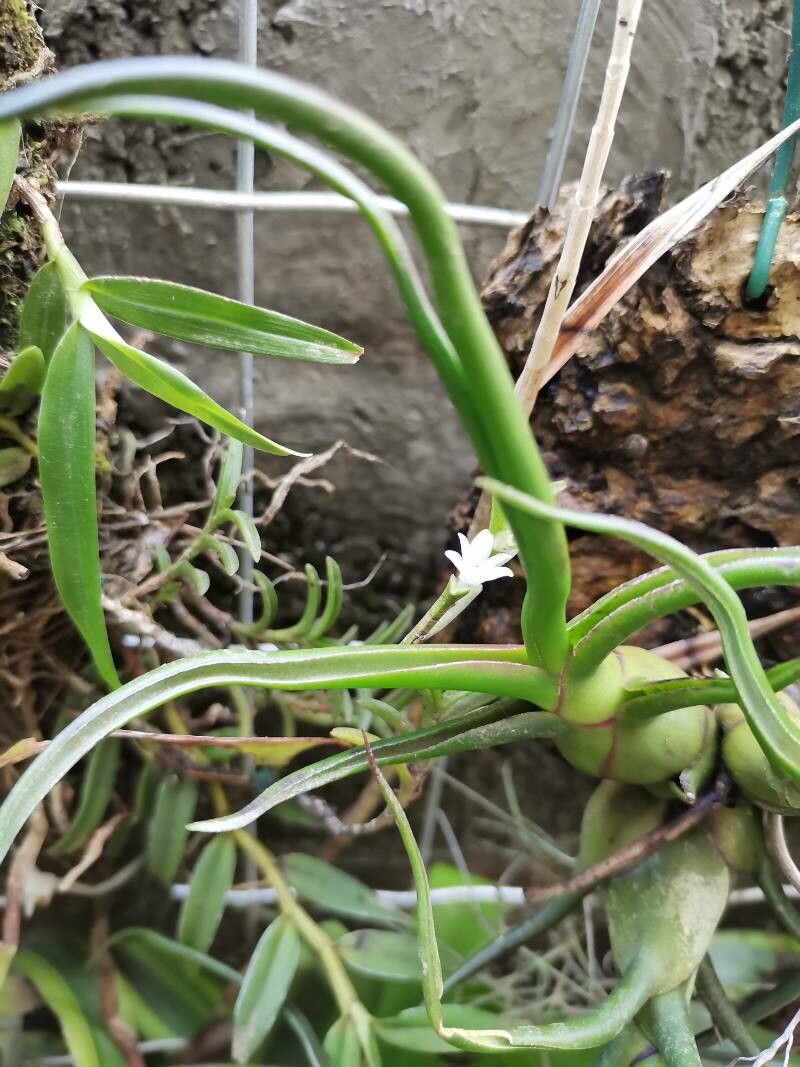
Bringing More Bulbosas into Your Life: A Tillandsia Propagation Guide
Oh, Tillandsia bulbosa! Isn’t it just a marvel? With those wonderfully bulbous bases and those elegant, arching leaves that seem to dance even in still air, it’s a plant that truly captures the imagination. If you’ve fallen for its unique charm like I have, you’ve probably started eyeing up those adorable little pups already and thinking, “Wouldn’t it be lovely to have more of these?” You’re in for a treat, my friend. Propagating these beauties is incredibly rewarding, and while they can be a little bit finicky, with a bit of patience and this guide, you’ll be well on your way to a whole collection.
When to Get Your Hands Dirty
The best time to think about propagating Tillandsia bulbosa is when you see active growth. This usually means the plant is putting out new leaves or, even better, developing those delightful offsets (or pups) at its base. Spring and early summer are generally ideal, as the warmer temperatures and increased light levels encourage robust growth. You’ll want to avoid propagating during the plant’s dormancy period, which is typically in the cooler, darker months.
Your Propagation Toolkit
Gathering your supplies beforehand makes the whole process smoother. Here’s what you’ll want to have ready:
- Sharp, sterile pruning shears or a clean knife: For making precise cuts.
- A small spray bottle: For light misting.
- A suitable potting medium (optional, see below): If you’re not water propagating.
- A clear container: Glass jars or small plastic containers work wonderfully.
- Optional: rooting hormone powder: Can give a little boost, but not always necessary for Tillandsia.
- Optional: sphagnum moss: For some propagation methods.
Making More Magic: Propagation Methods
For Tillandsia bulbosa, the most straightforward and successful methods involve working with its natural way of reproducing – by producing pups.
Method 1: Offsets (Pup Removal)
This is the most common and easiest way to propagate Tillandsia bulbosa. You’ll be looking for those little baby plants that grow from the base of the mother plant.
- Inspect your plant: Gently examine the base of your Tillandsia bulbosa. You’re looking for a pup that is at least one-third the size of the mother plant. It’s important to wait until the pup is substantial enough to have its own roots or enough stored energy to develop them.
- Gently detach the pup: If the pup is already showing signs of separating from the mother plant, you might be able to gently twist or pull it away. If it’s firmly attached, use your sterile pruning shears or knife to make a clean cut as close to the base of the mother plant as possible. Try to preserve any existing roots on the pup.
- Allow to callous: Once separated, do not plant it immediately. Place the pup in a well-ventilated area away from direct sunlight for a day or two. This allows the cut end to dry and form a callous, which helps prevent rot.
- Rooting the pup: This is where you have options!
- Water Propagation: Place the callous end of the pup just above the water line in a clear jar. The goal is to let the developing roots reach the water without the leaves sitting in it. A few pebbles can help prop it up.
- Moss/Medium Propagation: You can also nestle the pup into slightly damp sphagnum moss or a very airy, fast-draining potting mix (like orchid bark or a perlite-heavy mix). Ensure the medium isn’t waterlogged.
Method 2: Division (For Clumps)
Sometimes, Tillandsia bulbosa will form a denser clump. If you have a multi-plant clump that has grown too large or you want to separate it for aesthetic reasons, division is your friend.
- Remove from current situation: If your clump is mounted, carefully unmount it. If it’s in a container, gently remove the whole clump.
- Identify natural breaks: Look for areas where the clump naturally separates into smaller, independent plants.
- Separate with care: Use your sterile shears or knife to cut through any connecting rhizomes or roots. Again, aim for clean cuts and try to keep as many roots intact on each new division as possible.
- Callous and root: Follow steps 3 and 4 from the Offset method for each division.
The “Secret Sauce”: Insider Tips
Now, for those little nuggets of wisdom that we seasoned gardeners pick up along the way!
- The Water Trick: When water propagating, I can’t stress enough: don’t let the leaves of the pup touch the water. This is a prime spot for rot to set in. Think of it like giving it a shower, not a bath!
- Bottom Heat is Your Friend: If you’re struggling with root development or it’s a cooler time of year, placing your propagation container on a gentle heat mat designed for plants can really encourage root growth. Just a little warmth can make a big difference.
- Embrace the Airflow: Tillandsias love air circulation. Whichever method you choose, ensure there’s good airflow around your propagating pup. This means no tightly sealed plastic bags and giving them plenty of space.
Baby Steps: Aftercare & Troubleshooting
Once you start seeing tiny white roots emerging from your pup, congratulations! You’re officially a Tillandsia parent.
- Watering: Continue to mist lightly every few days, or ensure the water level in your propagation container is consistent. If in moss or a mix, water only when the medium is almost dry. You don’t want soggy roots!
- Light: Provide bright, indirect light. Think dappled sunlight, like what you’d find under a canopy of trees.
- Mounting/Potting: Once the roots are a decent length (say, an inch or so), you can mount your new Tillandsia onto a piece of cork, driftwood, or place it in a very airy pot with orchid bark.
- Signs of Trouble: The biggest enemy here is rot. If you see mushy, brown, or black parts on the base of the pup or its leaves, gently remove it and cut away any affected tissue. If the whole pup turns soft and black, sadly, it’s likely too far gone. This usually indicates it was too wet for too long or the cut didn’t callous properly.
A Garden Full of Bulbosas
Propagating plants is a journey of learning and a beautiful way to share the joy of gardening. Be patient with your Tillandsia bulbosa pups. They’re not always the fastest growers, but the reward of seeing them thrive and grow into magnificent plants is absolutely worth it. Happy propagating!
Resource:
https://identify.plantnet.org/k-world-flora/species/Tillandsia%20bulbosa%20Hook./data