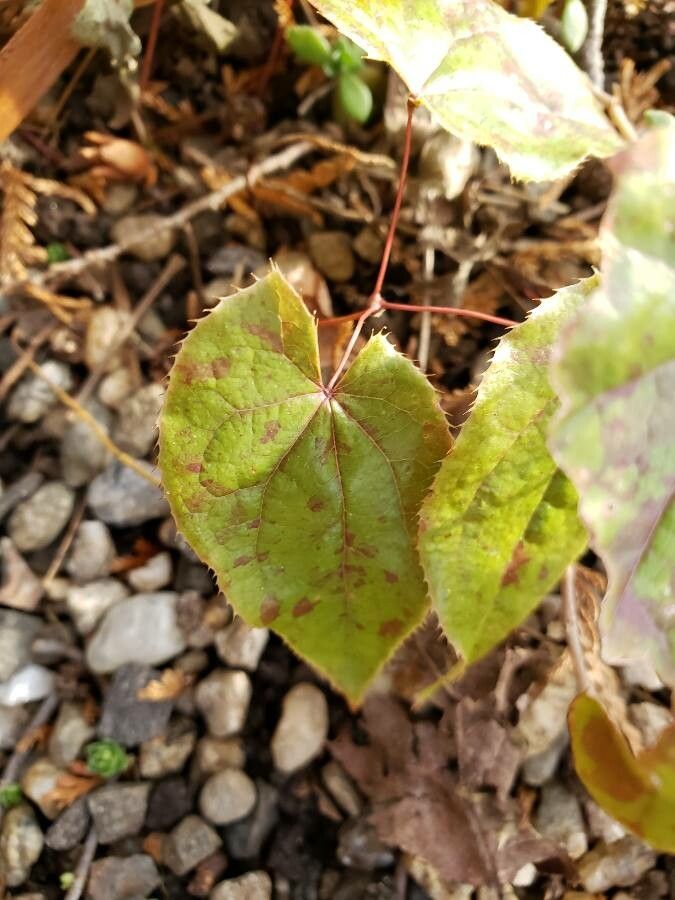
Oh, hello there! Come on in and grab a mug. Today, we’re going to talk about a plant that’s just a little bit special, a real gem for those shadier spots in your garden. We’re diving into the world of Epimedium lishihchenii, or what we often call Chinese Barrenwort.
Why You’ll Love Propagating Epimedium
If you’ve ever admired those delicate, fairy-like flowers cascading from lacy foliage in spring, you know the quiet charm of Epimedium. Epimedium lishihchenii is a particularly lovely one with its graceful sprays of pale pink or white blossoms. Propagating your own means you can share this beauty, fill more of your garden, or even give a special plant to a fellow gardener. Now, is it a breeze for absolute beginners? Honestly, it’s a bit more involved than, say, dividing hostas, but with a little care and attention, it’s absolutely achievable. Think of it as a rewarding challenge!
When to Get Your Hands Dirty
For Epimediums, the absolute sweet spot for propagation is early spring, just as the new growth is starting to emerge. You’ll see those tentative shoots unfurling, and this is when the plant has the most energy to dedicate to new roots. Late summer, after flowering has finished, can also work, but I’ve found spring gives us the best bang for our buck.
Your Propagation Toolkit
Here’s what you’ll want to have ready before you start:
- Sharp Pruning Shears or a Clean Knife: For making clean cuts. Sterilize these with rubbing alcohol between uses!
- A Good Potting Mix: I like a blend of peat moss, perlite, and a bit of compost. You want something that drains well but also holds some moisture.
- Small Pots or Trays with Drainage Holes: For your cuttings or divisions.
- Rooting Hormone (Optional but Recommended): A powdered or liquid hormone can give your cuttings a helpful boost.
- A Watering Can or Spray Bottle: For gentle watering.
- Labels and a Marker: To remember what you’ve planted and when!
Bringing Your Epimedium Back to Life: Methods
There are a couple of ways to multiply your Epimedium. The most reliable, especially for lishihchenii, is division.
Method 1: Division (My Favorite!)
This is the most straightforward and successful method for Epimediums.
- Gently Excavate: In early spring, carefully dig up the entire plant (or a section of it) you want to propagate. Try not to damage the roots too much. A good soaking the day before can make this easier.
- Inspect and Separate: Once out of the ground, the goal is to gently pull or tease apart the root ball. You’re looking for sections that have their own set of healthy roots and at least one or two good crowns or shoots. If it’s a bit stubborn, use your pruning shears to carefully cut through thicker rhizomes, ensuring each piece has roots.
- Pot Them Up: Fill your small pots with your prepared potting mix. Make a little hole in the center and place your divided section so the top of the root ball is about an inch below the soil surface. Firm the soil gently around it.
- Water and Settle: Water thoroughly until you see it drain from the bottom. This helps settle the soil.
Method 2: Stem Cuttings (A Bit Fiddlier)
This method is less common for Epimediums and can be trickier, but it’s worth a try if you have healthy material.
- Select Your Cuttings: In spring, when you see new, soft growth, choose stems that are about 4-6 inches long. Make a clean cut just below a leaf node.
- Prepare the Cuttings: Remove the lower leaves. You want at least two sets of leaves remaining at the top. If you’re using rooting hormone, dip the cut end into it, tapping off any excess.
- Plant Them Up: Fill small pots with a light, sandy, well-draining mix. Make a small hole with a pencil or dowel. Insert the cutting so that one or two leaf nodes are buried in the soil.
- Create a Humid Environment: This is key for cuttings! Cover the pot loosely with a plastic bag or a clear plastic dome. This traps humidity, which cuttings desperately need to form roots. Place in a bright, indirect light spot.
The “Secret Sauce”: Insider Tips
Here are a few little tricks that have made all the difference for me:
- Don’t Rush the Potting Mix: For divisions, make sure your mix is moist but not soaking wet when you plant. It should just hold its shape when you squeeze it. For cuttings, a sandier mix really helps prevent rot which is the bane of stem cuttings.
- Bottom Heat is Your Friend (for Cuttings): If you’re attempting stem cuttings, placing your pots on a gentle heat mat can significantly speed up root formation. Epimedium roots like a bit of warmth to get going.
- Patience is a Virtue (Especially with Cuttings): Don’t be discouraged if you don’t see new growth immediately on cuttings. It can take several weeks, or even months, for roots to develop sufficiently. Trust the process!
Life After Rooting & What If Things Go Wrong
Once your divisions are planted or your cuttings have started to show signs of new growth (a tiny leaf unfurling from the top, or a gentle tug that meets resistance), you’re on the right track!
- Watering: Keep the soil consistently moist but not waterlogged. This is crucial. Overwatering is the quickest way to invite rot.
- Light: Keep new divisions and more established cuttings in part to full shade for the first season. They aren’t as tough as mature plants, and direct sun will scorch them.
- Acclimatize: If you used a plastic dome on your cuttings, gradually remove it over a week or two to let them get used to normal humidity.
- Signs of Trouble: The biggest culprit is rot. You’ll see mushy stems or roots, and the plant will likely wilt and turn black. If you catch it early on a division, you might be able to salvage a healthy piece. For cuttings, sadly, it’s often a lost cause. Yellowing leaves can sometimes mean too much direct sun or too little water.
Keep Growing!
Propagating Epimedium, especially through division, is a wonderfully rewarding way to extend their reach in your garden. It takes a little patience, a gentle touch, and a keen eye, but seeing those new plants establish themselves is a joy. Don’t be afraid to get your hands dirty – that’s where the real magic happens. Happy gardening!
Resource:
https://identify.plantnet.org/k-world-flora/species/Epimedium%20lishihchenii%20Stearn/data