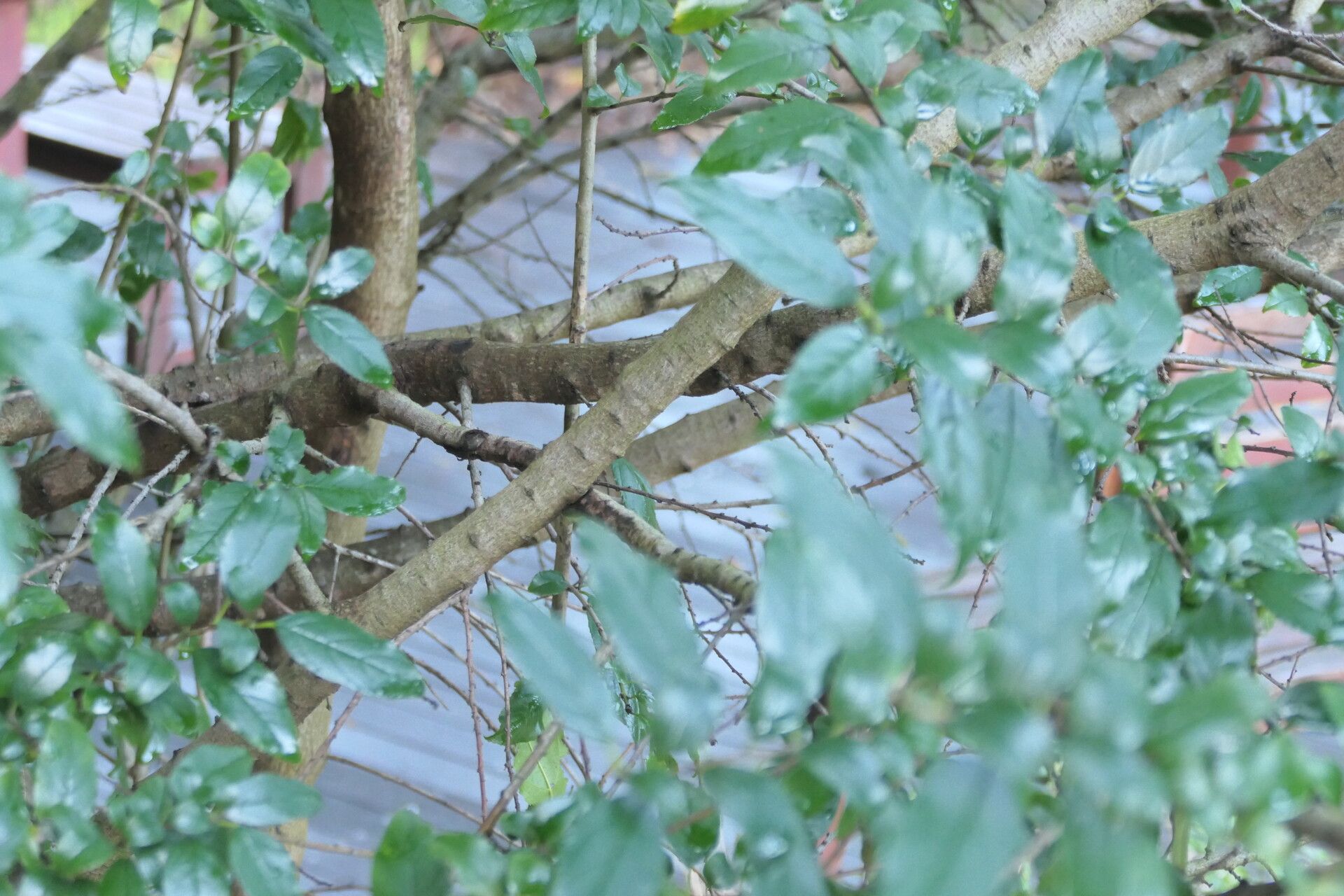
Oh, Rhamnus prinoides! If you’re looking for a plant that offers a lovely splash of glossy, evergreen interest regardless of the season, this is it. Its dark, leathery leaves and graceful habit make it a favourite for many gardens, and once you have one, you’ll likely want more. The joy of creating new plants from your existing ones is truly special, and while Rhamnus prinoides can be a little particular, I promise it’s a rewarding journey, even for those new to the plant world.
The Best Time to Start
For the best chance of success, I always reach for Rhamnus prinoides cuttings when it’s actively growing. That generally means late spring or early summer. The plant has energy to spare at this time, making it more receptive to rooting. You can also try in early autumn, but the energy levels might be lower as the plant prepares for winter.
Supplies You’ll Need
Here’s what I always have on hand when I’m getting ready to propagate:
- Sharp pruning shears or a clean, sharp knife: For making clean cuts.
- Rooting hormone: A powder or gel makes a big difference for harder-to-root species.
- Well-draining potting mix: I often use a blend of perlite, peat moss, and a bit of compost.
- Small pots or trays: Clean ones are crucial!
- Plastic bags or a propagator: To create a humid environment.
- Water: For misting and, well, watering.
- A small trowel or dibber: For making holes in the soil.
Propagation Methods
I find stem cuttings to be the most reliable way to get new Rhamnus prinoides plants.
-
Take Your Cuttings: On a healthy, non-flowering branch, look for growth that’s firm but not woody – often called semi-hardwood cuttings. They should be about 4-6 inches long. Using your sharp shears, make a clean cut just below a leaf node (where a leaf attaches to the stem). Remove the lower leaves, leaving just a few at the top.
-
Dip in Rooting Hormone: Gently dip the cut end of each cutting into your rooting hormone, tapping off any excess. This isn’t strictly essential for all plants, but for Rhamnus prinoides, it really gives them a helpful boost.
-
Pot Them Up: Fill your clean pots with your well-draining potting mix. Make small holes using a trowel or dibber, then carefully insert the cuttings. Firm the soil gently around the base.
-
Create Humidity: Give the soil a good watering. Then, place the pots inside a plastic bag – a clear one is best so you can see what’s happening – or into a propagator. Seal the bag loosely or close the propagator lid. This trap’s humidity, which is vital for cuttings.
The “Secret Sauce” (Pro Tips)
Here are a couple of things I’ve learned over the years that can really tip the scales in your favour:
- Bottom Heat is Your Friend: If you have a heated propagator or a heat mat, use it! Providing gentle warmth from below encourages roots to form much more quickly and reliably. It’s like a cozy little incubator for your cuttings.
- Cleanliness is Paramount: I can’t stress this enough. Sterilize your tools with rubbing alcohol before you start, and use clean pots. This prevents any nasty fungal infections from taking hold, which can be a killer for young cuttings.
Aftercare & Troubleshooting
Once your cuttings are potted up, water them gently and keep them in bright, indirect light. Avoid direct sun, which can scorch the leaves. Resist the urge to constantly check for roots too early! It usually takes several weeks. You’ll know they’re rooting when you see new growth appearing, or when you give the pot a gentle tug and feel resistance.
If you see yellowing leaves or wilting, it could be a sign your cutting isn’t making it. Brown, mushy stems at the soil line are a sure sign of rot, usually caused by too much moisture and poor drainage. If you spot rot, it’s best to discard the affected cutting before it spreads.
A Encouraging Closing
Propagating Rhamnus prinoides is a wonderful way to expand your garden and share these beautiful plants. Don’t be discouraged if your first few attempts aren’t perfect – gardening is all about learning and experimenting! Be patient, keep an eye on your cuttings, and enjoy the satisfaction of nurturing new life. Happy propagating!
Resource:
https://identify.plantnet.org/k-world-flora/species/Rhamnus%20prinoides%20L’Hér./data