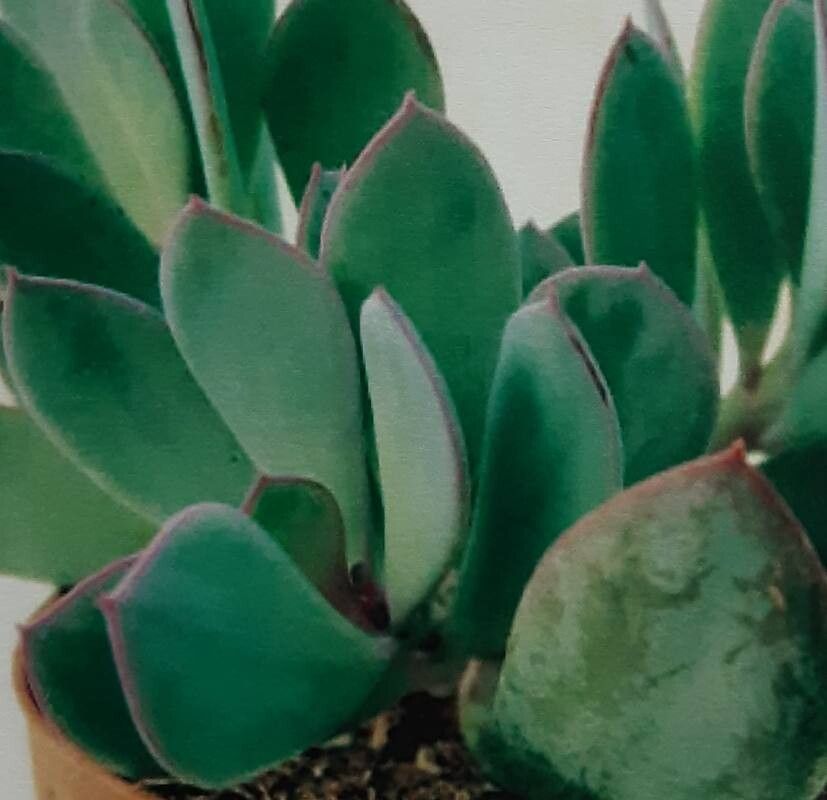
Hello fellow plant lovers! Today, we’re diving into the wonderful world of propagating Senecio crassissimus, also known as the Horizontal Leaf Senecio or Vertical Leaf Senecio. If you’ve ever admired its striking, upright, silvery-blue leaves that seem to stand at attention, you’re in for a treat. Not only is this plant a stunning addition to any collection, but multiplying it is also incredibly rewarding. And for those of you just starting your plant parenting journey, I’m happy to report that Senecio crassissimus is quite forgiving. You’ll likely have success with your first few tries!
The Best Time to Start
The sweet spot for propagating Senecio crassissimus is definitely spring or early summer. This is when the plant is actively growing and has the most energy to put into developing new roots. While you can attempt propagation at other times, you’ll find that those warmer months give your cuttings the best boost. Look for a stem that’s firm and healthy, not floppy or showing any signs of stress.
Supplies You’ll Need
Here’s what I always have on hand when I’m ready to get propagating:
- Sharp, clean pruning shears or a knife: For making clean cuts.
- Rooting hormone (optional but recommended): A little powder or gel can speed things up.
- Well-draining potting mix: I often use a mix of regular potting soil with a good amount of perlite or coarse sand. Cactus and succulent mixes work wonderfully too.
- Small pots or containers: Clean ones are a must to prevent disease.
- Watering can or spray bottle: For gentle watering.
- A bright, indirect light location: Avoid direct sun immediately.
Propagation Methods
The most straightforward way to multiply your Senecio crassissimus is through stem cuttings. It’s simple and highly effective.
- Take the Cuttings: Using your clean shears or knife, select a healthy stem or a lengthy leaf stalk that has at least two or three leaves. Cut it cleanly about 4-6 inches down from the tip. If you’re taking leaf cuttings, gently twist or cut off a healthy leaf where it meets the stem.
- Allow to Callus (Crucial Step!): This is super important for succulents. Lay your cuttings on a dry paper towel or in an empty tray in a warm, dry spot out of direct sun for a few days to a week. You want the cut end to dry out and form a callus. This prevents rot when you plant them.
- Prepare for Planting: Once callused, you can dip the cut end of the stem cutting into rooting hormone if you’re using it.
- Plant the Cuttings: Fill your small pots with your well-draining mix. Make a small hole with your finger or a pencil. Gently insert the callused end of the stem cutting about an inch or two deep into the soil. For leaf cuttings, simply lay them on top of the soil, or gently press the callused end into the soil. You don’t need to bury the whole leaf.
- Water Sparingly: After planting, give the soil a very light watering. You want it to be just slightly moist, not soggy.
The “Secret Sauce” (Pro Tips)
Here are a couple of little tricks that have helped me over the years:
- Don’t be afraid to take stem cuttings: While leaf cuttings can work, your success rate will be much higher and you’ll get a fuller plant faster if you take cuttings that include a bit of stem. It gives the little plant something to anchor to and more reserves to draw from.
- Avoid misting until roots form: I know it’s tempting to mist those cuttings, but for succulents like Senecio crassissimus, it can invite rot. Instead, water from the bottom by placing your pots in a tray of water for about 15-20 minutes, allowing the soil to wick up moisture.
Aftercare & Troubleshooting
Once your cuttings are planted, find them a spot that receives bright, indirect light. Think of a sheltered spot where the sun is filtered by trees or a sheer curtain. Resist the urge to water too frequently. Let the soil dry out almost completely between waterings. You’ll know your cutting is starting to root when you gently tug on it and feel resistance, or when you see new growth emerging.
The most common problem you’ll encounter is rot. If you see your cutting turning black and mushy, it’s a sign of too much moisture and not enough air circulation. Unfortunately, a rotten cutting is usually a goner. If you catch it early, you can try to salvage a healthy section, let it callus again, and replant.
A Little Patience, A Lot of Joy
Propagating plants is such a fulfilling part of gardening. It’s like creating life with your own two hands! Be patient with your Senecio crassissimus cuttings. Some may take a few weeks to show signs of life, while others might be a bit quicker. Don’t get discouraged if one doesn’t make it; just learn from it and try again. Happy propagating!
Resource:
https://identify.plantnet.org/k-world-flora/species/Senecio%20crassissimus%20Humbert/data