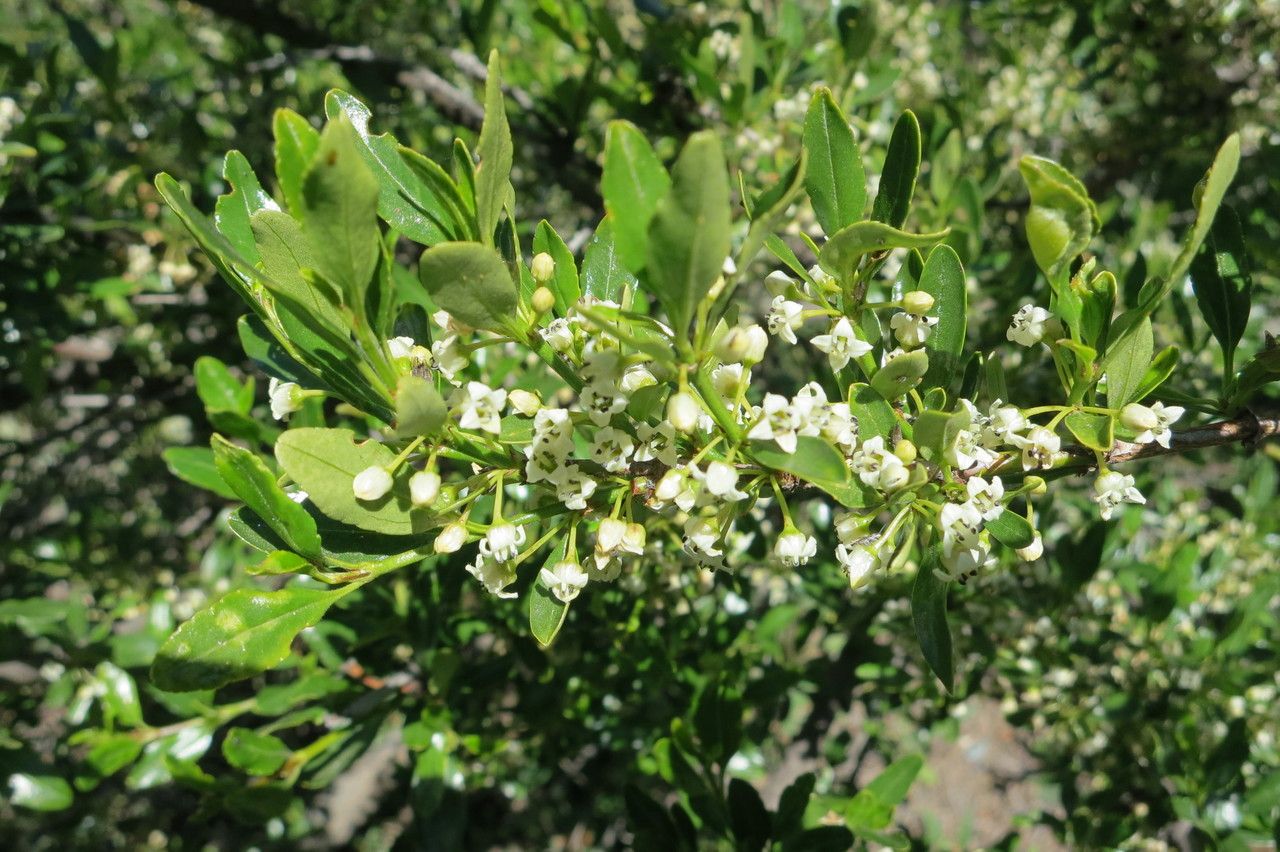
Hello, fellow plant lovers! Today, we’re diving into the wonderful world of Discaria chacaye, sometimes called the “Jaguar’s Tooth” or “Hawthorn Thorn.” If you’ve ever admired its intricate, thorny branches and the delicate white flowers that appear like tiny stars against the dark wood, you’re in for a treat. Propagating this unique shrub is a really satisfying way to multiply that beauty for your own garden or to share with friends. Now, I’ll be honest, Discaria chacaye can be a bit of a patient gardener’s plant, not the easiest for absolute beginners, but absolutely achievable with a little know-how and a good dose of optimism.
The Best Time to Start
For the highest success rate with Discaria chacaye stem cuttings, I’ve found that late spring to early summer is usually your sweet spot. This is when the plant is actively growing, but before the wood gets too hard. You’re looking for stems that are semi-hardwood – they’ve grown this year, are a little flexible, but not completely soft and leafy. Think of it as being in that sweet spot between brand new growth and old, woody branches.
Supplies You’ll Need
Gathering your tools beforehand makes the whole process smoother. Here’s what you’ll want on hand:
- Sharp, sterile pruning shears or a clean knife: For making clean cuts.
- Rooting hormone (optional but recommended): Helps encourage root development. Look for one with IAA or IBA.
- A well-draining potting mix: A good blend is typically 1 part peat moss, 1 part perlite, and 1 part coarse sand. You can also find pre-made cactus or succulent mixes that work well.
- Small pots or trays: Clean ones, please! About 4-6 inches deep is ideal.
- A plastic bag or a propagator lid: To create a humid environment.
- Spray bottle: For misting.
- Labels and a marker: So you don’t forget what you’ve planted!
Propagation Methods: Stem Cuttings
This is generally the most successful way to propagate Discaria chacaye for us home gardeners.
- Take Your Cuttings: On a nice, mild day, select healthy, semi-hardwood stems. Look for pieces that are about 4-6 inches long. Using your clean shears, make a clean, angled cut just below a leaf node (where a leaf attaches to the stem). Remove the lower leaves from the cutting, leaving just a few at the top.
- Prepare for Rooting: If you’re using rooting hormone, dip the cut end of the stem into the powder or gel. Tap off any excess.
- Plant Your Cuttings: Fill your clean pots with your prepared, slightly moistened potting mix. Make a small hole in the center of the mix with your finger or a pencil. Gently insert the cut end of the Discaria cutting into the hole, ensuring the rooting hormone (if used) makes good contact with the soil. Firm the soil gently around the cutting to support it.
- Create a Humid Environment: Water lightly. Then, cover the pot with a clear plastic bag, making sure the leaves don’t touch the plastic. Alternatively, place the pot inside a propagator with a lid. This traps moisture, which is crucial for cuttings to develop roots before they dry out.
- Find a Good Spot: Place your pots in a bright location that receives indirect light. Avoid direct, hot sun, as this can scorch the cuttings and make them dry out too quickly.
The “Secret Sauce” (Pro Tips)
Here are a couple of things I’ve learned over the years that really make a difference:
- Bottom Heat is Your Friend: Discaria chacaye cuttings absolutely love a little warmth from below. Using a heat mat designed for propagation can significantly speed up root formation. It mimics the warmth of summer soil and encourages those roots to get going. Just place your pots on top of it.
- Don’t Drench, Mist! It’s tempting to water thoroughly, but overwatering is the quickest way to a rotted cutting. Instead of drenching, mist the leaves and the soil surface lightly every couple of days, or whenever the soil surface starts to look dry. The plastic bag or propagator lid will help keep the humidity levels high in between mistings.
Aftercare & Troubleshooting
Once your cuttings have been in place for about 4-8 weeks (it can sometimes take longer, remember that patience!), you can start to gently tug on them. If you feel resistance, congratulations – you’ve got roots!
- Introduce Them Gradually: Once you see roots, remove the plastic bag or propagator lid for a few hours each day, gradually increasing the time over a week. This helps them acclimate to drier air.
- Watering: Continue to water when the top inch of soil feels dry.
- Signs of Trouble: The biggest culprit for Discaria cuttings is rot. If your cutting turns black and mushy, or if you see mold growing, it’s likely succumbed to overwatering and poor air circulation. Don’t be discouraged; just start again with fresh cuttings and a lighter hand on the water. Another sign of failure is if the cutting simply shrivels and dries out, which usually means it didn’t get enough humidity or the environment was too hot.
Happy Propagating!
Growing new plants from cuttings is such a rewarding experience. It connects you even more deeply with your garden and the amazing resilience of nature. Be patient with your Discaria chacaye cuttings, offer them a little bit of warmth and humidity, and chances are you’ll be rewarded with new life. Enjoy the process, and I can’t wait to hear about your successes!
Resource:
https://identify.plantnet.org/k-world-flora/species/Discaria%20chacaye%20(G.Don)%20Tortosa/data