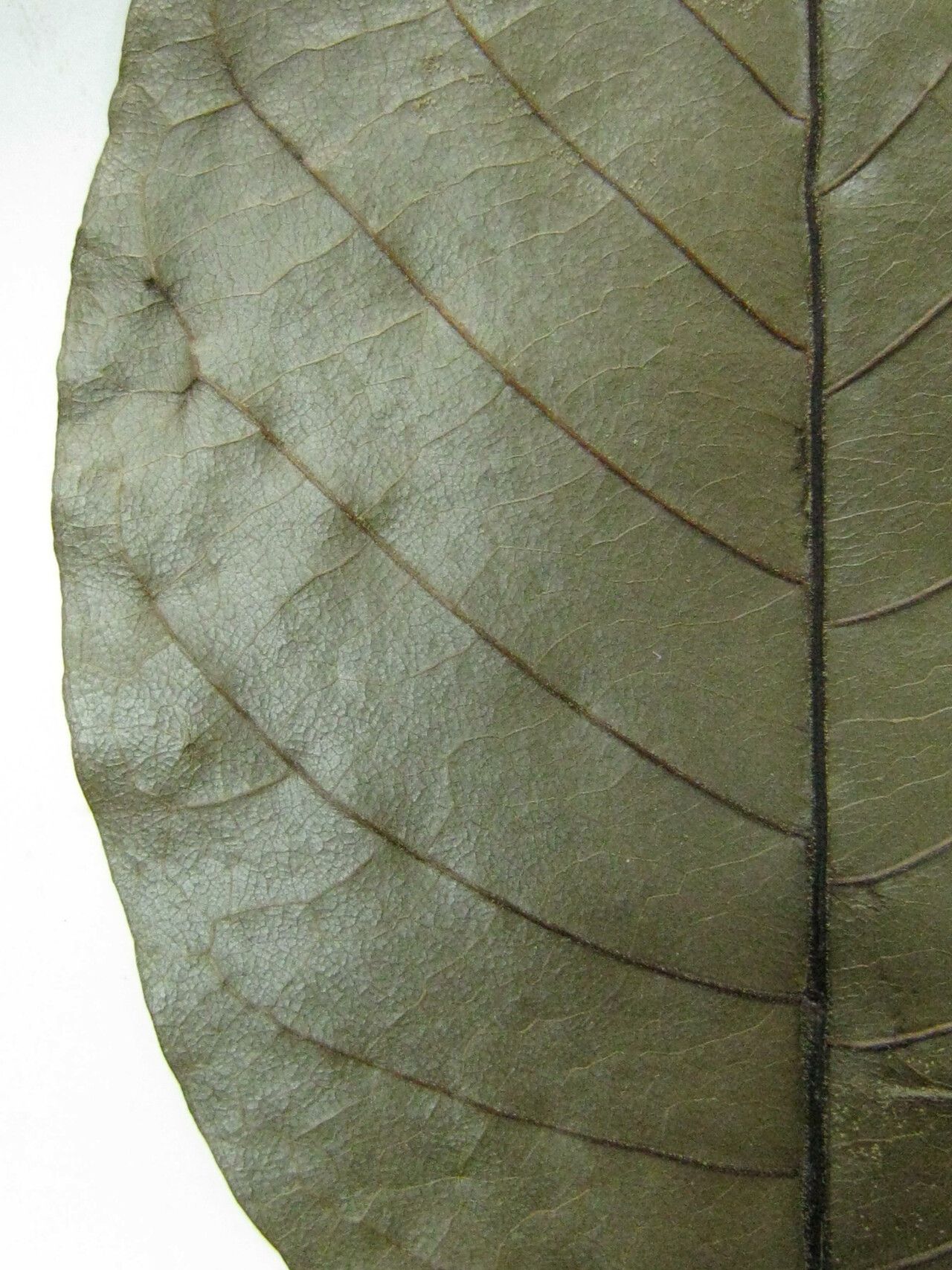
Hey there, fellow plant enthusiasts! I’m so excited to chat with you today about a plant that truly stole my heart years ago: Vitex compressa. If you’re not familiar with it, imagine delicate, silvery foliage that smells absolutely divine, often followed by spikes of lovely lavender-blue flowers. It’s a subtle beauty, and honestly, one of those plants that just makes your garden feel more serene.
One of the most rewarding things a gardener can do is bring new life into the world from existing plants. Propagating Vitex compressa is a fantastic way to expand your collection or share these gems with friends. And the best part? While it might seem a little daunting at first, I’ve found Vitex compressa to be surprisingly forgiving and quite beginner-friendly when it comes to propagation. You’ve got this!
The Best Time to Start
For the absolute best chance of success with Vitex compressa, I lean towards propagating in late spring or early summer. This is when the plant is actively growing and producing new, pliable stems. You’re looking for semi-hardwood cuttings – that means the stem is firm enough not to droop immediately but still has a bit of flexibility. Think of it as halfway between a brand-new, floppy shoot and a thick, woody branch from last year.
Supplies You’ll Need
Gathering your supplies beforehand makes the whole process run much smoother. Here’s what I always have on hand:
- Sharp Pruning Shears or a Craft Knife: Clean cuts are essential!
- Potting Mix: A well-draining mix is crucial. I like a blend of equal parts peat moss, perlite, and a high-quality potting soil. Some folks swear by a mix with more sand, which is also a good option for drainage.
- Small Pots or Seedling Trays: Clean containers are a must to prevent disease.
- Rooting Hormone: This isn’t strictly necessary for Vitex compressa, but it can significantly speed up the rooting process and increase success rates. I prefer a gel or powder.
- Plastic Bags or a Clear Dome: To create a humid environment.
- Watering Can with a Fine Rose: For gentle watering.
- Labels and a Pen: To keep track of what’s what and when you planted them!
Propagation Methods
My go-to method for Vitex compressa is stem cuttings. It’s reliable and generally yields great results.
Stem Cuttings:
- Take Your Cuttings: When you’ve identified those perfect semi-hardwood stems, use your clean pruning shears to take cuttings from the parent plant. Aim for pieces that are about 4-6 inches long. Remove the lower leaves – you only want one or two sets of leaves at the very top. This prevents them from rotting when buried in the soil.
- Prepare the Cuttings: If you’re using rooting hormone, this is the time. Dip the cut end of each stem into the rooting hormone, tapping off any excess.
- Plant the Cuttings: Fill your clean pots with your prepared potting mix. Make a small hole in the center of each pot with your finger or a pencil.
- Insert and Water: Gently insert the cut end of each Vitex compressa cutting into the hole, ensuring the rooting hormone remains intact. Firm the soil gently around the base of the stem to ensure good contact. Water thoroughly but gently so the soil is moist but not waterlogged.
- Create Humidity: This is key! Cover each pot with a clear plastic bag, securing it at the rim with a rubber band, or place the pots under a clear dome. This traps moisture and creates that humid greenhouse effect that cuttings love.
- Provide Light and Warmth: Place your cuttings in a spot that receives bright, indirect light. Avoid direct sun, which can scorch the tender leaves. A warm location is also beneficial.
The “Secret Sauce” (Pro Tips)
Here are a couple of things I’ve learned over the years that really make a difference with Vitex compressa cuttings:
- Bottom Heat is Your Friend: If you happen to have a heat mat designed for starting seeds and cuttings, use it! Vitex compressa cuttings absolutely love a little gentle warmth from below. It encourages root development like nothing else. Just place the pots on the mat and don’t let them dry out.
- Don’t Be Afraid to Experiment with Leaf Nodes: When taking cuttings, I often make my cuts just below a leaf node. This is the point where a leaf attaches to the stem, and it’s where a lot of root initiation happens. It’s these little powerhouses of growth that we’re trying to encourage!
Aftercare & Troubleshooting
Once your Vitex compressa cuttings have been planted, the waiting game begins! Check the moisture level regularly by feeling the soil. Keep the soil consistently moist, but not soggy. You’ll want to ventilate the plastic bags or domes every couple of days briefly to prevent mold growth.
You’ll know your cuttings are rooting when you see new leaves starting to emerge or feel a slight resistance when you gently tug on the stem. This usually takes anywhere from 4 to 8 weeks, sometimes a little longer depending on conditions.
The most common problem you might encounter is rot. This is usually a sign of too much moisture and not enough air circulation. If you see leaves turning yellow and mushy, or the stem looks dark and soft at the base, it’s likely rot. Unfortunately, there’s not much you can do at that point, so it’s best to discard the affected cuttings and start again, being sure to improve your watering and ventilation routine.
A Encouraging Closing
My dear gardeners, remember that propagation is a journey, not always a destination. Some cuttings will thrive, others might not. That’s part of the beauty of working with living things. Be patient, observe your plants, and enjoy the incredible satisfaction of watching new life unfurl. Happy propagating, and I can’t wait to hear about your Vitex compressa success stories!
Resource:
https://identify.plantnet.org/k-world-flora/species/Vitex%20compressa%20Turcz./data