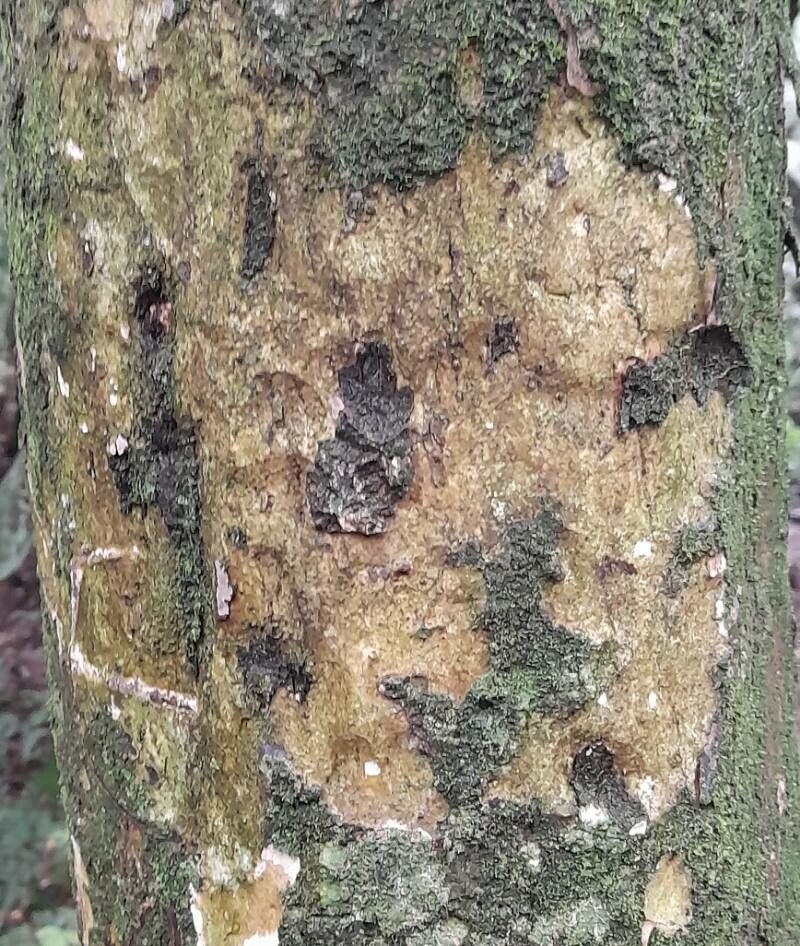
Oh, hello there! Let’s chat about one of my absolute favorite plants: Plinia rivularis. This little gem, sometimes called the Strawberry Guava or simply River Cherry, is just a delight. Its attractive foliage and the promise of delicious, small, reddish-purple fruits make it a real treasure in any garden, especially if you’re a tropical fruit enthusiast. Propagating it is incredibly rewarding, like giving the gift of a new life to this beautiful plant. Now, I’ll be honest, it’s not the absolute easiest plant for a complete beginner to propagate, but with a little care and attention, you’ll find it quite manageable. Think of it as a lovely challenge that yields something truly special.
The Best Time to Start
For Plinia rivularis, aiming for late spring to early summer is generally your sweet spot. This is when the plant is actively growing, often called the “active growth phase.” You’ll find that cuttings taken during this period have more vigor and a better chance of success. They’re full of energy, ready to send out roots and establish themselves.
Supplies You’ll Need
Here’s what you’ll want to have on hand to get started:
- Sharp Pruning Shears or a Knife: Clean cuts are essential.
- Rooting Hormone: A good quality rooting hormone will give your cuttings a significant boost. I prefer the powder form, but liquid works well too.
- Well-Draining Potting Mix: A blend of peat moss, perlite, and a bit of coarse sand is ideal. Aim for something that doesn’t retain too much moisture.
- Small Pots or Trays: Clean pots are key to preventing disease.
- Clear Plastic Bags or a Propagation Dome: This helps maintain humidity around your cuttings.
- Watering Can with a Fine Rose: Gentle watering is important.
- (Optional) Bottom Heat Mat: This can really speed up root development.
Propagation Methods
The most reliable way to propagate Plinia rivularis is through stem cuttings. Here’s how I like to do it:
- Select Your Cuttings: Look for healthy, non-flowering stems that are semi-hardwood. This means they’re not brand new and leafy (too soft), nor are they old and woody (too hard). A good test is if you can bend the stem slightly without it snapping. Aim for cuttings about 4-6 inches long.
- Prepare the Cuttings: Using your clean shears, make a clean cut just below a leaf node (the point where a leaf attaches to the stem). Gently remove the lower leaves, leaving just a couple of leaves at the top. If the remaining leaves are quite large, I often like to cut them in half horizontally. This reduces water loss through transpiration.
- Apply Rooting Hormone: Dip the cut end of each stem into your rooting hormone, making sure it’s coated evenly. Lightly tap off any excess.
- Plant Your Cuttings: Fill your clean pots with your well-draining potting mix. Make a small hole in the center of the mix with a pencil or your finger, and gently insert the base of the cutting. Firm the soil around the stem so it’s well-supported. You can plant several cuttings in one pot, leaving a little space between them.
- Water Gently: Water thoroughly until water drains from the bottom of the pot. Be careful not to disturb the cuttings.
The “Secret Sauce” (Pro Tips)
Here are a few things I’ve learned over the years that really make a difference:
- Don’t Let the Leaves Touch the Water: If you’re ever tempted to try water propagation (which can be trickier with Plinia), make sure absolutely no leaves are submerged. Rot sets in incredibly fast. With cuttings in soil, this just means ensuring your lower leaves are trimmed off.
- Bottom Heat is Your Friend: Plinia rivularis loves warmth, and a bottom heat mat can significantly speed up the rooting process. Even a few degrees of extra warmth at the soil level makes a world of difference.
- Patience with Humidity: After planting, I immediately cover the pots with a clear plastic bag or place them under a propagation dome. This creates a humid microclimate, which is crucial for preventing the cuttings from drying out before they can form roots. Make sure the leaves aren’t touching the plastic, as this can also lead to rot. You might need to prop up the plastic a bit.
Aftercare & Troubleshooting
Once your cuttings are planted, keep them in a brightly lit spot but out of direct, harsh sunlight. Mornings sun is usually fine, but midday sun can scorch delicate new growth. I check the soil moisture regularly. It should stay consistently moist but not waterlogged.
You’ll know your cuttings are rooting when you see new leaf growth or feel a gentle tug when you test the stem for resistance. This can take anywhere from 4 to 12 weeks, or even longer.
The most common issue you’ll face is rot. If you see your cuttings turning black and mushy, it’s usually a sign of too much moisture and not enough air circulation. Unfortunately, once rot sets in, it’s hard to save the cutting. Ensure your soil is airy and don’t overwater. If you find the soil is staying too wet, you might need to repot into a drier mix.
A Encouraging Closing
Propagating Plinia rivularis is such a rewarding journey. It’s all about observing, providing the right conditions, and having faith in the process. Don’t be discouraged if your first few attempts aren’t perfect. Every gardener has their share of failed cuttings! Just keep trying, learn from each experience, and enjoy the miracle of new life unfolding in your hands. Happy propagating!
Resource:
https://identify.plantnet.org/k-world-flora/species/Plinia%20rivularis%20(Cambess.)%20Rotman/data