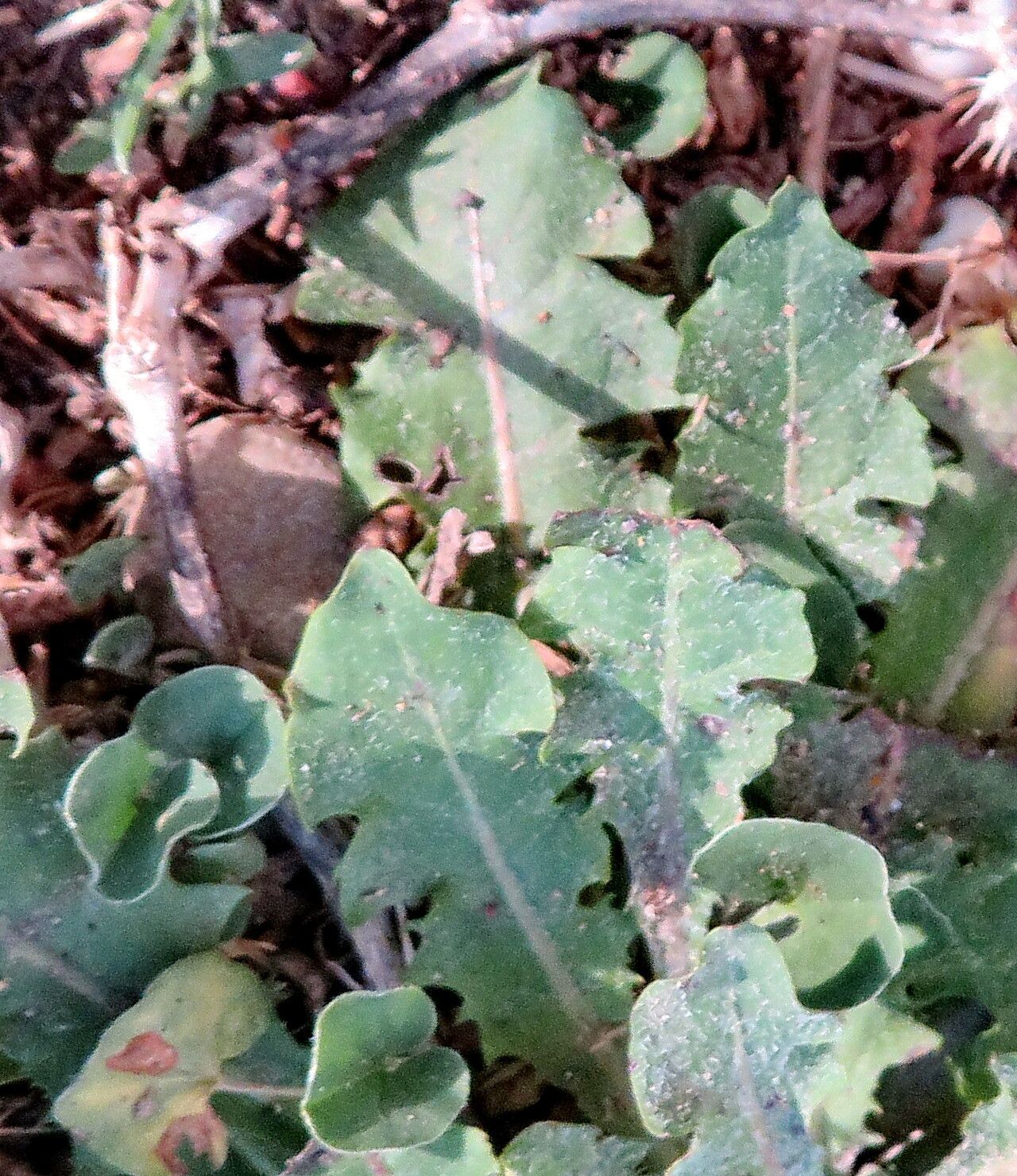
Well hello there, fellow garden enthusiasts! It’s so lovely to connect with you today. I’m thrilled to talk about a plant that often gets overlooked but holds a special place in my heart – Taraxacum mongolicum. You might know it better by its common name, the Mongolian Dandelion. Isn’t that a charming thought?
Now, I know what some of you might be thinking. Dandelions? Really? But trust me, Taraxacum mongolicum is a truly delightful specimen, with its vibrant yellow blooms that bring such cheer. And the best part? Propagating it is a journey that’s surprisingly accessible, even for those just dipping their toes into the world of plant propagation. I’d say it’s a wonderfully beginner-friendly plant to experiment with!
The Best Time to Start
Timing is everything, as they say, and for Taraxacum mongolicum, early spring is your golden ticket. This is when the plant is bursting with new energy after the winter rest. You’re looking for actively growing plants, ideally before they’ve put all their energy into producing a huge head of fluffy seeds. Think of it as catching them at their peak vitality.
Supplies You’ll Need
You don’t need a fancy greenhouse for this. Here’s what I usually gather:
- Clean potting mix: A light, well-draining blend is key. I often use a mix of peat moss, perlite, and a bit of compost.
- Sharp pruning shears or a clean knife: For making precise cuts.
- Small pots or seed trays: Choose something with drainage holes!
- Watering can with a fine rose: For gentle watering.
- Rooting hormone (optional but helpful): Especially if you’re a beginner.
- A sunny windowsill or protected outdoor spot: Where the new babies can get good light.
Propagation Methods
Taraxacum mongolicum is quite forgiving, and happily, a few methods work beautifully.
Seed Starting (The Classic)
This is often the most straightforward.
- Harvest the seeds: Wait until the dandelion flowers have gone to seed and are fluffy and white.
- Collect them carefully: Gently pluck the seed heads. You can either let them dry for a few days and then tap out the seeds, or plant the whole fluffy head directly into your soil mix.
- Sow shallowly: Press the seeds or seed heads gently into the surface of your moist potting mix. Don’t bury them too deep – they need light to germinate.
- Keep moist and warm: Cover your pots or trays with a clear lid or plastic wrap to create a mini-greenhouse effect. Place them in a bright spot, but out of direct, harsh sunlight. Keep the soil consistently moist but not waterlogged.
- Patience is a virtue: You should see tiny green shoots emerge within a week or two.
Division (For Established Plants)
If you have a mature, healthy Taraxacum mongolicum plant, dividing its root system can be very rewarding.
- Gently unearth the plant: In early spring, carefully dig around the base of the established plant. Try to lift the entire root ball out of the ground.
- Inspect the roots: You’ll see the main taproot and likely some lateral roots. Look for natural divisions where you can see distinct crowns (where leaves emerge).
- Divide with care: Using your hands or a clean trowel, gently pull or cut the root ball apart into smaller sections. Each section should have at least one good root and a piece of the crown.
- Pot them up: Plant each division into its own pot filled with your well-draining potting mix, burying the crown just at soil level.
- Water well: Water each pot thoroughly to settle the soil around the roots.
The “Secret Sauce” (Pro Tips)
Over the years, I’ve learned a few tricks that seem to make all the difference.
- Don’t let the leaves touch the water (when starting from seed): If you’re planting whole seed heads or sowing seeds on the surface, avoid letting the little emerging leaves sit in water. This is a prime spot for fungal issues, which can quickly take down a seedling. A gentle misting is often better than a heavy pour once they’ve germinated.
- Bottom heat is your friend: For seed starting, placing your pots on a heated propagator mat can significantly speed up germination. It mimics the warmth of spring soil beautifully and gives those little seeds a real boost.
- Handle those roots with respect: When dividing, try to be as gentle as possible with the roots. They are the lifeblood of your new plant, and bruised or broken roots can set them back considerably.
Aftercare & Troubleshooting
Once your little Taraxacum mongolicum sprouts appear or your divisions have been potted up, the real fun begins!
- Light: Keep them in bright, indirect light. As they grow stronger, you can gradually introduce them to more direct sunlight.
- Watering: Water when the top inch of soil feels dry. It’s a delicate balance – too much water can lead to root rot, the most common problem you’ll face. You’ll notice yellowing leaves, a mushy stem base, or even foul smells if rot sets in. If this happens, stop watering immediately, allow the soil to dry out, and consider repotting in fresh, dry soil if the situation is dire.
- Hardening off: Before planting your new babies outdoors permanently, it’s crucial to harden them off. This means gradually exposing them to outdoor conditions over a week or two, starting with a few hours in a sheltered spot and slowly increasing their exposure. This process prevents shock and ensures they thrive in their new environment.
A Little Seed of Hope
Propagating Taraxacum mongolicum is a simple joy. It’s a chance to connect with a resilient and cheerful plant, and to fill your garden (or your windowsill!) with more of its sunny disposition. Be patient, enjoy the process of watching new life emerge, and remember that every gardener, myself included, learns with every seed they sow. Happy propagating!
Resource:
https://identify.plantnet.org/k-world-flora/species/Taraxacum%20mongolicum%20Hand.-Mazz./data